





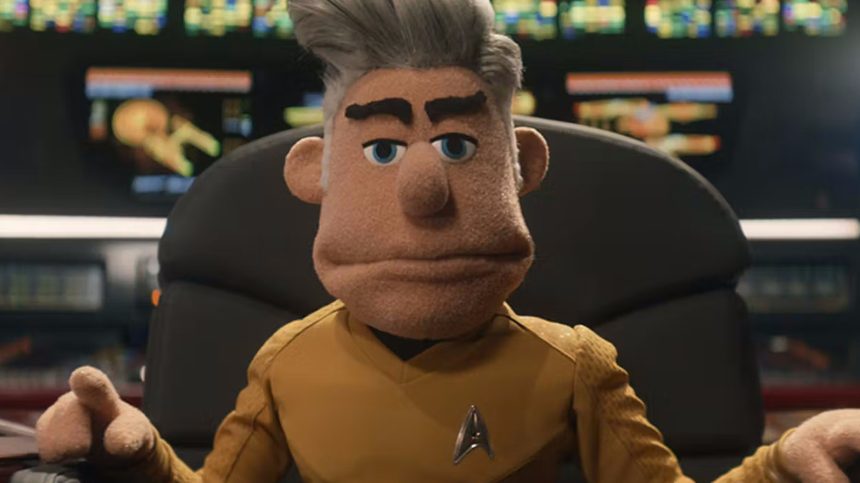
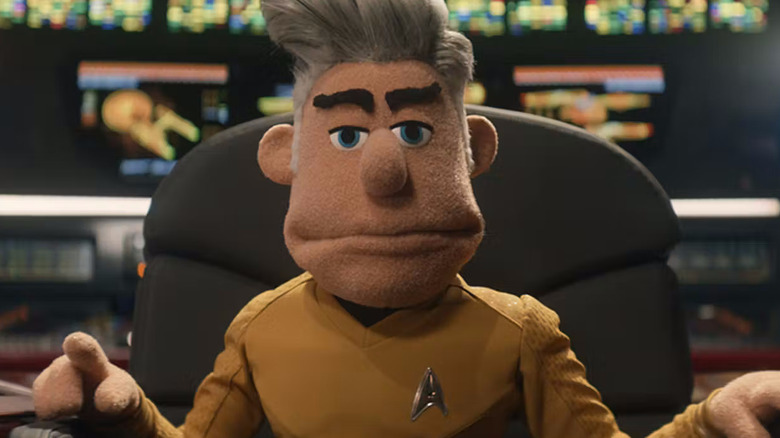
Note: The following analysis contains major plot spoilers for “Star Trek: Strange New Worlds” Season 4, Episode 5, titled “A Level 5 Transporter Accident.”
Beyond the Stoner Comedy: When Star Trek Goes Full Muppet
Just when audiences assumed the creative team behind Star Trek: Strange New Worlds had reached the peak of absurdity with their “The Hangover”-inspired antics in the third episode of Season 4, the showrunners decided to pivot toward something even more surreal. While the franchise is known for its high-concept science fiction, the latest installment leans heavily into the bizarre, proving that the series is willing to experiment with tone in ways that defy traditional genre boundaries.
The Transporter Malfunction That Changed Everything
The narrative catalyst for this chaotic episode involves Montgomery “Scotty” Scott (portrayed by Martin Quinn). In an attempt to push the boundaries of long-range beaming technology, Scotty initiates a high-stakes experiment. To mitigate the risk to human life, he opts to transport a sentimental relic from his youth: a puppet affectionately dubbed “Little Ricky.”
Predictably, the experiment goes awry. The resulting energy surge ripples through the U.S.S. Enterprise, physically transmuting the entire crew into felt-based, Jim Henson-style puppets. The only exception is Spock (Ethan Peck), who narrowly avoids the transformation due to his presence in a shuttlecraft away from the ship at the moment of the incident. This leaves the Vulcan officer in the unenviable position of managing the entire starship solo, a task made exponentially more difficult by the fact that his crewmates are now physically incapable of operating standard consoles with their new, handless forms.
High Stakes, Low Mobility
The episode’s tension escalates rapidly when a group of Orion pirates intercepts the Enterprise. The juxtaposition of a classic, high-stakes space battle against the backdrop of a crew struggling to navigate their environment as puppets creates a unique, if polarizing, viewing experience. While the episode succeeds as a bold stylistic departure-reminiscent of the experimental spirit seen in 1960s television-the resolution leaves much to be desired. By prioritizing visual gags over a cohesive narrative payoff, the episode ultimately undermines its own premise, leaving fans to wonder if the “puppet gimmick” was worth the narrative sacrifice.