



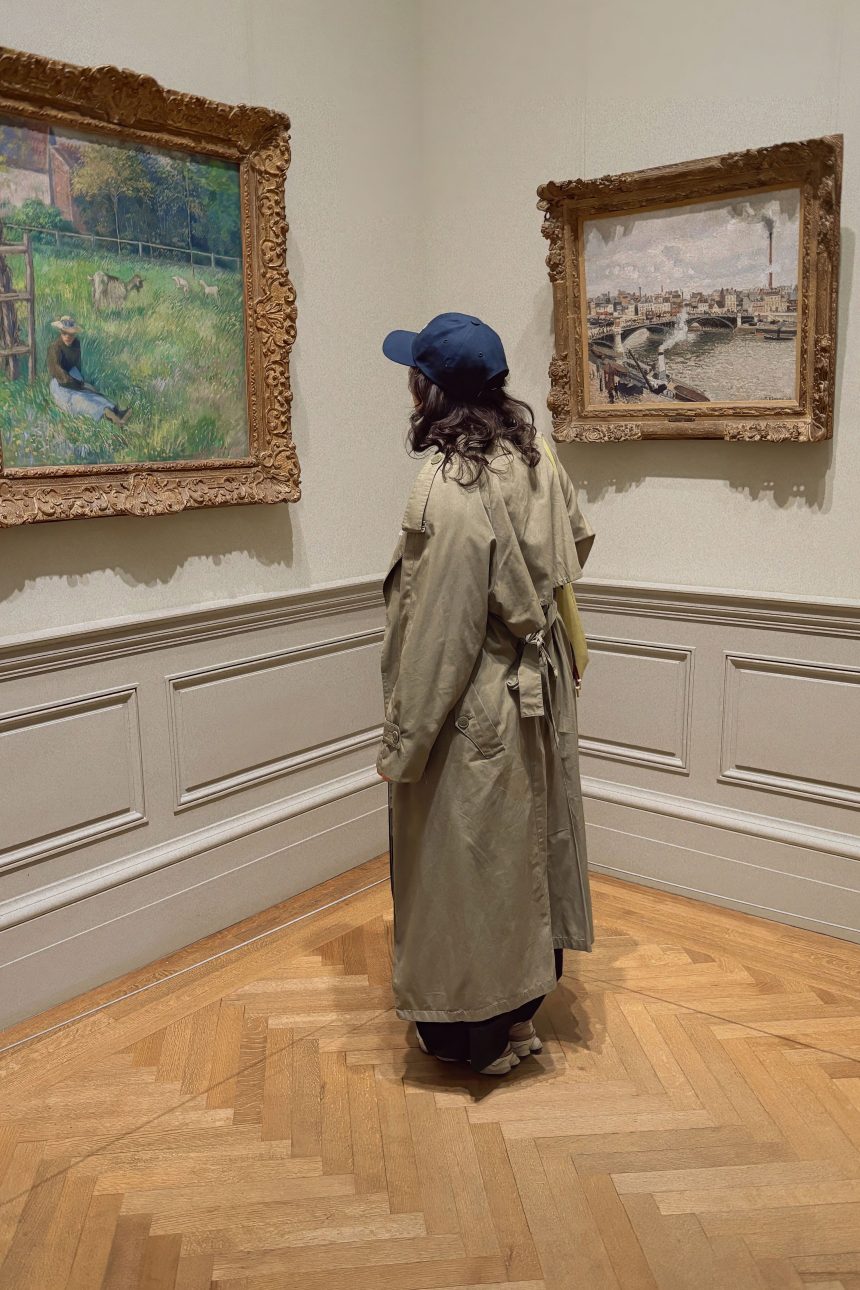
The Shift from Brand-Led Culture to Cultural Patronage
For decades, corporations have aggressively attempted to manufacture cultural relevance, often forcing their way into the zeitgeist with heavy-handed marketing campaigns. However, modern consumers have developed a sophisticated radar for inauthentic “branded content.” As audiences grow increasingly weary of overt sales pitches disguised as entertainment, forward-thinking companies are pivoting. Rather than attempting to dictate culture from the top down, these brands are evolving into patrons, providing the financial infrastructure and resources that allow independent creators to flourish.
A Legacy of Cultural Stewardship
The concept of brands as cultural architects is not entirely new; it is a return to a more collaborative model of the past. Historically, some of the most iconic cultural institutions were born from corporate sponsorship:
* The Birth of the Soap Opera: Procter & Gamble’s deep involvement in radio dramas like Ma Perkins was so foundational that the term “soap opera” became permanently etched into the cultural lexicon.
* Musical Institutions: The Grand Ole Opry, now a pillar of American country music, began its life as a humble radio broadcast backed by an insurance firm.
* Global Sporting Events: The Tour de France was originally conceived by the newspaper L’Équipe as a promotional tool, eventually evolving into the world’s premier cycling event.
* Culinary Authority: The Michelin Guide, which remains the gold standard for fine dining, was originally a clever marketing ploy by a tire manufacturer to encourage more road travel.
The New Era: Empowering the Creator Economy
While these historical examples were successful, the modern approach is fundamentally different. Today’s brands are moving away from rigid, contract-heavy deliverables and the stifling bureaucracy of endless approval rounds. Instead, they are adopting a “patronage model.”
This shift is driven by the realization that authentic culture is best cultivated by individuals, not corporate committees. By providing capital, technical access, and professional resources without demanding total creative control, brands are fostering a more sustainable ecosystem for artists, writers, and innovators.
Platforms as Modern-Day Patrons
The rise of the creator economy has accelerated this transition. Platforms like Substack have revolutionized the relationship between creators and their audiences by prioritizing direct subscription models over traditional advertising. By removing the middleman, these platforms allow creators to maintain their creative integrity while building a loyal, paying community.
According to recent data, the creator economy is now valued at over $250 billion, with projections suggesting it could reach $480 billion by 2027. This massive growth underscores a clear trend: audiences are willing to pay for high-quality, independent content, and brands that facilitate this-rather than interrupting it-are the ones that will secure long-term relevance.