





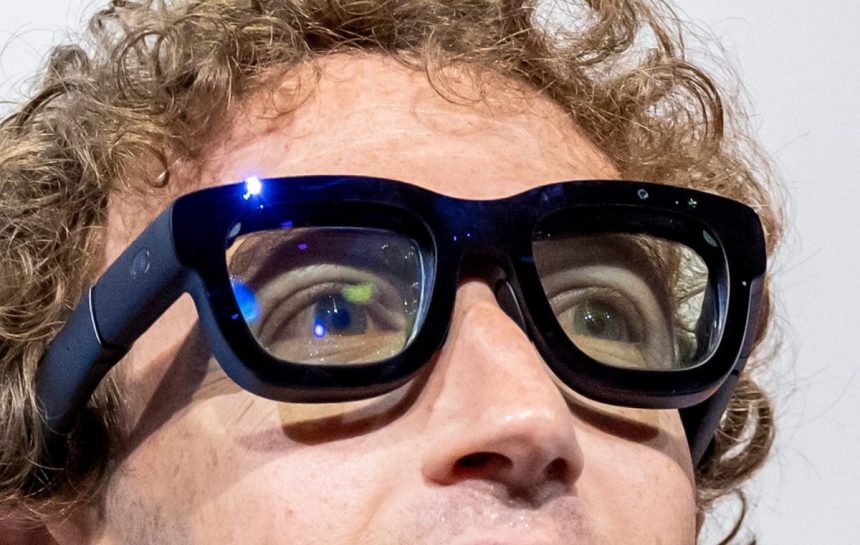
Meta Pivots Strategy: Developing Camera-Free “Luna” Smart Glasses
Published: September 16, 2026
Image Credits: David Paul Morris / Bloomberg
While Meta’s current generation of smart glasses has achieved a level of market penetration that competitors have struggled to match, the hardware has not been without controversy. The integrated cameras have sparked significant backlash, with critics labeling the devices as intrusive tools that normalize constant surveillance. In response to growing public discomfort-and the derogatory “pervert glasses” moniker that has plagued the product line-Meta is reportedly shifting its hardware strategy.
Introducing Project Luna: AI Without the Lens
According to recent reports from The Information, Meta is actively working on a new iteration of its wearable technology, internally codenamed “Luna.” The defining feature of this upcoming model is the complete removal of the camera system. By stripping away the optics, Meta aims to address privacy concerns while maintaining the utility of its wearable AI ecosystem.
Instead of visual capture, the Luna glasses will focus on auditory interaction. The device is expected to feature:
* Advanced Audio Array: Six integrated microphones designed to capture voice commands with high precision.
* Tactile AI Activation: A dedicated physical button located on the frame, allowing users to trigger the AI assistant instantly without needing a wake word.
* Seamless AI Integration: The glasses are built to serve as a direct interface for Meta’s AI chatbot and its “Muse” consumer agent, providing a hands-free way to access information and digital services.
A Strategic Shift in the Wearable Market
The smart glasses sector has seen a significant surge in adoption recently. According to industry data from IDC, the global smart eyewear market is projected to grow at a compound annual growth rate (CAGR) of over 15% through 2028, as consumers increasingly look for alternatives to smartphone-tethered experiences.
By offering a camera-free version, Meta is likely attempting to capture a segment of the market that values the convenience of AI-assisted living but remains wary of the social and ethical implications of recording devices in public spaces. This move could help Meta normalize the presence of smart glasses in professional and social settings where cameras are often prohibited or viewed with suspicion.
What’s Next?
Industry observers anticipate that Meta may provide a formal look at the Luna project during the upcoming Meta Connect event. The annual developer and hardware conference, held at the company’s Menlo Park headquarters, is expected to be the stage for this potential pivot.
As the line between personal technology and public privacy continues to blur, Meta’s decision to decouple AI functionality from camera hardware marks a significant evolution in how tech giants approach consumer trust.