





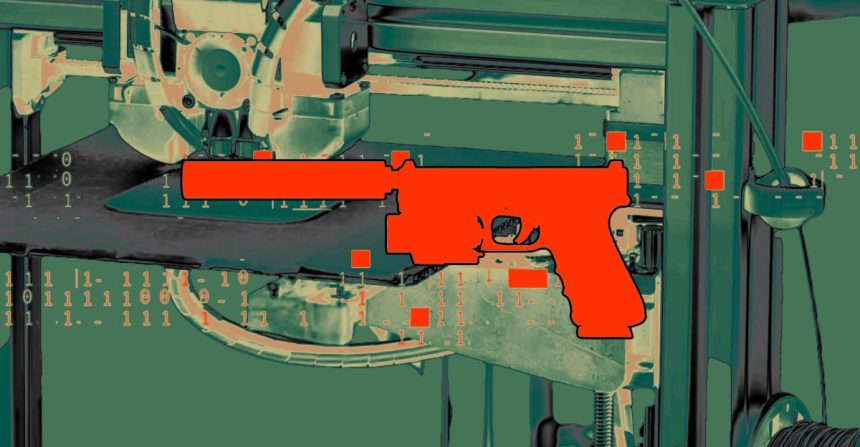
The Digital Arms Race: Circumventing 3D-Printed Firearm Restrictions
The ongoing tension between legislative bodies and proponents of open-source manufacturing has reached a new flashpoint. Cody Wilson, the controversial figure behind the debut of the first functional 3D-printed firearm, has unveiled a new method designed to bypass government-enforced software filters. These filters are intended to prevent 3D printers from processing files related to weapon manufacturing, marking a significant escalation in the struggle between regulators attempting to curb the proliferation of “ghost guns” and tech-savvy individuals determined to maintain unrestricted access to digital designs.
The “Hochulization” Counter-Measure
Wilson has dubbed this new circumvention tool “Hochulization.” The name serves as a pointed critique of New York Governor Kathy Hochul, who recently championed the first state-level mandate requiring gun-file detection software to be pre-installed on all new 3D printers sold within the state.
From Wilson’s perspective, operating out of his Austin, Texas headquarters, this legislative move represents an overreach into the digital commons. He characterizes the development of his bypass tool as a form of “self-defense,” arguing that the state is attempting to exert control over the fundamental nature of open-source additive manufacturing.
Disrupting Hash-Based Censorship
The core of the current regulatory strategy relies on digital fingerprinting. By assigning a unique hash-a mathematical identifier-to specific CAD files associated with firearms, authorities hope to force printer firmware to recognize and reject these designs automatically.
Wilson’s organization, Defense Distributed, manages DEFCAD, which currently serves as the most extensive repository for 3D-printed firearm schematics globally. With a library exceeding 200,000 files-ranging from complete firearm frames to individual components like suppressors-the platform has become the primary target for these detection mandates. By developing a way to neutralize the software intended to scan for these hashes, Wilson aims to render the state’s regulatory infrastructure ineffective, ensuring that the creator of the world’s first 3D-printed gun remains at the forefront of this technological defiance.
As the industry evolves, the effectiveness of these software blocks remains a subject of intense debate. While regulators view these mandates as a necessary safety measure to prevent the spread of untraceable 3D-printed weapons, critics argue that such restrictions are easily bypassed by open-source communities, creating a perpetual cycle of digital cat-and-mouse.