





Revitalizing Your Lawn: A Post-Summer Recovery Strategy
Following a season defined by record-breaking heatwaves, countless British landscapes are currently struggling to recover from prolonged exposure to intense solar radiation. While the current forecast suggests a damp Bank Holiday weekend, the aesthetic and structural toll on our outdoor spaces is undeniable.
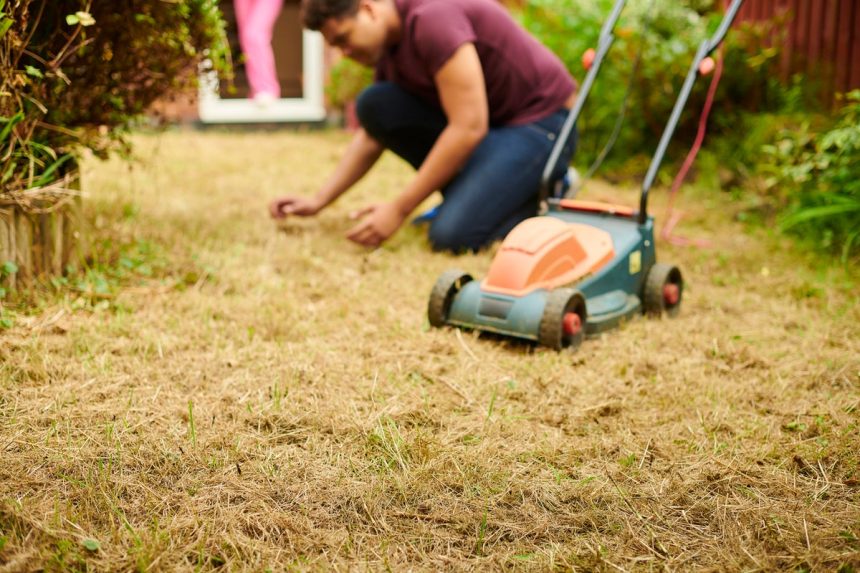
For many homeowners, the primary concern lies with their lawns. The combination of high temperatures and heavy foot traffic has left many patches of turf looking brittle, thatched, or completely barren. Recent horticultural data suggests that nearly 60% of residential lawns suffer from significant dehydration stress after a typical UK summer, making proactive intervention essential before the first frost arrives.
Why Autumn is the Prime Window for Turf Restoration
According to Tom Rowley, a former head groundskeeper at Leicester City FC and a prominent expert with the Grounds Management Association, the transition into autumn provides the perfect environmental conditions for grass recovery. Much like the high-intensity maintenance required for professional sports pitches, domestic lawns benefit immensely from a structured recovery plan during the shoulder months.
“Think of September and October as the ‘golden window’ for lawn health,” Rowley explains. “The soil retains the residual warmth from the summer months, yet the increased rainfall and cooler air temperatures create an ideal climate for root development. Grass is biologically programmed to surge in growth during this period, making it the most effective time to repair damage before the dormant winter phase.”
A Professional Approach to Lawn Rehabilitation
To restore your garden to its former glory, Rowley recommends a systematic approach that mimics the techniques used by professional stadium curators. By addressing soil compaction and nutrient depletion now, you ensure that your lawn is resilient enough to withstand the harsh winter months ahead.
1.