




Beyond the Digital Norm: Why Laika’s “Wildwood” Breaks the Mold
While Pixar and DreamWorks often dominate the conversation regarding the evolution of modern animation, the true artisans of the medium reside within the walls of Laika. This studio has carved out a distinct niche by championing the painstaking, tactile art of stop-motion. With a filmography that includes the hauntingly beautiful Coraline, the socially conscious ParaNorman, and the visually breathtaking Kubo and the Two Strings, Laika has proven that physical craftsmanship can rival any digital render.
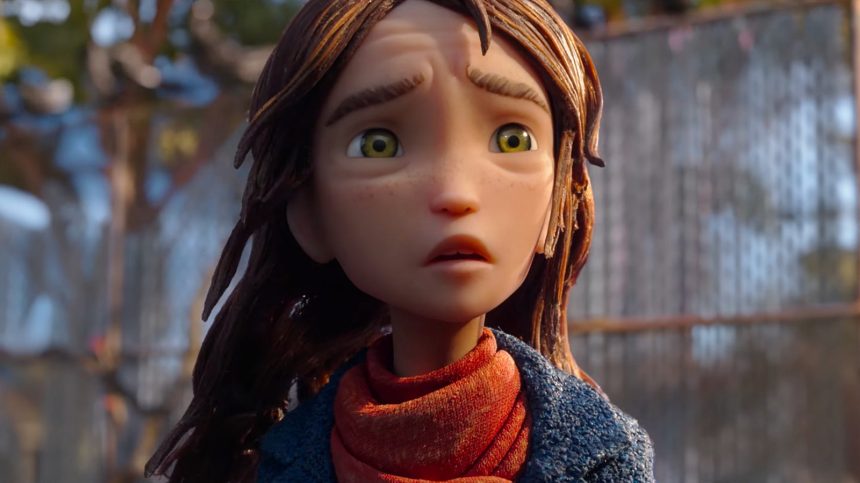
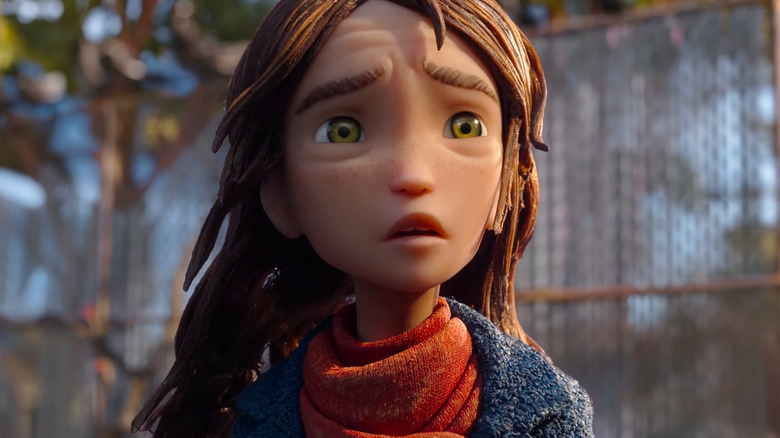
Following a hiatus that has stretched since the 2019 release of Missing Link, the studio is preparing to re-enter the spotlight. Their latest project, the upcoming (and wildly ambitious) “Wildwood”, is poised to be their most significant undertaking to date. Industry analysts suggest that this production will diverge sharply from the standard tropes found in contemporary American animation, signaling a bold shift in both scale and narrative tone.
A Return to Hand-Crafted Storytelling
The anticipation surrounding this project is palpable, largely due to the leadership of director and Laika CEO Travis Knight. Knight has consistently pushed the boundaries of what stop-motion can achieve, and early glimpses of the film-buoyed by its visually dazzling trailers-suggest a return to the darker, more atmospheric storytelling that first put the studio on the map.
In an era where the global animation market is projected to reach over $600 billion by 2030, most major studios are leaning heavily into hyper-realistic CGI. Laika, conversely, is doubling down on the “human touch.” By utilizing thousands of hand-sculpted puppets and intricate, physical sets, Wildwood promises a level of texture and depth that digital-only films often struggle to replicate. This commitment to tangible artistry serves as a stark reminder that in a world of pixels, the weight of a physical object still carries a unique emotional resonance for audiences.