




The Femtech Revolution: Breaking the Silence Around Menopause
Every year, approximately 1.3 million women in the United States navigate the transition into menopause. Despite the sheer scale of this demographic, the biological shift has historically been shrouded in social stigma and neglected by clinical research. However, a burgeoning wave of “femtech”-technology specifically designed for female health-is finally shifting the narrative, transforming how we monitor and manage this life stage.
Mainstream Tech Embraces Hormonal Health
The integration of menopause-focused tools into everyday consumer technology marks a significant turning point. In a major move this past June, Apple updated its Health app to include dedicated tracking for perimenopause and menopause. This allows users to log symptoms during the transitional phase leading up to the permanent cessation of menstruation, providing a clearer picture of their hormonal health.
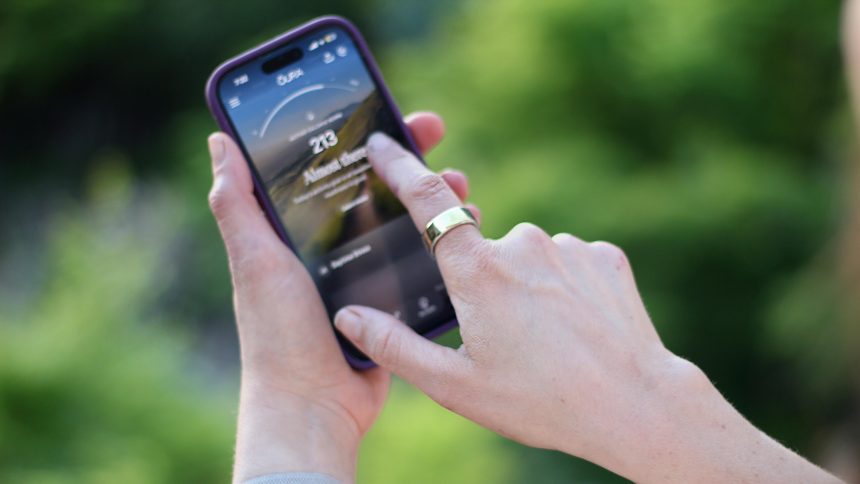
Similarly, the wearable tech sector is pivoting toward more nuanced health metrics. Earlier this year, Oura introduced its Menopause Impact Scale (MIS). This digital assessment tool functions as a self-reported questionnaire, designed to quantify exactly how specific symptoms-such as sleep disturbances, mood fluctuations, or hot flashes-interfere with a user’s daily well-being.
Expanding the Reach of Symptom Tracking
The utility of these tools is moving beyond simple personal data collection. Oura, the company behind the popular Oura Ring, recently confirmed that its MIS framework is evolving. By transitioning from a standalone app feature to a broader integration within the wider healthcare and technology ecosystem, the company aims to bridge the gap between personal symptom tracking and professional medical care.
As these digital tools become more sophisticated, they provide women with the data-backed insights necessary to advocate for themselves in clinical settings. By turning subjective experiences into measurable data, femtech is not just tracking a biological process; it is validating the lived experiences of millions, effectively dismantling the long-standing taboo surrounding menopause.