





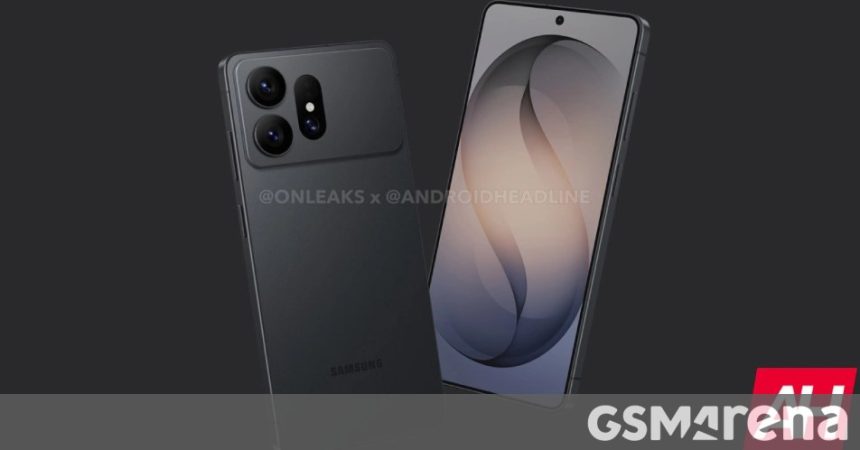
A Strategic Pivot: Samsung Reintroduces Exynos to the Galaxy S27 Ultra Lineup
In a surprising eleventh-hour shift, Samsung appears to be recalibrating its hardware strategy for the upcoming Galaxy S27 Ultra. While industry observers previously assumed the flagship would exclusively feature the Snapdragon 8 Elite Gen 6 chipset globally, fresh reports suggest a return to a dual-sourcing model.
The Resurgence of In-House Silicon
The catalyst for this sudden change in direction stems from promising internal performance data. According to recent leaks, the Exynos 2700 has demonstrated competitive capabilities that have caught the attention of Samsung’s leadership. This development has prompted the company to pivot, integrating its proprietary silicon back into its most premium handset.
For context, the last time the “Ultra” tier of the S-series utilized an Exynos processor was with the Galaxy S22 Ultra in 2022. Since then, Samsung had moved toward a unified Snapdragon approach for its top-tier devices to ensure consistent performance across all global markets.
Regional Distribution and Supply Chain Adjustments
Reports originating from the Korean outlet MoneyToday indicate that the Samsung MX (Mobile Experience) and LSI divisions have been working in tandem to finalize an Exynos-compatible motherboard. This logistical shift is designed to guarantee a stable supply chain for the new flagship.
If these reports hold true, the Galaxy S27 Ultra will likely mirror the regional segmentation seen in the standard S27 models:
* North American Markets: Expected to retain the Snapdragon 8 Elite Gen 6 architecture.
* European and Korean Markets: Likely to receive the Exynos 2700-powered variants.
Why the Sudden Change?
Industry analysts note that it is highly irregular for a manufacturer to introduce a secondary chipset architecture so late in the development cycle, especially when the Snapdragon-based design was already nearing completion. This move suggests that the encouraging internal benchmarks for the Exynos 2700 were significant enough to justify the added complexity of managing two distinct hardware configurations for a single flagship model.
By diversifying its chipset supply, Samsung may be looking to reduce its reliance on external partners while simultaneously optimizing costs and leveraging its own semiconductor manufacturing advancements. Whether this will impact the end-user experience remains to be seen, but it marks a bold return to the company’s historical strategy of regional chipset differentiation.