




Terrence O’Brien, a veteran tech journalist with nearly two decades of experience covering the industry and a deep personal passion for synthesizers, serves as the weekend editor for The Verge.
The Unexpected Renaissance of Compact Discs
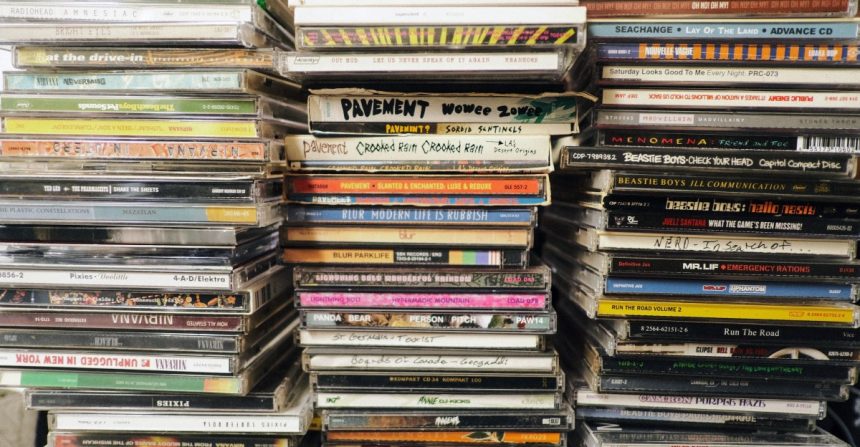
The landscape of physical music media is undergoing a dramatic transformation. Data recently published by the Recording Industry Association of America (RIAA) reveals that CD sales exploded during the initial half of 2026, marking a sharp reversal of previous trends. During this six-month window, consumers purchased 17.5 million units, a significant climb from the 12 million units moved during the same timeframe in 2025. This represents a robust 45.7 percent increase in volume, translating to a 58.6 percent surge in revenue, which hit $171.1 million. This growth is particularly noteworthy when contrasted with the previous year, where CD sales actually shrank by 22 percent between 2024 and 2025.
Drivers Behind the Physical Media Comeback
The RIAA’s findings are corroborated by independent market analysis. A report released in July by Luminate confirmed a similar upward trajectory, tracking 16.3 million units sold in the first half of 2026. Analysts point to a shift in consumer behavior, particularly among younger demographics. Much of this momentum is fueled by high-demand special editions from global K-Pop sensations, such as BTS. For many Gen Z and millennial fans, these discs function less as audio playback devices and more as tangible artifacts of fandom; in fact, industry surveys suggest that roughly 50 percent of these purchasers do not even possess a functional CD player.
Beyond the CD: The Broader Physical Market
While the CD is enjoying a surprising second act, it is not the only format experiencing a revival. The broader market for physical media continues to show resilience, with vinyl records maintaining their steady climb in popularity as collectors seek out the tactile experience of analog sound in an increasingly digital world.