




## St. Paul’s Cathedral and fabric Collaboration Sparks Controversy Among Nelson’s Descendants
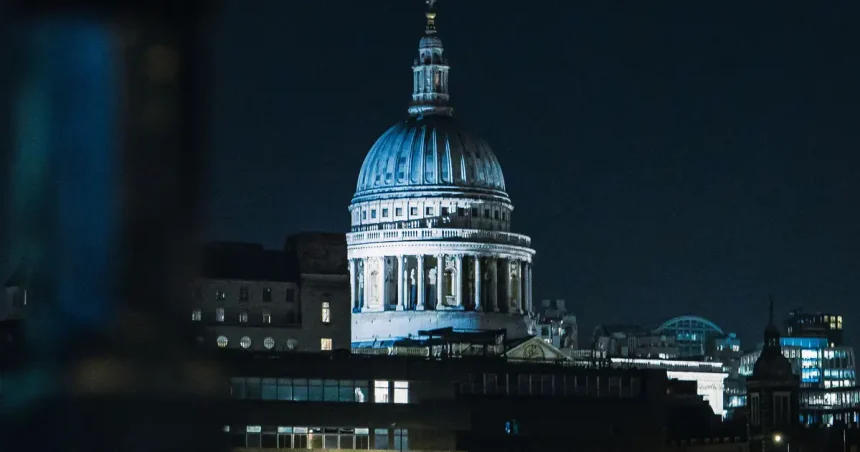
A fresh partnership between the iconic St. Paul’s Cathedral and the renowned London nightclub fabric has ignited a heated debate regarding the preservation of historical dignity. The collaboration, which aims to bridge the gap between modern electronic music culture and one of the UK’s most significant architectural landmarks, has drawn sharp criticism from the family of Vice-Admiral Lord Horatio Nelson.
### A Clash of Cultures: Modern Beats in a Historic Setting
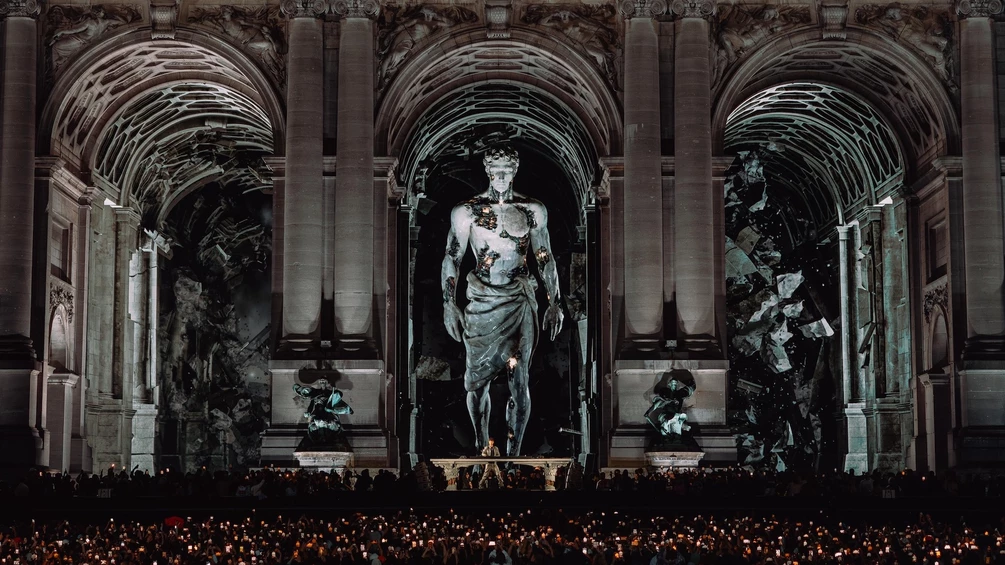
The initiative, officially announced on September 1, outlines a four-year program of curated events designed to investigate the intersection of contemporary soundscapes and the cathedral’s storied environment. Scheduled to launch this October, the series will utilize the cathedral’s main nave as a performance space. This approach mirrors previous successful artistic residencies at the site, such as the atmospheric performances by Patti Smith and RY X, which utilized the cathedral’s unique acoustics to create immersive experiences.
For more details on the upcoming schedule, you can read about the fabric announces four-year event series at St Paul’s Cathedral.
### Ancestral Objections: “Dancing on a Grave”
The decision to invite a nightlife institution into a space of national mourning has not been met with universal approval. Peregrine Hood, a direct descendant of Lord Nelson’s brother and the current president of the Nelson Society, voiced his strong disapproval in a recent interview with The Telegraph.
Hood characterized the collaboration as a profound “insult” to the legacy of the British naval hero. He drew a provocative parallel, suggesting that hosting nightclub-affiliated events within the cathedral grounds is metaphorically equivalent to “dancing on Nelson’s grave.” Lord Nelson’s final resting place is situated within the Nelson chamber, located deep in the cathedral’s crypts.
### Contextualizing the Venue Usage
While the criticism centers on the sanctity of the site, it is important to note the logistical reality of the partnership. The events organized by the Farringdon-based club are slated for the cathedral’s primary worship and event spaces, rather than the crypts where historical figures are interred.
St. Paul’s Cathedral has long managed its financial sustainability by hiring out its 250-capacity event spaces for various functions. However, this specific events partnership between St Paul’s Cathedral and fabric highlights the ongoing tension between modern commercial necessity and the preservation of national heritage. As the cathedral prepares for the events which will begin in October, the public remains divided on whether such venues should evolve to remain relevant or remain strictly reserved for traditional purposes.