


Warner Bros.
We may receive a commission on purchases made from links.
Deconstructing the Myth: Why Revisionist Westerns Matter
For generations, the Western served as the bedrock of American mythology. These narratives painted a romanticized portrait of the frontier, characterized by black-and-white morality and the inevitable triumph of civilization over the wilderness. In these traditional tales, the lone gunslinger was a paragon of virtue, and the sunset ride-off signaled that order had been restored to a chaotic land. Whether it was the stoic lawman or the noble drifter, these archetypes defined the national identity for decades.
Beyond the Black Hat: The Shift Toward Gritty Realism
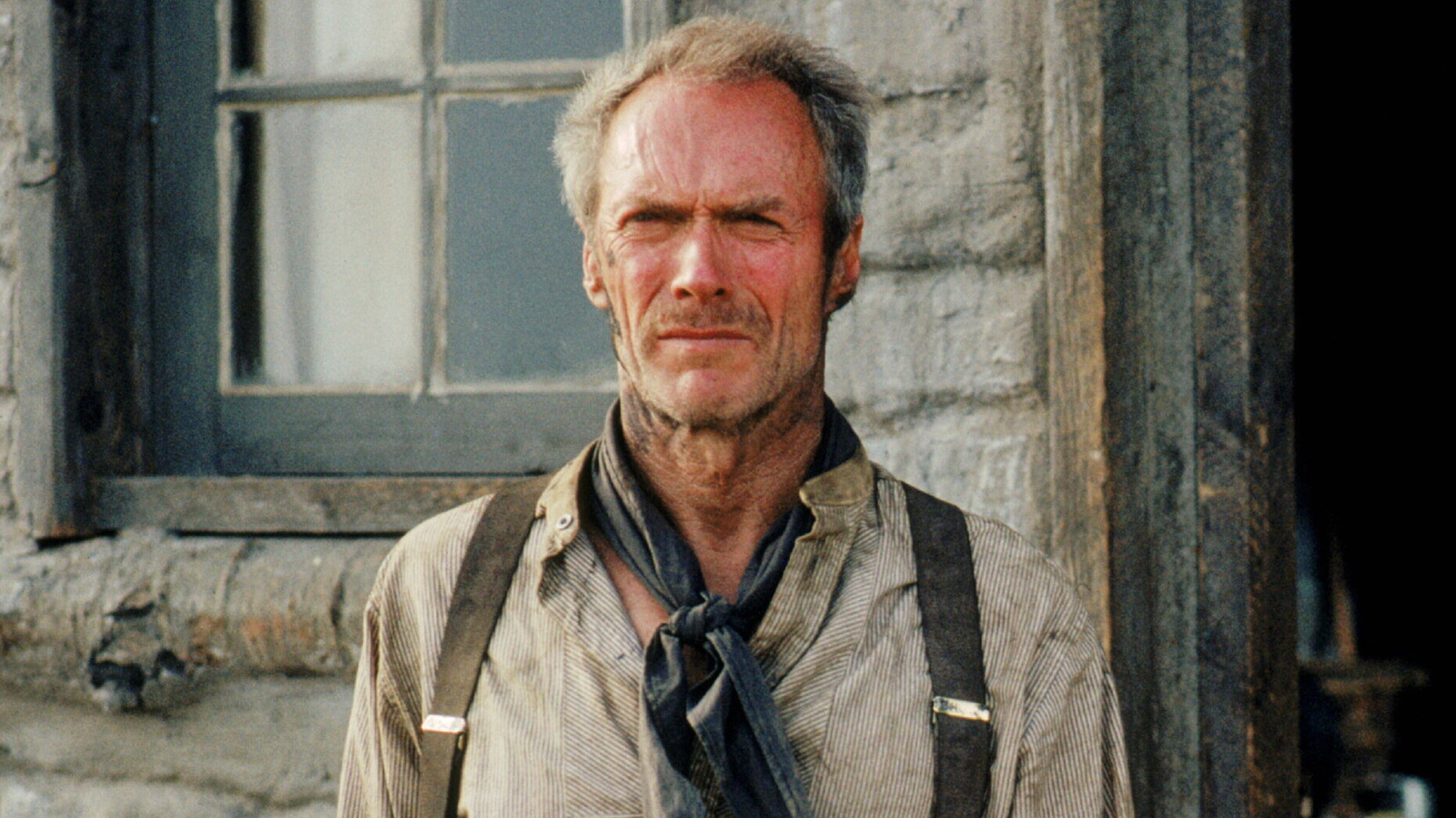
While foundational classics such as “Stagecoach,” “Shane,” and “High Noon”-which we have previously identified as some of the greatest Westerns ever produced-offered compelling escapism, they often glossed over the brutal complexities of the era. Revisionist Westerns emerged as a necessary corrective to this nostalgia. Instead of idealized heroes, these films present flawed, often morally ambiguous characters navigating a landscape defined by trauma, systemic violence, and the harsh consequences of their actions.
The Evolution of the Frontier Narrative
The transition from classical to revisionist cinema mirrors a broader cultural shift in how we view history. According to recent film studies data, the popularity of the revisionist subgenre surged in the late 1960s and 70s, reflecting a public disillusionment with authority and a desire for more authentic storytelling. Much like how a modern thriller might deconstruct the “invincible detective” trope, revisionist Westerns strip away the armor of the cowboy myth. They replace the clean, heroic stand-off with the messy, often tragic reality of survival. By focusing on the psychological toll of the frontier rather than just the spectacle of the shoot-out, these films provide a more honest, albeit darker, reflection of the American experience.