



## The Electric Vehicle Paradox: Why Less is Finally More
For over a decade, the automotive industry has operated under a singular, misguided assumption: that the path to environmental salvation is paved with massive, luxury-laden electric vehicles. Manufacturers have flooded the market with two-and-a-half-tonne “electric dreadnoughts”-opulent machines draped in premium leather and priced at levels that rival the cost of a starter home in the North of England. Today’s showrooms are dominated by SUVs boasting triple-screen digital cockpits, synthetic soundscapes, and tri-motor configurations that can out-accelerate vintage supercars.
### The Disconnect Between Marketing and Reality
While these high-tech behemoths dominate the headlines, they bear little resemblance to the daily lives of the average driver. The reality of modern commuting is far less glamorous: it is defined by gridlocked traffic, crumbling infrastructure, the relentless search for parking in congested city centers, and the crushing weight of the cost-of-living crisis.
According to recent industry data, the average weight of a new passenger vehicle has ballooned by nearly 20% over the last two decades, largely driven by the battery requirements of these oversized EVs. Yet, for the urban commuter, a vehicle that weighs as much as a small tank is not just unnecessary-it is a logistical burden.
### A Return to Sensible Engineering
Amidst this trend of “bigger is better,” a shift toward minimalism is long overdue. Drivers are increasingly questioning the necessity of 500-horsepower motors for a trip to the grocery store or the school run. The industry is beginning to realize that true sustainability isn’t found in adding more tech, more weight, and more cost, but in stripping away the excess to provide efficient, affordable mobility.
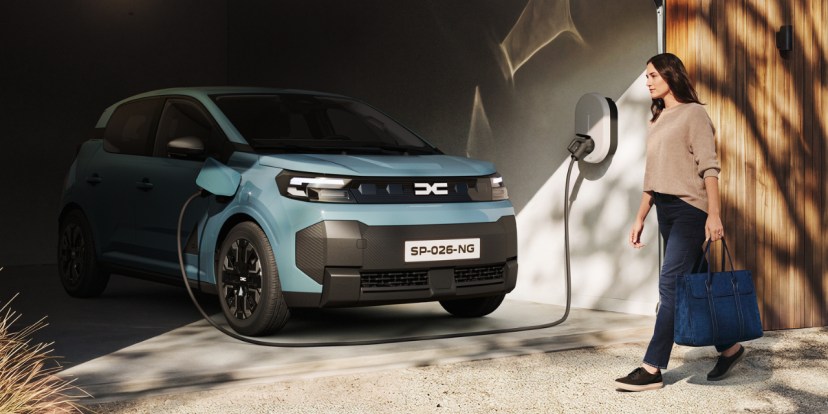
Since its integration into the Renault Group, Dacia has consistently stood as the global benchmark for this philosophy of pure pragmatism. By focusing on what drivers actually need-reliability, efficiency, and accessibility-they have exposed the absurdity of the current “more is more” approach. Instead of chasing supercar performance, the focus is shifting back to the fundamental purpose of a car: getting from point A to point B without breaking the bank or the planet.