



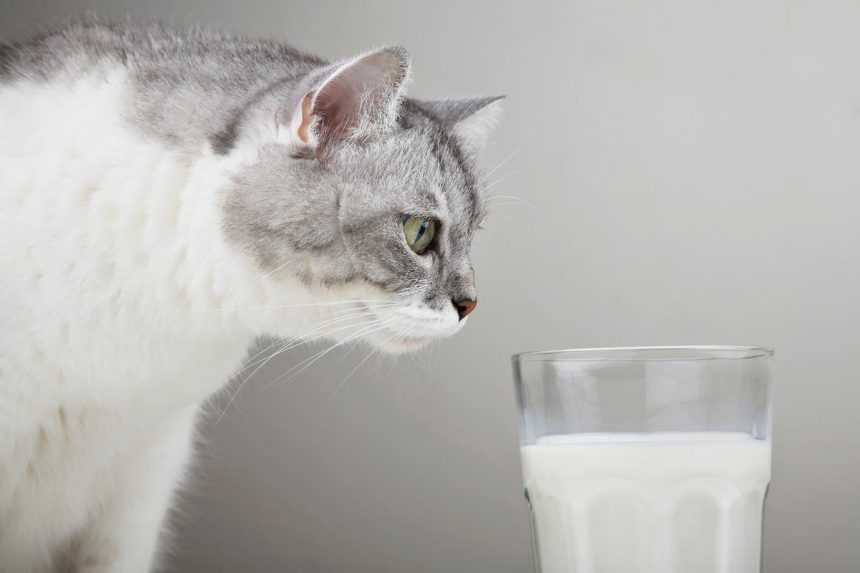
### The Myth of the Milk-Loving Feline: Why Dairy Isn’t a Treat
For millennia, the bond between humans and cats has been defined by mutual utility. Archaeological evidence suggests this partnership spans over 9,000 years, beginning when wild felines were drawn to early human granaries to hunt the rodents feasting on our food supplies. As these cats transitioned from wild predators to household companions, they effectively domesticated themselves, proving their worth as natural pest control agents.
#### From Barnyard Mousers to Kitchen Guests
As agriculture expanded, farmers relied heavily on these feline hunters to protect their harvests. This proximity to human living spaces marked the beginning of the association between cats and milk. Because dairy was a staple in many agrarian households, it was often the most accessible leftover to offer these working animals.
During the Victorian era, the lack of specialized feline nutrition meant that pet care was largely based on guesswork. In his 1877 publication, *Cats: Their Points and Characteristics*, Scottish physician Gordon Stables famously advocated for a dual-bowl feeding system: one for water and one for milk. He even went so far as to recommend a breakfast of porridge and milk for cats, a dietary suggestion that would be considered highly inappropriate by modern veterinary standards.
#### How Pop Culture Cemented a Misconception
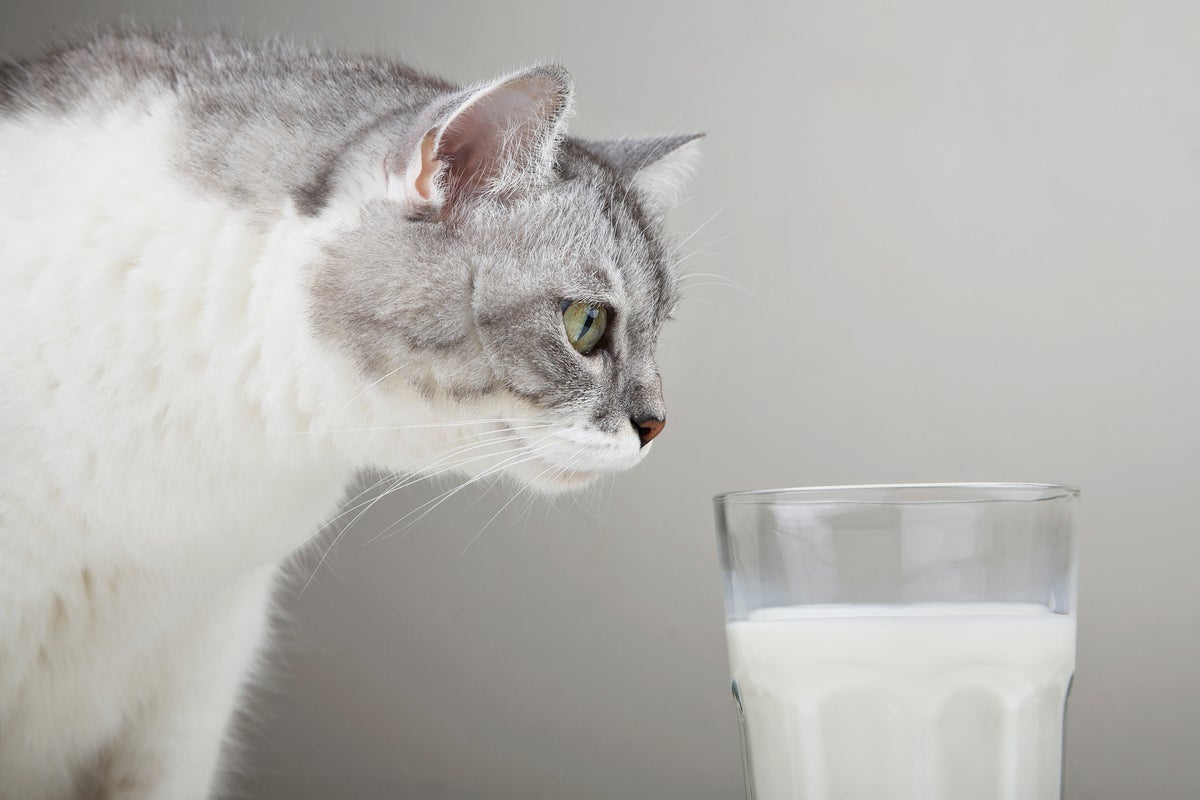
This historical habit evolved into a powerful cultural narrative. Over the last century, the image of a cat lapping up a saucer of milk has been immortalized in literature, cinema, and animation. Think of the classic cinematic trope: a bedraggled stray, shivering in the rain, is taken in by a benevolent character who immediately offers a bowl of milk as a gesture of kindness. These depictions have ingrained the idea of the “milk-loving cat” so deeply into our collective consciousness that it is often treated as a biological fact rather than a cultural myth.
#### The Biological Reality: Why Dairy Causes Distress
Despite the persistence of this imagery, modern veterinary science provides a clear verdict: most adult cats are lactose intolerant. While kittens possess the enzyme lactase to digest their mother’s milk, this ability typically wanes as they reach maturity.
According to recent data from the American Veterinary Medical Association, feeding dairy to an adult cat can lead to significant gastrointestinal distress, including bloating, gas, and diarrhea. Much like a human who is lactose intolerant, a cat’s digestive system struggles to break down the sugars found in cow’s milk. Instead of a nutritious treat, dairy often acts as a digestive irritant that provides little to no health benefit.
While the image of a cat with a saucer of milk remains a nostalgic staple of our culture, it is time to retire the practice in favor of fresh, clean water-the only beverage a cat truly requires.