





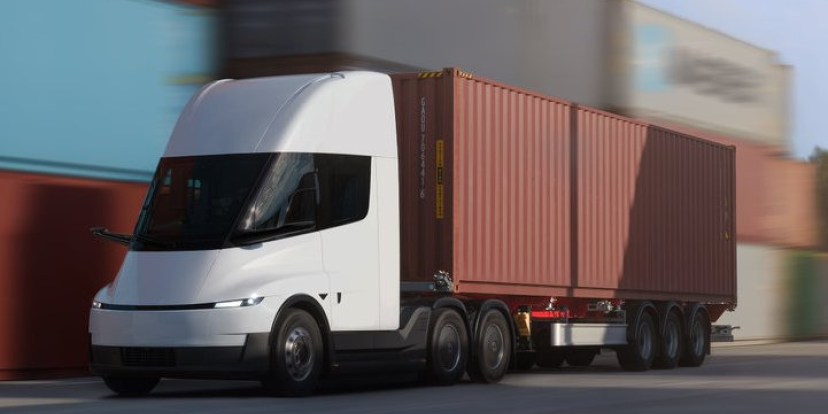
Tesla Semi Prepares for European Debut: Key Specifications Revealed
Following the initial announcement back in August that the Tesla Semi was finally headed to Europe, the automaker has now pulled back the curtain on the specific technical configuration tailored for the European market. As the heavy-duty transport sector faces increasing pressure to decarbonize, Tesla’s entry into the region marks a significant shift in the electric logistics landscape.
Performance Metrics and Load Capacity
The European iteration of the Tesla Semi is engineered to handle a gross combination weight (GCW) of 40 tons, aligning with standard European heavy-duty transport regulations. When operating at this maximum capacity, the vehicle is rated for a range of approximately 550 kilometers. It is important to note that this performance benchmark is calculated at a steady cruising speed of 80 km/h, which is the standard speed limit for heavy goods vehicles across much of the European Union.
In terms of physical footprint, the truck features a curb weight of 9,100 kg. To support specialized logistics operations, such as refrigerated trailers or hydraulic systems, the vehicle is equipped with an electric power take-off (ePTO) capable of delivering up to 25kW of power.
Powertrain Efficiency and Rapid Charging Capabilities
Under the hood, the Semi utilizes a tri-motor drivetrain designed to optimize both torque and efficiency. Tesla estimates the energy consumption for this model at roughly 1kWh per kilometer. To minimize downtime-a critical factor for fleet operators-the truck is compatible with Tesla’s high-speed Megacharger network. Capable of accepting charging speeds of up to 800kW, the system can replenish 60% of the vehicle’s total range in a mere 30-minute window, effectively allowing for a full recharge during a driver’s mandatory rest period.
As the logistics industry continues to pivot toward sustainable alternatives, the introduction of the Tesla Semi provides a high-performance option that rivals traditional diesel-powered trucks in both utility and operational efficiency.