

Beyond the Booth: How Philadelphia’s Making Time Redefined the Modern Club Experience
- By: Editorial Staff | Photography: Uv Lucas
- 15 September 2026
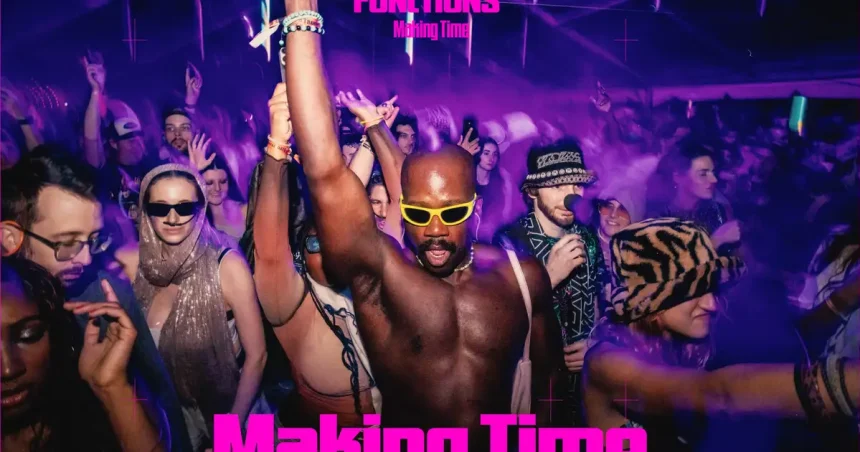
For over two and a half decades, the Philadelphia-based institution known as Making Time has systematically dismantled the conventional boundaries of nightlife. By seamlessly blending the high-energy atmosphere of a dance floor with the raw intensity of live musical performances, the event has cultivated a unique ecosystem. It serves as a rare intersection where world-class electronic selectors share the stage with indie icons like Interpol and pop visionaries such as Charli xcx.
A Catalyst for Cultural Shifts
The visionary behind this movement, the irrepressible promoter and DJ Dave P, recalls a pivotal turning point in 2001 that solidified the party’s reputation. Long before the global explosion of the garage rock revival, Making Time hosted a then-unknown band called The Strokes. Watching from the vantage point of the DJ booth, Dave P sensed a seismic shift in the industry. He recognized that the energy in the room wasn’t just about the music-it was about the convergence of disparate scenes.
The Making Time Blueprint
This foresight transformed the event into a vital launchpad for emerging talent. In an era where music discovery is often relegated to algorithmic playlists, Making Time maintains the human element of “breaking” an artist. By positioning itself as a hybrid space, the party became a destination for tastemakers and music lovers alike. As Dave P notes, that early success with The Strokes acted as a catalyst, cementing the event’s status as a premier venue for bands looking to establish a foothold in the competitive US market.
Today, the influence of this approach is undeniable. Industry data suggests that hybrid events-those that combine live instrumentation with DJ-led curation-see a 30% higher engagement rate among Gen Z and Millennial audiences compared to traditional club nights. By refusing to adhere to a single genre or format, Making Time has not only survived for 26 years but has thrived as a cultural barometer for what comes next in music.