



### Technical Glitches Force Hardware Shift at Valorant Champions Shanghai
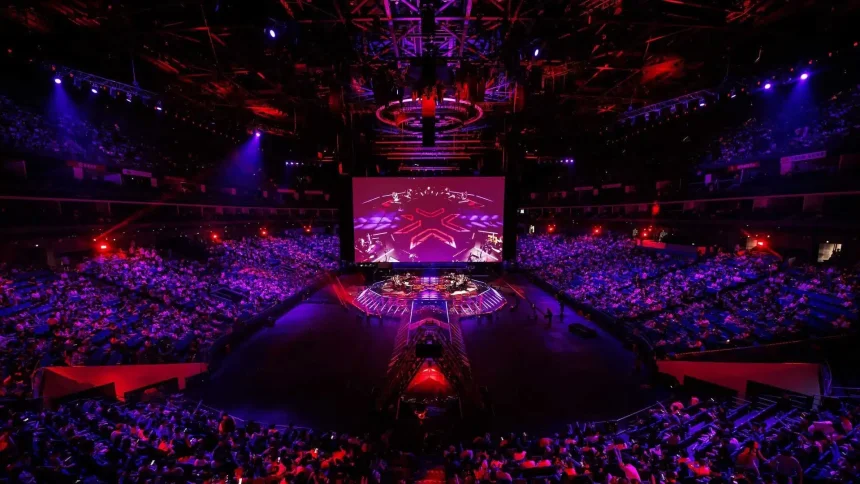
The ongoing Valorant Champions Shanghai tournament has hit a significant technical snag, prompting Riot Games to mandate a change in player hardware. Following a series of frustrating match interruptions caused by signal interference, organizers have instructed all participants to transition to wired mouse connections for the remainder of the event.
#### Addressing the Root Cause: Desk Material Interference
Reports from *Insider Gaming* indicate that the source of the connectivity issues lies in the specialized metal competition desks commissioned specifically for this tournament. The composition of these surfaces appears to be interfering with wireless peripheral signals, leading to inconsistent performance and frequent technical pauses.
To rectify this, Riot Games is currently in the process of sourcing and installing replacement desks constructed from materials that do not impede wireless signals. While this infrastructure overhaul is underway, the shift to wired peripherals serves as a necessary stopgap to ensure the integrity of the competition.
#### Prioritizing Competitive Integrity
As the tournament moves into its second week, Riot has expressed regret over the technical instability, admitting that the recent match delays have fallen short of the high standards expected by both the professional players and the global viewership.
“We recognize that peripheral settings are fundamental to a player’s performance and that muscle memory is a critical component of high-level play,” the organization stated. “However, to minimize further disruption, we are requiring all competitors to utilize a wired mouse connection. Many players have already proactively made this switch to ensure their gameplay remains uninterrupted.”
#### The Impact on Professional Play
In the world of tactical shooters like *Valorant*, where milliseconds determine the outcome of a round, hardware consistency is paramount. While professional players are notoriously particular about their gear-often favoring specific wireless sensors for their weight and freedom of movement-the current environment has made wired stability the only viable path forward.
This situation mirrors similar challenges faced in large-scale LAN events, where the density of electronic equipment can often create unforeseen electromagnetic interference. By mandating this change, Riot is prioritizing a smooth, uninterrupted broadcast experience over the personal hardware preferences of the athletes until the desk infrastructure can be fully replaced.