

Sony Pictures Releasing
The Cage Perspective: Why the MCU’s Formula Feels Stale
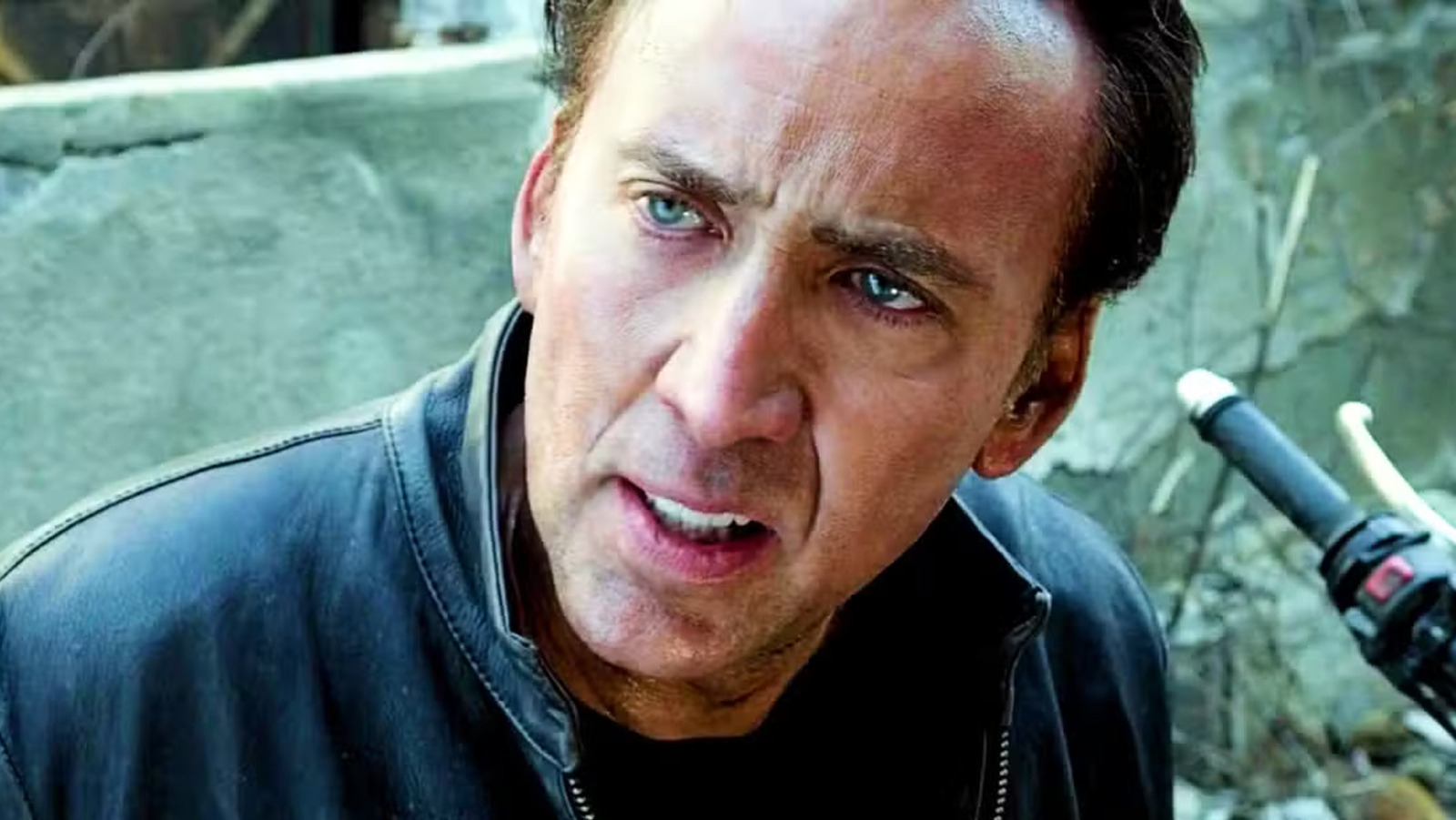
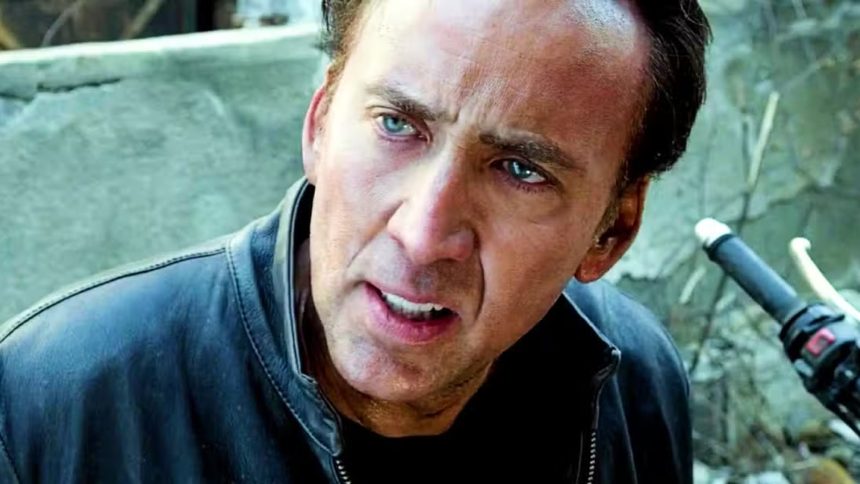
Nicolas Cage, the actor who famously embodied the flaming-skulled anti-hero Ghost Rider, has never officially stepped foot into the Marvel Cinematic Universe (MCU). While rumors swirled regarding a potential appearance in Deadpool & Wolverine-a project that ultimately didn’t feature his iteration of the character-Cage has made it clear he isn’t exactly clamoring for a spot in the franchise. During a candid session at Fan Expo Dallas, the veteran actor offered a blunt critique of the studio’s current creative direction, famously labeling the modern MCU as a “glorified WWE.”
Beyond the Ring: Decoding the “Glorified WWE” Comparison
To the uninitiated, comparing a multi-billion dollar superhero franchise to professional wrestling might sound like a jab at the athleticism of the performers. However, Cage’s assessment seems rooted in the repetitive, spectacle-heavy nature of modern blockbuster storytelling. Much like the scripted, high-octane drama of the wrestling ring, Cage suggests that the MCU has become predictable, prioritizing flashy choreography and brand synergy over the nuanced, character-driven narratives that once defined the genre.
This critique arrives at a pivotal time for Marvel. With the studio currently navigating a transition period-including the highly anticipated integration of Ghost Rider into the MCU, potentially featuring Ryan Gosling-the pressure to evolve is mounting. Industry data suggests that “superhero fatigue” is a genuine concern for audiences, with recent box office returns indicating that viewers are increasingly selective about which franchise entries they support. Cage’s comments reflect a growing sentiment among both fans and industry insiders: the “Marvel machine” needs to pivot from formulaic brawls to more substantial storytelling if it hopes to maintain its cultural dominance.
Is There Room for Artistic Growth?
While Cage’s remarks might sting for die-hard Marvel loyalists, his perspective highlights a desire for the genre to push boundaries rather than rely on established tropes. Whether or not the studio takes this feedback to heart remains to be seen. For now, Cage remains an outsider looking in, offering a critique that serves as a reminder that even the most successful franchises are not immune to the need for creative reinvention.