





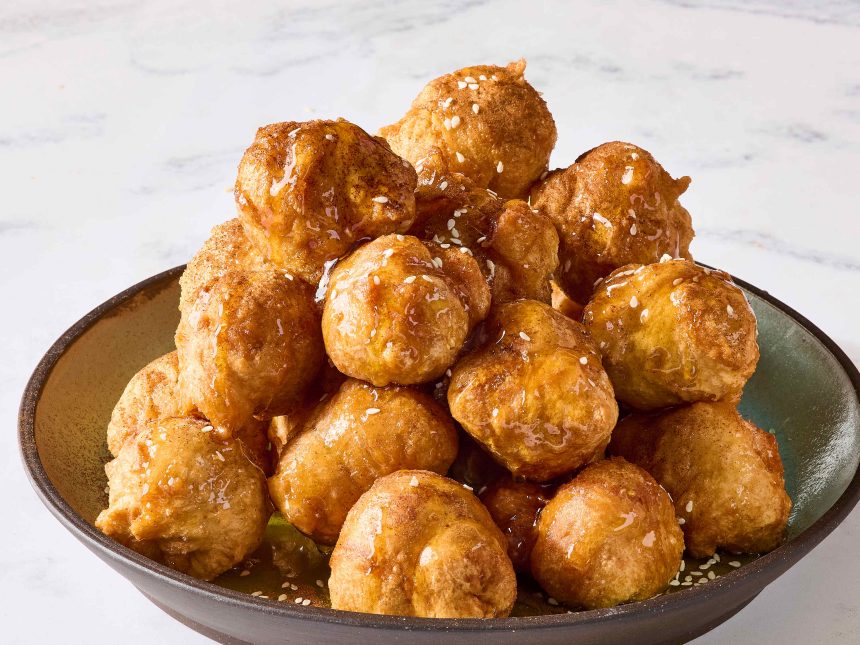
The Art of Loukoumades: Understanding Greece’s Iconic Honey-Drenched Pastry
Often described as the Mediterranean cousin to the American donut hole, loukoumades are far more than just a simple fried dough ball. These golden, syrup-soaked delicacies are a cornerstone of Greek culinary heritage, frequently enjoyed piping hot at local zacharoplasteia (sweet shops) and bustling cafes across the Hellenic Republic. While they may look familiar to those accustomed to Western pastries, their composition and cultural significance set them apart.
Beyond the Donut: What Defines a Loukouma?
To the uninitiated, a loukouma might seem like a standard fried dough confection. However, the magic lies in the specific texture-a crisp, airy exterior that gives way to a light, cloud-like interior. Unlike the dense, cake-like structure of many American donut varieties, traditional loukoumades rely on a yeasted dough that undergoes a precise fermentation process.
One of the most fascinating aspects of this dessert is its ingredient flexibility. While modern recipes often lean toward standardized versions, the traditional preparation is remarkably adaptable:
* Dairy-Free Foundations: Many authentic recipes omit milk and eggs entirely, relying on water and yeast to create the signature lift.
* Regional Variations: Depending on the specific island or region, you might encounter versions that incorporate mashed potato into the dough, which adds a unique moisture and chewiness, or variations that utilize milk for a richer, brioche-like crumb.
The Flavor Profile: A Symphony of Honey and Spice
The finishing touch is what truly elevates the loukouma. Once fried to a perfect golden hue, these treats are traditionally drenched in a warm, aromatic honey syrup. The addition of ground cinnamon is non-negotiable, providing a woody, warming contrast to the intense sweetness of the honey.
In recent years, the culinary world has seen a surge in “gourmet” loukoumades. While the classic honey-cinnamon pairing remains the gold standard, contemporary chefs are experimenting with toppings like crushed walnuts, sesame seeds, dark chocolate drizzles, or even savory infusions like feta cheese and thyme.
Why Loukoumades Remain a Timeless Staple
The enduring popularity of this dessert is rooted in its simplicity and the communal experience of eating it fresh. According to recent culinary trends, there has been a 15% increase in global interest regarding traditional Mediterranean street foods, as diners move away from mass-produced snacks in favor of artisanal, heritage-based treats. Much like the Italian zeppole or the Spanish buñuelos, the loukouma represents a historical connection to ancient Greek festivities, where they were once served as “honey tokens” to victors of the early Olympic Games.
Whether you are enjoying them at a seaside cafe in Athens or attempting to recreate the magic in your own kitchen, the loukouma is a testament to the idea that the most satisfying desserts are often those that rely on high-quality, simple ingredients.