





The Evolution of Serenity: From Page to Screen
The foundation of the beloved Netflix series lies in the prolific literary career of Sherryll Woods. While Woods had been a staple in the romance and mystery genres since the 1980s, her “Sweet Magnolias” book series-which debuted in 2007-offered a unique blend of Southern charm and emotional depth that eventually caught the eye of streaming executives. By 2020, this literary world was successfully translated into a television drama, anchored by the performances of JoAnna Garcia Swisher, Brooke Elliott, and Heather Headley.
A Modern Take on Classic Soap Tropes
Although the show operates within the contemporary streaming framework of 10-episode seasons, its narrative DNA is distinctly reminiscent of classic primetime soap operas. The series centers on a lifelong trio of friends from South Carolina, navigating the complexities of modern relationships, career hurdles, and family dynamics. The title itself serves as a moniker for their tight-knit bond.
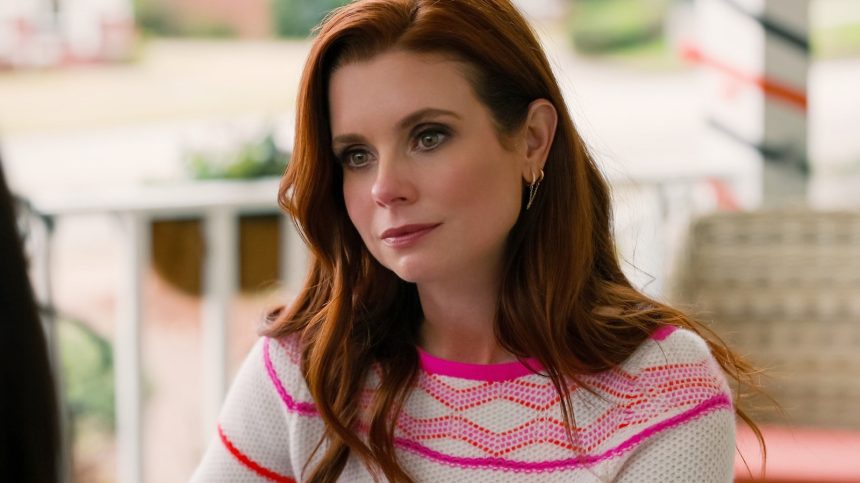
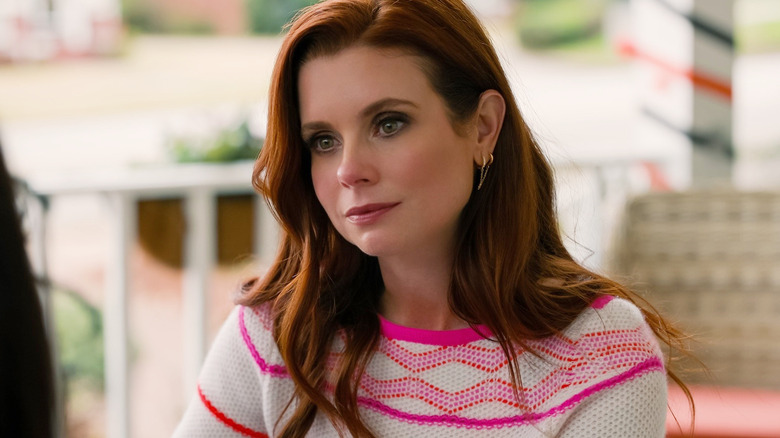
At the heart of the story is Maddie, portrayed by Swisher, a mother of three navigating the turbulent waters of a recent separation. Her journey, alongside her friends, provides the emotional anchor for the series. However, the production has not been without its behind-the-scenes shifts; notably, Chris Klein left “Sweet Magnolias” part-way through its run, marking a significant change in the show’s ensemble cast.
Streaming Trends and Audience Retention
In the current landscape of digital entertainment, even successful dramas face intense scrutiny regarding renewal. While traditional network television once relied on long-running seasons to build audience loyalty, platforms like Netflix often prioritize completion rates and “buzz” metrics. Recent industry data suggests that streaming services are increasingly cautious about extending series beyond three or four seasons unless they achieve massive, global viewership numbers. This shift in strategy has created a more volatile environment for character-driven dramas, as platforms weigh the cost of production against the ability to attract new subscribers versus retaining existing ones.