




When you purchase through links in our articles, we may earn a small commission. This doesn’t affect our editorial independence.
The Rise of the Pre-Owned Hardware Market: Navigating Today’s Tech Shortages
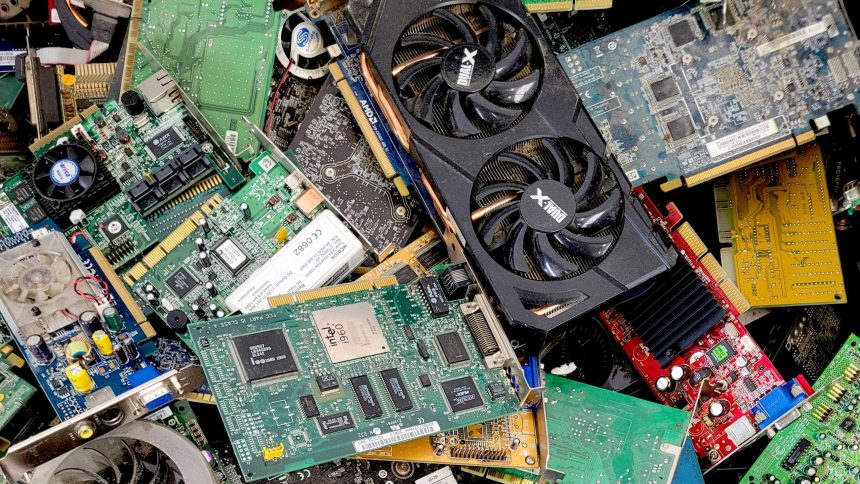
As the cost of high-performance computing hardware continues to climb, a growing number of enthusiasts are abandoning the traditional retail route in favor of the secondhand market. With global supply chain constraints and fluctuating production cycles-such as the persistent volatility in RAM availability-buying used components is shifting from a niche practice to a mainstream necessity.
Why Used Components Are Becoming the New Standard
For years, I maintained a strict policy of purchasing only brand-new, factory-sealed components for my builds. However, the current economic climate and the unpredictability of component pricing have forced a re-evaluation of that stance. When the cost of a single memory kit rivals the price of an entire entry-level system from a few years ago, the secondhand market becomes an attractive, if not essential, alternative.
Recent industry data suggests that the refurbished and used electronics market is expanding at a compound annual growth rate (CAGR) of over 10%, driven largely by consumers seeking to bypass inflated MSRPs. Whether it is a GPU that has been gently used or a CPU pulled from a decommissioned workstation, the potential for cost savings is significant, provided you know how to navigate the risks.
Expert Insights on Sourcing Pre-Owned Gear
The decision to buy used requires a shift in mindset. It is no longer just about finding the lowest price; it is about risk mitigation and verification. I recently revisited this episode of The Full Nerd, which offers a masterclass in hardware procurement. The discussion highlights critical strategies for vetting sellers, identifying signs of hardware fatigue, and understanding the limitations of buying components without a manufacturer’s warranty.
Best Practices for Safe Hardware Acquisition
- Verify Seller Reputation: Always prioritize platforms with robust buyer protection programs and transparent feedback systems.
- Request Stress Test Results: Don’t hesitate to ask for benchmarks or stability test logs (like Prime95 or FurMark) to ensure the component is functioning at factory specifications.
- Understand the “As-Is” Risk: Unlike retail purchases, secondhand deals rarely come with support. Factor the lack of a warranty into your budget-if a part fails, you are responsible for the replacement.
Welcome to The Full Nerd newsletter-your weekly dose of hardware talk from the enthusiasts at PCWorld.