



The Evolution of Android Auto: What Version 18 Beta Signals for Drivers
The latest Android Auto 18 beta has officially arrived. While casual users might notice a lack of immediate, flashy updates upon installation, a deep dive into the underlying source code tells a different story. This release serves as a foundational update, meticulously preparing the platform for a significant architectural and visual transformation.
From Coolwalk to Cielo: A New Design Language
Google’s previous major milestone, the “Coolwalk” interface, was a game-changer for road safety. By prioritizing split-screen navigation and streamlining access to essential apps, it successfully minimized driver distraction.
Building on that success, Android Auto 18 introduces the framework for “Cielo,” the next iteration of the platform’s design language. While Coolwalk focused on utility, Cielo aims to elevate the aesthetic experience while deepening the ecosystem’s intelligence.
Key Enhancements Expected in the Cielo Update
The shift toward the Cielo interface is designed to make the in-car experience more intuitive and visually cohesive. Anticipated improvements include:
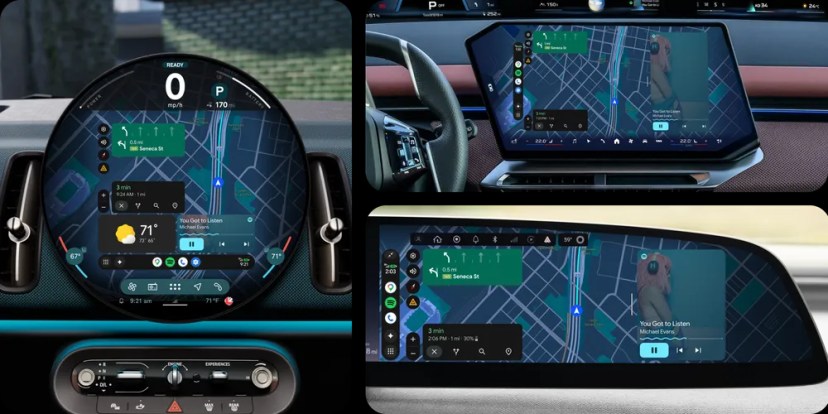
* Adaptive Layouts: The interface will intelligently adjust its geometry to fit the diverse range of infotainment screen shapes and sizes found in modern vehicles, from ultra-wide panoramic displays to vertical portrait screens.
* Enhanced Widget Functionality: Expect “glanceable” widgets that provide real-time data without requiring deep menu navigation, ensuring drivers can stay focused on the road.
* Deep Gemini Integration: Perhaps the most significant shift is the tighter coupling with Google’s Gemini AI. This integration is expected to move beyond simple voice commands, allowing for more natural, context-aware assistance that can proactively manage vehicle settings and trip information.
Why This Matters for the Future of In-Car Tech
As vehicle manufacturers continue to push for larger, more complex digital cockpits, the need for a standardized, responsive interface has never been greater. According to recent industry data, over 200 million cars are now compatible with Android Auto, making these UI refinements critical for maintaining a consistent user experience across different automotive brands. By laying this groundwork now, Google is positioning Android Auto to remain the gold standard for smartphone-to-vehicle connectivity.