



The Rare Sound of Wu-Tang’s “Once Upon A Time in Shaolin” Finally Emerges
For nearly a decade, the Wu-Tang Clan’s legendary secret album, Once Upon A Time in Shaolin, has existed more as a myth than a musical project. Due to its restrictive ownership history, the record has remained largely inaccessible to the public. However, the veil of mystery has lifted slightly, as the podcast Pablo Torre Finds Out recently unveiled two exclusive audio snippets from the project in their latest deep-dive episode, which you can explore here.
A Turbulent Journey Through Ownership
The saga of this one-of-a-kind record is as chaotic as it is fascinating. Produced as a singular physical artifact, the album is legally barred from commercial distribution until the year 2103. Its journey into the public consciousness took a sharp turn in 2015 when Martin Shkreli, the controversial former pharmaceutical executive, secured the album at auction.
Shkreli’s tenure as the sole gatekeeper of the music ended in disgrace. Following his legal troubles, the US government seized the album as part of a forfeiture order. By 2021, the government auctioned the record to PleasrDAO, a decentralized collective focused on digital art and cultural assets. Since acquiring the piece, PleasrDAO has taken a more open approach, occasionally allowing the music to be experienced through curated museum exhibitions, such as the recent showcase at the Museum of Old and New Art in Tasmania.
Method Man’s First Listen
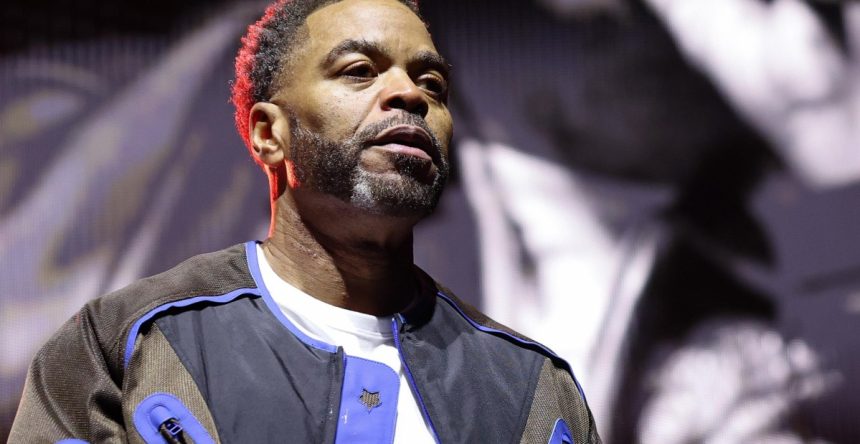
The recent podcast collaboration between Pablo Torre Finds Out and PleasrDAO provided a rare, high-profile moment for the album. During a special listening session, the hosts played tracks for none other than Wu-Tang Clan icon Method Man. Remarkably, despite being a core member of the group that created the project, this event marked the first time he had ever heard the finished record.
This moment highlights the strange reality of Once Upon A Time in Shaolin: a piece of art so exclusive that even its creators were kept at arm’s length for years. As the album continues to surface in controlled environments, it challenges our traditional understanding of music consumption in the digital age, where accessibility is usually the default.