



The Ultimate Kitchen Upgrade: Why I Switched to a Hybrid Air Fryer and Slow Cooker
For years, my countertop was a battlefield of competing appliances. My air fryer and slow cooker were non-negotiable staples, yet they occupied precious real estate in my kitchen. Recently, I made the decision to consolidate, trading in my separate units for a single, high-performance hybrid machine. This multipurpose powerhouse has completely transformed my cooking routine, and frankly, I haven’t stopped recommending it to everyone I know.
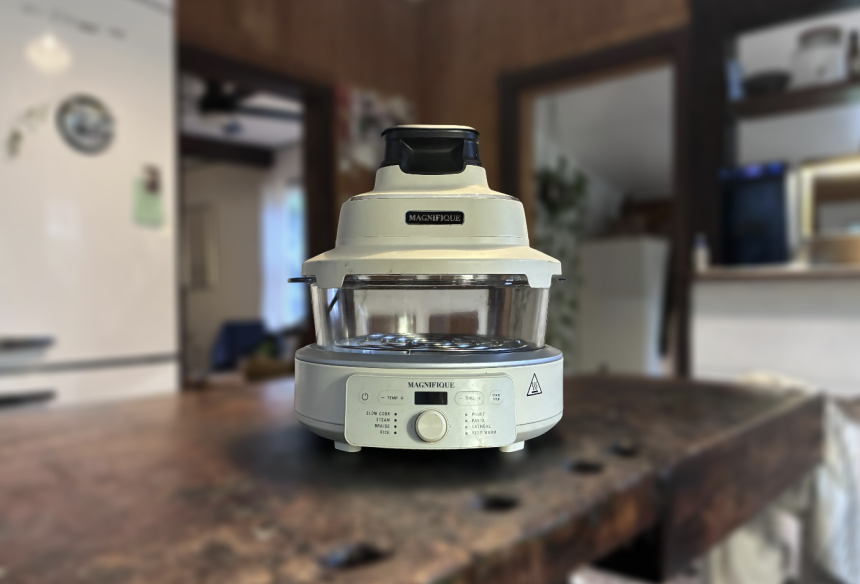
First Impressions: The Magnifique Design
When you first unbox the Magnifique, its aesthetic is strikingly familiar, bearing a strong resemblance to the popular glass-based models currently trending in culinary circles. However, it’s not just about looks; the integration of these two distinct cooking methods into one chassis is a masterclass in efficiency.
Efficiency Meets Culinary Versatility
The modern home cook is increasingly looking for ways to save time and space. According to recent market data, the demand for “all-in-one” kitchen appliances has surged by over 20% in the last two years, as consumers prioritize minimalist kitchens without sacrificing meal quality. By combining the rapid, convection-based crisping of an air fryer with the gentle, long-duration heat of a slow cooker, this device eliminates the need for multiple power outlets and storage cabinets.
Think of it like upgrading from a standard bicycle to a high-end electric mountain bike; you’re still getting to the same destination, but the journey is significantly faster and requires far less manual effort. Whether I’m searing a roast or achieving the perfect crunch on root vegetables, the transition between modes is seamless.
Why Consolidation is the Future
Beyond the obvious benefit of reclaiming counter space, there is a psychological advantage to simplifying your cooking tools. When you have fewer, more versatile machines, you tend to master them more thoroughly. I’ve found that I experiment more with recipes now that I don’t have to juggle different interfaces and cleaning protocols for two separate devices. It’s a smarter, more sustainable way to manage a busy household kitchen.