



Paramount Pictures
We may receive a commission on purchases made from links.
The Lost Vision of a Star Trek Crossover Event
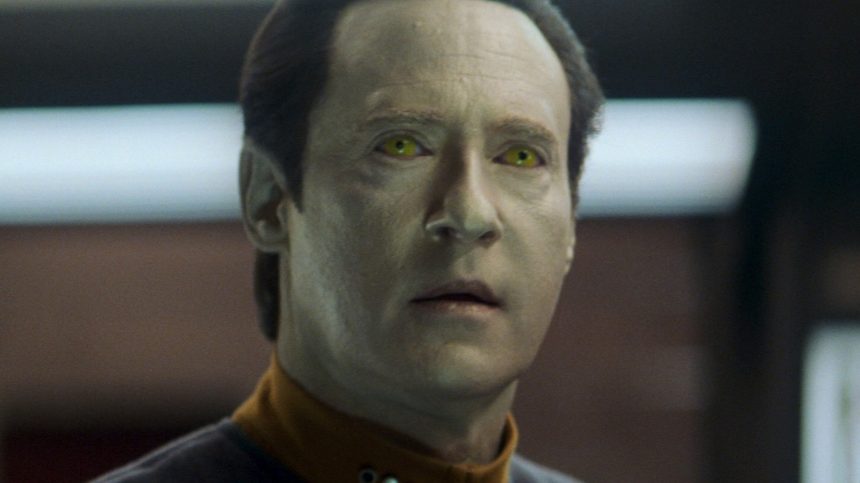
For decades, the dream of a massive, interconnected “Star Trek” cinematic event has lingered in the minds of the franchise’s most dedicated followers. Brent Spiner, the iconic actor behind the beloved android Data, once championed a concept that would have functioned as the “Justice League” of the science fiction universe. While the idea of uniting legendary crews on the big screen sounds like a guaranteed blockbuster, the project ultimately failed to materialize. Understanding why this ambitious crossover remained a “what-if” scenario requires looking back at the landscape of the franchise during the early 2000s.
From Nemesis to a Grand Ensemble
Despite Spiner’s well-documented history of contemplating his departure from the series during its formative years, he remained a cornerstone of the “Next Generation” era. Following the 2002 release of “Star Trek: Nemesis,” Spiner collaborated with screenwriter John Logan to pitch a monumental film. According to a recent discussion with TrekMovie.com, the goal was to assemble a massive ensemble cast that spanned the entirety of the franchise’s history at that time.
Spiner described the potential project with immense enthusiasm, noting that the narrative scope was designed to be truly spectacular. By aiming to integrate characters from every iteration of “Star Trek” available during that period, the film would have served as a definitive bridge between generations, much like how modern cinematic universes utilize cameos and team-ups to drive fan engagement and box office revenue-a strategy that has since become the industry standard for major intellectual properties.
Why the Enterprise Never Assembled
The failure to launch this “Justice League” of space exploration can be attributed to the shifting priorities of Paramount Pictures during the post-“Nemesis” era. At the time, the franchise was facing a period of fatigue; “Nemesis” had underperformed at the box office, and the television landscape was moving away from the traditional episodic format that had defined the series since the late 1980s. While the concept of a crossover was creatively bold, the studio was likely hesitant to invest in a high-budget ensemble piece when the brand’s theatrical future was in a state of flux. Ultimately, the industry’s focus shifted toward the 2009 reboot, leaving Spiner’s grand vision as a fascinating footnote in the history of the final frontier.