




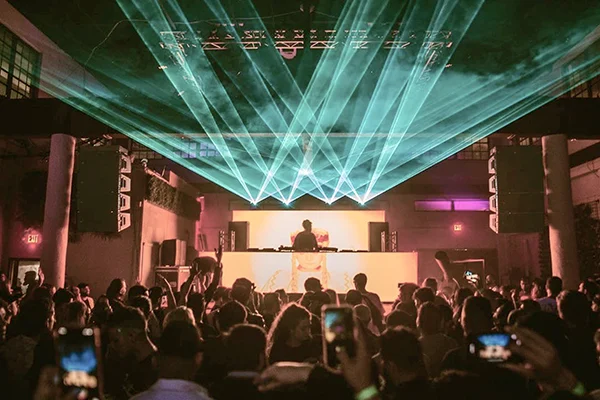
The High Cost of Nightlife: Is Orlando Stifling Its Own Creative Future?
Every global superstar once started in a cramped, dimly lit room, playing to a handful of people. Before the massive festival stages and the sold-out arena tours, there is always an independent promoter taking a financial leap of faith on an unproven artist. These grassroots venues are the lifeblood of any city’s cultural identity, acting as incubators for talent and innovation. However, when the financial barrier to entry becomes too high, the entire ecosystem begins to wither.
Currently, Orlando finds itself at a critical crossroads. By imposing heavy financial burdens on independent nightlife spaces, the city risks silencing the very venues that turn a local scene into a global destination for dance music.
The Financial Strain of the After-Midnight Permit
The reality of operating a venue in downtown Orlando has shifted significantly since the city implemented its After Midnight Alcohol Sales program in May 2023. Designed as a response to public safety concerns and incidents of violence in the downtown core, the policy mandates that venues pay for police presence based on a complex formula involving occupancy, the type of liquor license held, and geographic location.
The impact on local businesses is stark. For instance, the downtown venue Celine has reported monthly policing fees reaching $9,548.71. When extrapolated over a calendar year, this amounts to an annual expenditure exceeding $114,000-a staggering sum that sits on top of the already significant costs of private security, technical production, artist guarantees, and general staffing.
A Mismatch of Revenue and Regulation
The core issue lies in the rigidity of the payment structure. Under the current mandate, these fees must be paid in advance on a monthly basis. If a venue falls behind, they lose their permit to operate after midnight, effectively cutting off their most profitable hours. This creates a precarious environment where the overhead costs are fixed and aggressive, while the revenue generated by ticket sales and bar tabs remains inherently volatile.
To put this into perspective, consider the “nursery” analogy: if you charge a gardener a premium tax for every seed they plant before they even know if the crop will grow, they will eventually stop planting altogether. In the music industry, this means promoters are less likely to book experimental or emerging acts, opting instead for “safe” bets that guarantee a crowd. This homogenization of the scene is a slow-moving threat to the city’s cultural diversity.
The Broader Impact on Cultural Growth
When independent venues are forced to prioritize survival over artistic risk-taking, the entire city suffers. A vibrant nightlife scene is not just about entertainment; it is a major economic driver that attracts tourism and keeps young, creative talent from migrating to more affordable or supportive cities. According to recent data from the Night Time Industries Association, for every dollar spent on a ticket at an independent venue, an additional $3 to $5 is typically spent in the surrounding local economy, including transportation, dining, and hospitality.
By squeezing these venues, Orlando may inadvertently be closing the door on the next generation of dance music icons. If the city wants to maintain its status as a cultural hub, it must find a way to balance public safety with the economic realities of the creative sector.