




Expanding AI Upscaling: FSR 4.1 Comes to Radeon RX 6000 Series
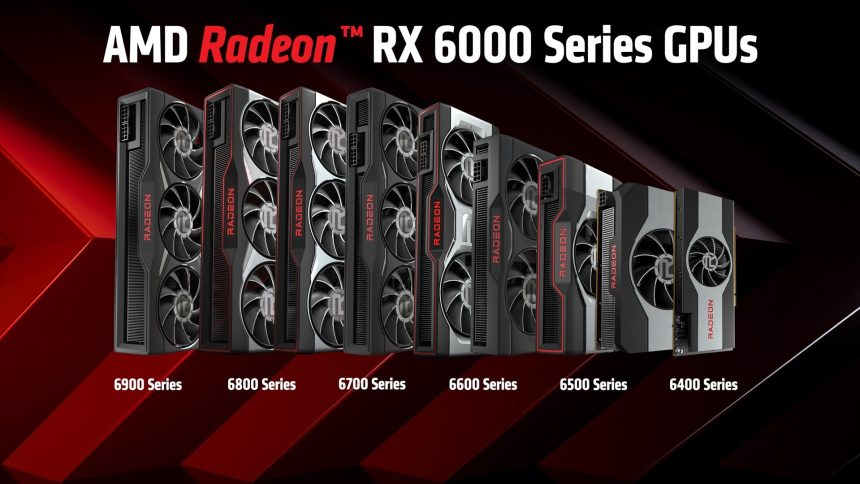
AMD has officially broadened the reach of its machine-learning-driven upscaling technology. With the release of the Adrenalin 26.10.1 driver, FSR 4.1 is no longer exclusive to the latest hardware, now supporting the RDNA 2 architecture found in Radeon RX 6000 graphics cards-a lineup that first hit the market back in 2020.
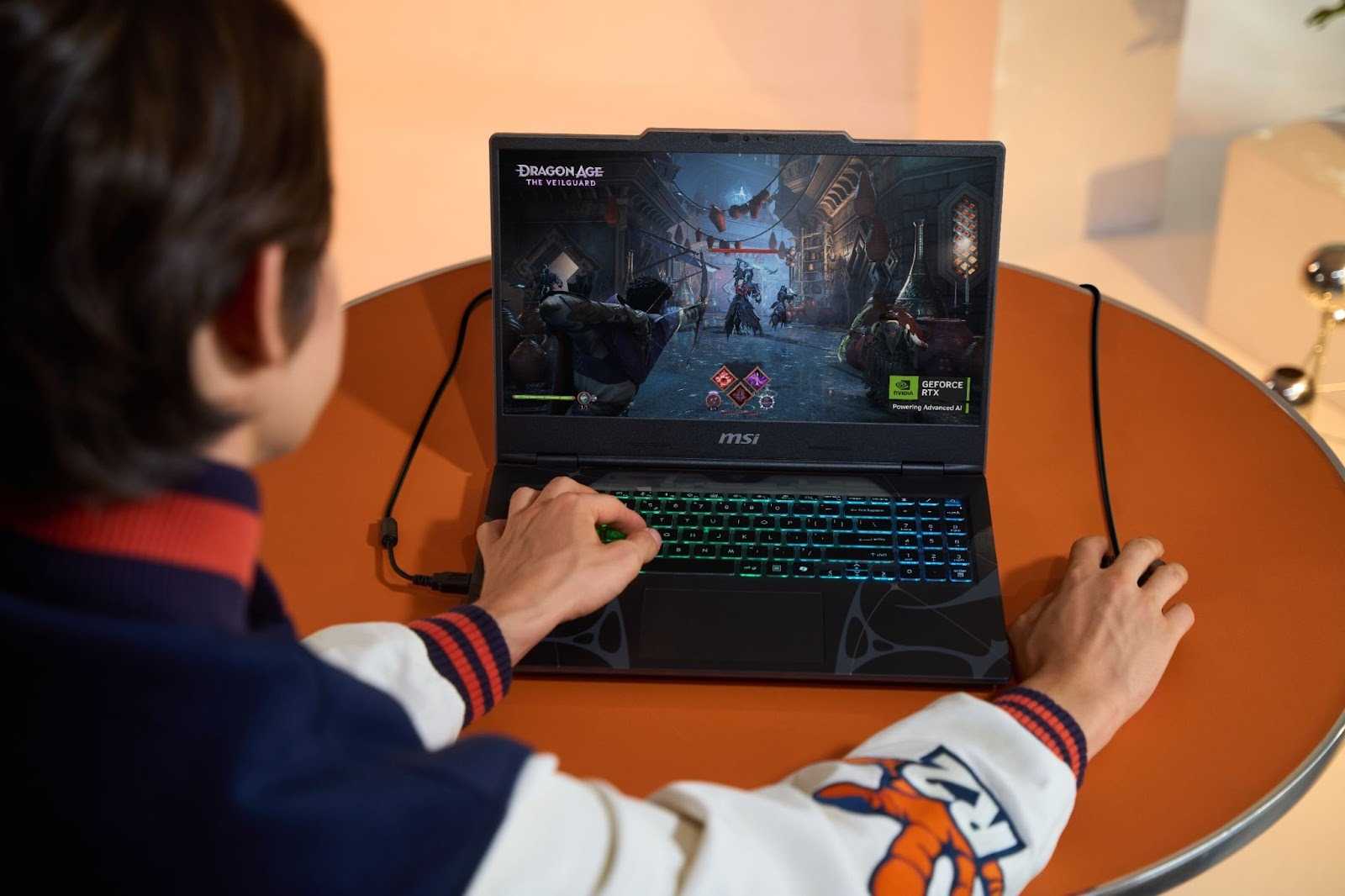
Beyond desktop GPUs, this update extends to mobile computing, specifically targeting Ryzen AI-powered laptops and the upcoming Z2 handheld gaming devices.
### Bridging the Gap: From RDNA 3 to RDNA 2
Previously, users looking to leverage the full potential of AMD’s AI-based upscaling were restricted to the RX 7000 or the newer RX 9000 series. Those relying on older hardware were relegated to FSR 3.1, which, while effective, lacks the sophisticated machine-learning foundation that defines the newer iteration.
To make this transition possible, AMD engineers performed a significant technical overhaul. By refining the INT8 model-originally architected for the RX 7000 series during its July debut-the team successfully compressed the workload. This optimization allows the older RDNA 2 architecture to handle the complex AI calculations without sacrificing the performance gains that users expect from modern upscaling.
### Performance Across Portable Platforms
The integration of FSR 4.1 into the handheld market is particularly noteworthy. As portable gaming continues to surge-with market reports suggesting the handheld gaming PC segment could reach a valuation of over $5 billion by 2030-efficiency is paramount.
AMD has confirmed that Z2-based handhelds will utilize a specialized, lightweight version of the upscaler. Because these devices operate under tighter thermal and power constraints than desktop towers, the implementation will be tailored to ensure that frame rate improvements do not come at the cost of battery longevity. Consequently, the exact rollout timing and performance profiles may fluctuate depending on the specific hardware configuration of each device.
### Why This Matters for Gamers
For owners of RX 6000 cards, this update effectively extends the lifespan of their hardware. Rather than requiring a costly upgrade to access the latest visual fidelity features, users can now tap into AI-driven image reconstruction. This move mirrors the industry trend of prioritizing software-level optimization to keep legacy hardware competitive in an era of increasingly demanding AAA titles.
For further details on the technical specifications and compatibility, you can read the official announcement here: AMD says.