





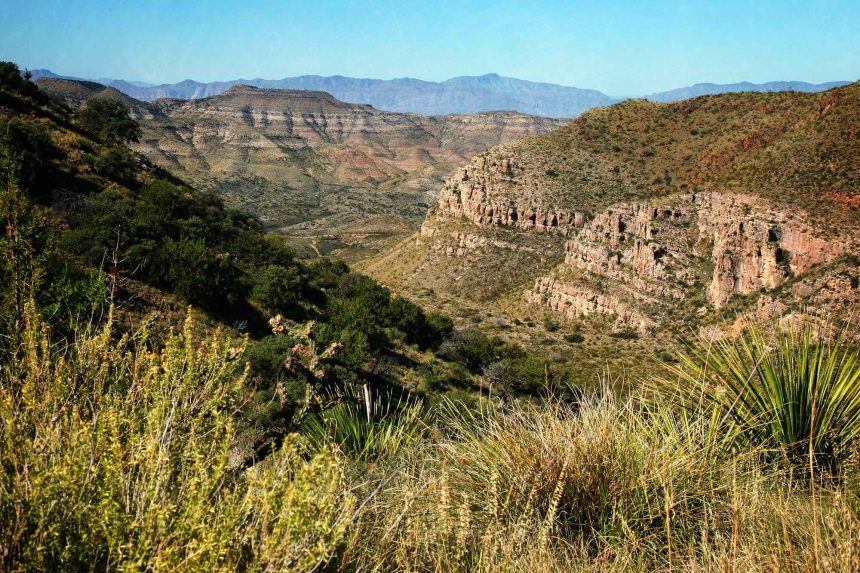
Navigating the Wilds: A Guide to Conquering Pinto Canyon Road
Texas is often associated with sprawling highways and flat horizons, but tucked away in the remote reaches of the Trans-Pecos lies a route that defies the typical desert narrative. Pinto Canyon Road (FM 2810) is not merely a drive; it is a rugged pilgrimage through the heart of the Chihuahuan Desert. Stretching from Marfa toward the Mexican border, this path offers a raw, unfiltered look at the high-desert landscape that few travelers ever witness.
Preparing for the Journey
Before you set out, it is vital to understand that this is not a casual Sunday cruise. The road transitions from paved asphalt to gravel and dirt, winding through steep grades and narrow passes.
* Vehicle Requirements: While a high-clearance vehicle is highly recommended, a standard car can manage the route during dry conditions. However, if recent rains have occurred, the road can become treacherous. Always check local weather reports in Marfa before departing.
* Self-Sufficiency: You will be entering a “dead zone” for cellular service. Ensure your gas tank is full, carry extra water, and pack a physical map. There are no services, gas stations, or emergency outposts once you leave the outskirts of town.
The Landscape: A Geological Masterpiece
As you ascend into the Chinati Mountains, the scenery shifts dramatically. Unlike the monotonous stretches of interstate, Pinto Canyon Road provides a vertical experience. You are essentially driving along the rim of a massive volcanic caldera.
Recent geological surveys of the region highlight the area’s unique volcanic history, which dates back roughly 30 million years. The dramatic rock formations and deep, shadowed canyons are remnants of this violent past, now softened by hardy desert flora like ocotillo, yucca, and prickly pear.
Why This Route Stands Out
While many travelers flock to Big Bend National Park, Pinto Canyon Road offers a solitude that is increasingly rare. It is a place where the silence is profound and the light-especially during the “golden hour”-transforms the rugged terrain into a painter’s palette of deep purples and burnt oranges.
Think of this drive as the “backstage pass” to the Texas wilderness. Where Big Bend is the main stage with its well-marked trails and crowds, Pinto Canyon is the quiet, untamed rehearsal space where you can truly hear the wind and see the stars without the interference of light pollution. In fact, the International Dark-Sky Association recognizes this region as one of the best places in North America for stargazing, thanks to the minimal human footprint in the surrounding ranch lands.
Essential Tips for the Road
- Respect Private Property: Much of the land bordering the road is private ranch land. Stay strictly on the designated path to preserve the ecosystem and respect the rights of local landowners.
- Pack Out What You Pack In: This is a pristine environment. Leave no trace of your visit to ensure the landscape remains untouched for future explorers.
- Timing is Everything: Aim to start your drive in the early morning. The heat of the afternoon can be intense, and the morning light provides the best visibility for the winding, unshielded curves of the canyon descent.
For those seeking a deeper dive into the logistics and history of this remarkable stretch of pavement and gravel, you can find additional resources here: » More Info >>>