



The Future of Gaming: Why AI-Generated Titles May Struggle to Find an Audience
In an age defined by the rapid proliferation of mass-produced, disposable commodities, the gaming industry faces a unique crossroads. As technology advances, the question remains: can automated creation truly replicate the soul of a masterpiece?
Updated: Oct 27, 2026 11:27pm UTC
The AI Surge and the Saturation Problem
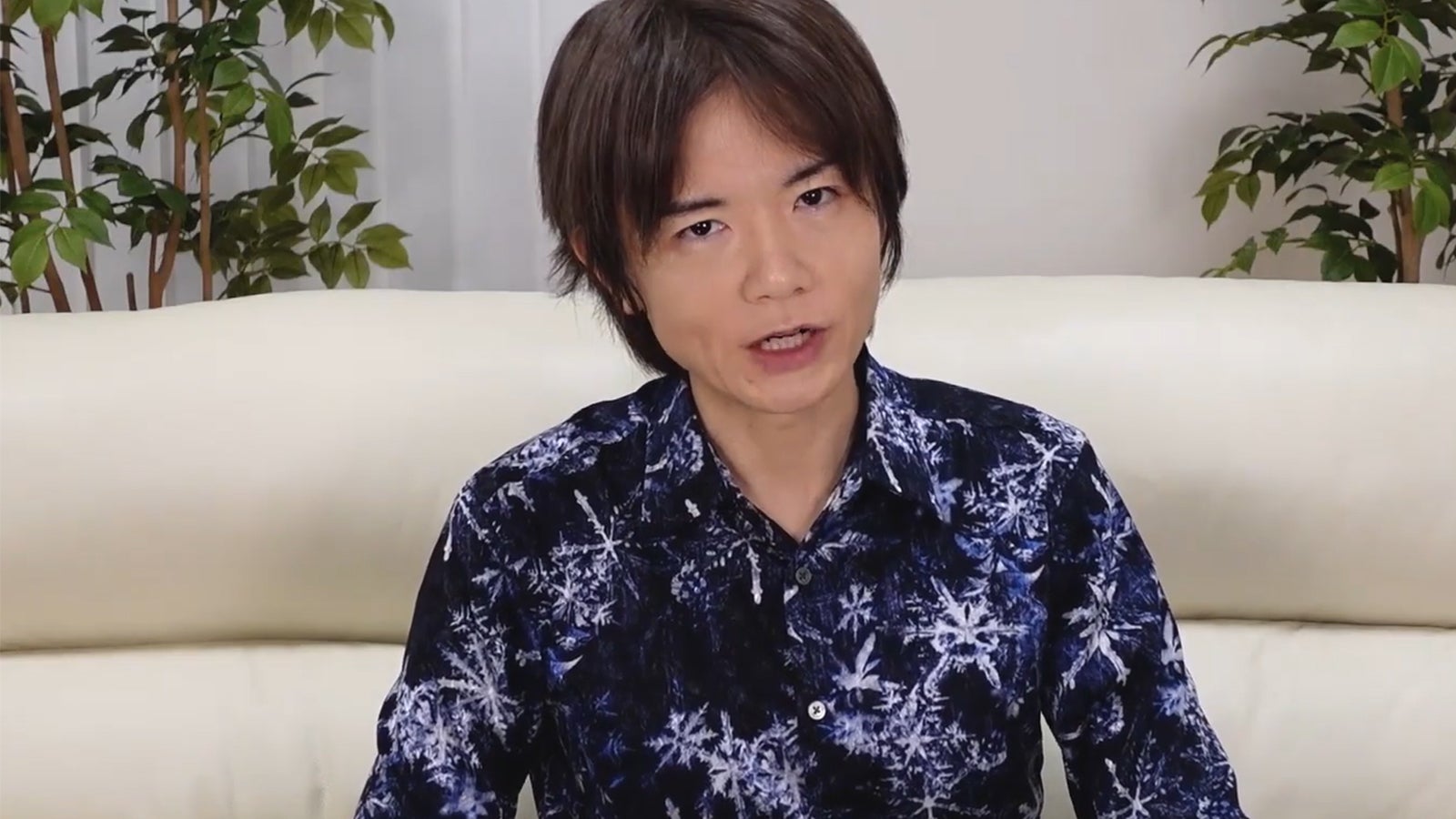
Masahiro Sakurai, the visionary mind behind the Super Smash Bros. series, recently offered a sobering perspective on the current trajectory of game development. During a candid discussion with Denfaminico Gamer, Sakurai addressed the staggering explosion of titles hitting platforms like Steam. Since 2010, the digital marketplace has seen an astronomical rise in volume, ballooning from a modest 275 annual releases to over 19,000.
Sakurai anticipates that this figure is far from its peak. He posits that the integration of Artificial Intelligence into development pipelines will inevitably lead to an even greater influx of software. However, he remains skeptical about the long-term viability of this trend.
Quantity vs. Quality: The “Unprofitable” Trap
According to Sakurai, the sheer volume of AI-assisted games will likely lead to a market saturated with “unprofitable titles.” The primary issue, he suggests, is discoverability and substance. When the market is flooded with thousands of projects, it becomes functionally impossible for players to navigate the noise, let alone find quality experiences.
He draws a sharp contrast between these automated outputs and handcrafted classics. For instance, while an AI might be able to generate a functional game loop, it lacks the intentionality and artistic cohesion found in titles like Shadow of the Colossus. To Sakurai, human-made games possess a distinct “human touch” that resonates with players in a way that algorithmic generation cannot.
The Risk of Derivative Design
A significant concern raised by the developer is the tendency for AI to rely on existing patterns. He argues that much of what is produced via AI will be little more than a remix of established systems-essentially, a collection of clones that lack innovation.
Just as a mass-produced plastic trinket lacks the character of a hand-carved wooden sculpture, AI-generated games risk becoming hollow echoes of the industry’s past successes. Without the spark of human creativity to push boundaries, these titles are destined to be viewed as low-quality goods, failing to capture the lasting demand that defines truly iconic gaming experiences.