




Illuminating Your Workspace: A Guide to Hassle-Free Under-Cabinet Lighting
The kitchen is the heart of the home, yet it is frequently the most poorly lit area. While standard ceiling fixtures and the occasional dim bulb tucked into a range hood provide basic visibility, they often fail to illuminate the specific zones where the real work happens: your countertops. If you find yourself chopping vegetables in your own shadow, it is time to consider upgrading your kitchen’s ambiance and functionality with under-cabinet lighting.
Why Task Lighting Matters
Proper illumination is not just about aesthetics; it is a matter of safety and efficiency. According to recent interior design studies, effective task lighting can reduce eye strain by up to 30% during food preparation. By casting light directly onto your workspace, you eliminate the glare and dark spots created by overhead lights, making precision tasks like dicing, measuring, and plating significantly easier.
My Search for the Perfect Solution
When I decided to tackle my own kitchen’s lighting woes, I established a strict set of requirements. I wanted a solution that offered professional-grade brightness without the headache of a major renovation. My primary constraint was the installation method: I was determined to avoid power tools entirely. I had no desire to deal with drywall anchors, electrical wiring, or the permanent damage caused by drills and screwdrivers.
Prioritizing Ease of Installation
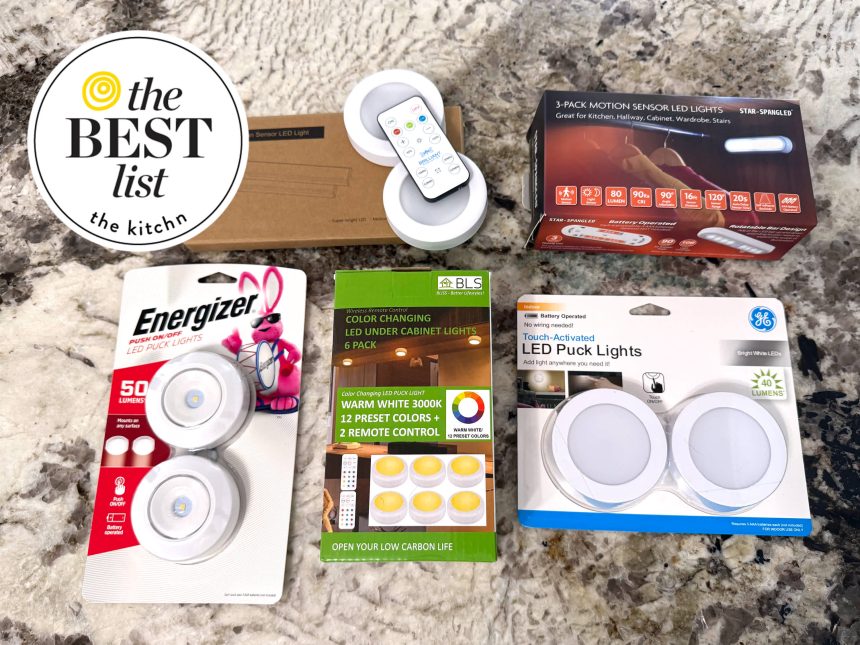
For many homeowners and renters alike, the “no-drill” approach is the gold standard. Modern advancements in adhesive technology have made it possible to mount high-quality LED strips and puck lights securely without compromising your cabinetry. Whether you are working with wood, laminate, or metal surfaces, there are now peel-and-stick options that provide a robust hold while remaining removable if you decide to reconfigure your space later.
Selecting the Right Technology
When shopping for your upgrade, consider these three factors:
* Color Temperature: Opt for “warm white” (around 3000K) for a cozy feel, or “cool white” (4000K+) if you prefer a crisp, clinical look that mimics daylight.
* Power Source: Rechargeable battery-operated units are perfect for those who want a clean look without visible cords, while plug-in strips are better for those who don’t want to worry about charging cycles.
* Motion Sensing: Many modern kits now include motion sensors, which are incredibly convenient when your hands are covered in flour or water.
By focusing on these simple, non-invasive upgrades, you can transform your kitchen from a dim, frustrating workspace into a bright, inviting culinary studio.