


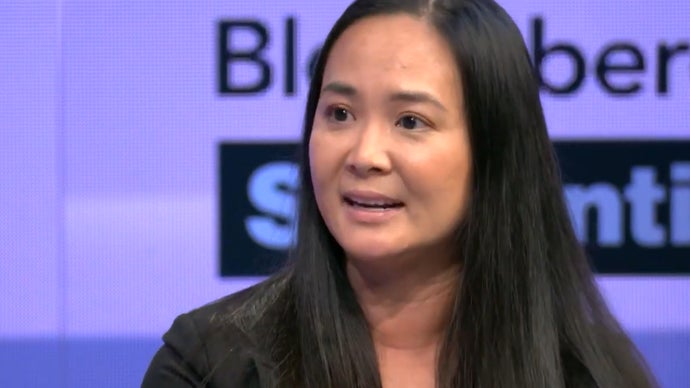
Leadership Shakeup: Helen Chiang Departs Xbox Following Brief Tenure as COO
In a sudden shift for Microsoft’s gaming division, Helen Chiang has vacated her position as the inaugural Chief Operating Officer (COO) of Xbox. Her departure comes just three months after she stepped into the high-level role, marking a swift conclusion to her time in the position.
Internal Communication and Transition Plans
The news was confirmed via an internal company memorandum dated October 23. Asha Sharma, the head of Xbox, addressed the staff regarding the change, noting, “I’m grateful for her years of service and wish her well.”
As the organization navigates this transition, the responsibilities previously held by Chiang will be redistributed among existing members of the executive team. Sharma indicated that the company is currently evaluating its long-term leadership structure, stating, “We’ll share more on COO leadership as plans are finalised.”
Context Surrounding the Exit
While the official corporate stance remains neutral, reports from Eurogamer have surfaced suggesting that Chiang’s exit was the result of “policy violations.” It is important to note that these claims remain unverified by independent sources. When pressed for comment on the nature of the departure, Xbox Vice President of Communications Kari Perez maintained the company’s standard privacy policy: “We don’t discuss individual personal matters. We’re grateful for Helen’s years of service and wish her well.”
Chiang’s appointment in July occurred during a period of significant turbulence for the gaming giant. Her tenure began amidst a massive corporate restructuring effort that saw Microsoft lay off approximately 3,200 employees and divest five of its gaming studios. This period of “right-sizing” reflects a broader trend in the tech industry, where companies are increasingly prioritizing operational efficiency over rapid expansion to combat shifting market demands and rising development costs.
The Scope of the COO Role
When Chiang was first tapped for the COO position, the mandate was extensive. Her responsibilities were designed to provide a holistic view of the business, encompassing “end-to-end P&L responsibility across content, hardware, and services.” This role was intended to bridge the gap between creative output and financial performance, a critical function as Xbox continues to pivot toward a multi-platform service model rather than relying solely on console hardware sales.
The departure of a key executive during such a pivotal fiscal quarter highlights the ongoing challenges Microsoft faces as it integrates its massive acquisitions and attempts to streamline its gaming ecosystem.