




Navigating the VPN Landscape in 2026: How to Choose Your Digital Shield
By 2026, the virtual private network (VPN) market has matured into a crowded ecosystem. While industry giants have standardized essential offerings-such as robust AES-256 encryption, expansive global server arrays, and seamless cross-platform compatibility-the true value of a service now lies in the nuances. Today, the deciding factors for consumers revolve around connection latency, the integrity of no-logs privacy policies, intuitive user interfaces, and the value proposition of bundled security suites.
Our latest analysis involved rigorous stress-testing of top-tier providers. We evaluated these services through the lens of specific user personas, ranging from high-bandwidth streamers and privacy-conscious activists to families requiring unlimited device connectivity and budget-conscious users seeking reliable free-tier options.
The Mechanics of VPN Technology: A Simplified Overview
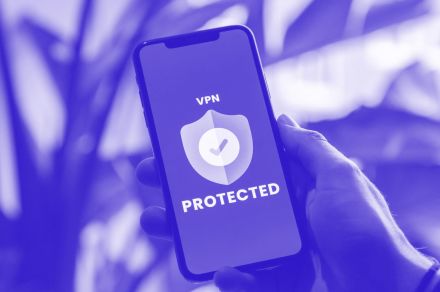
At its core, a VPN functions as a secure, encrypted tunnel that bridges your local device and a remote server, acting as an intermediary before your data hits the public web. This process effectively masks your digital footprint from your Internet Service Provider (ISP) and other third-party observers.
The handshake process is the foundation of this security. When you initiate a connection, your device and the VPN server authenticate one another, establishing a secure session using advanced protocols. Currently, the industry standard is shifting toward WireGuard, which is favored for its lean codebase and superior speed, though the legacy OpenVPN protocol remains a staple for its proven track record and reliability in bypassing restrictive firewalls.
Data Protection and Encryption Standards
Once the tunnel is established, your outgoing data-including the specific URLs you visit and the content you download-is obfuscated using sophisticated cryptographic ciphers. Whether utilizing the industry-standard AES-256 or the modern, high-performance ChaCha20, the goal remains the same: rendering your data unreadable to anyone intercepting the traffic.
Recent data suggests that over 40% of global internet users now utilize a VPN at least occasionally, driven by rising concerns over data harvesting and the prevalence of public Wi-Fi vulnerabilities. By routing your traffic through a remote server, you effectively replace your actual IP address with one belonging to the VPN provider, ensuring that your physical location and browsing habits remain shielded from prying eyes.