






We Love Green: A Genre-Defying Escape in the Heart of Paris
From avant-garde soundscapes to chart-topping anthems and gritty rock riffs, the three-day spectacle at Bois de Vincennes offered a masterclass in musical diversity.
- Reporting by: Megan Townsend | Photography: Kevin Lomprez, Tatiana Matillat, Isaac Ponseele, and Nicolas Cabrera
- Published: June 23, 2026
An Idyllic Prelude to the Sonic Storm
The atmosphere on this particular Friday afternoon is deceptively tranquil. As we navigate the verdant, tree-shaded pathways leading toward the festival grounds, the environment feels more like a quiet suburban retreat than the site of a major cultural event. The rhythmic thud of hooves from a neighboring equestrian facility and the cheerful, intermittent ringing of bicycle bells from local commuters create a pastoral soundtrack. It is a serene contrast to the high-octane energy that is about to unfold, offering little hint of the massive sonic transformation currently taking place within the Bois de Vincennes.
A Curated Tapestry of Sound
We Love Green has solidified its reputation as a cornerstone of the Parisian festival circuit, not merely by booking headliners, but by weaving together a complex narrative of genres. By bridging the gap between experimental electronic producers and mainstream pop icons, the festival caters to a remarkably broad demographic. This year’s programming felt particularly intentional, moving away from the rigid genre silos that often define summer festivals. Instead, attendees were treated to a fluid experience where a heavy rock set might bleed into the ethereal textures of an ambient performance, reflecting the eclectic listening habits of the modern music fan.
Sustainability Meets Spectacle
Beyond the stage, the festival continues to push the envelope regarding environmental responsibility. In an era where large-scale events are under increasing scrutiny for their carbon footprint, We Love Green remains a benchmark for eco-conscious production. Recent data suggests that festivals adopting similar circular economy models-such as on-site composting, renewable energy powering stages, and strict zero-waste catering-can reduce their environmental impact by up to 40%. This commitment to the planet adds a layer of depth to the experience; it is not just about the music, but about fostering a community that values the longevity of the spaces we inhabit.
The Pulse of the Bois de Vincennes
As the sun begins to dip, the transition from the quiet equestrian trails to the festival’s main thoroughfare is jarring in the best possible way. The air grows thick with anticipation, and the distant hum of soundchecks begins to vibrate through the ground. For those who have made the pilgrimage to this corner of Paris, the promise of the next three days is clear: a total immersion in a world where the boundaries of pop, rock, and electronic music are not just blurred, but entirely dismantled.
We Love Green: A Blueprint for Sustainable Festival Culture in Paris
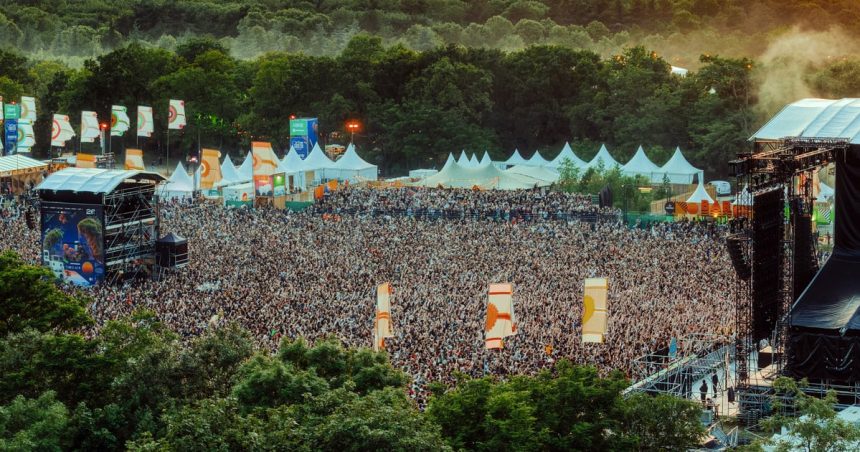
As you navigate the perimeter of the Bois de Vincennes, the sheer scale of the event becomes impossible to ignore. Situated within the sprawling greenery of Paris’ most expansive public park, We Love Green has cemented its status as a titan of the French festival circuit. Each year, the event draws a massive daily attendance of 40,000, culminating in a total footfall exceeding 100,000 visitors over its three-day duration.
Pioneering Eco-Conscious Entertainment
Since its inception in 2011, the festival has operated with a singular, ambitious vision: to prove that large-scale live music events can thrive without compromising the planet. We Love Green serves as a living laboratory for sustainability. The organizers have implemented a rigorous environmental framework, which includes powering the entire site with renewable energy, enforcing a strict ban on single-use plastics, and providing compostable sanitation facilities. Furthermore, the festival actively discourages private vehicle use, opting instead to promote public transit, while simultaneously mandating that all food vendors provide vegetarian menus and source beverages from local, low-carbon-footprint suppliers.
Read this next: Five things to expect from We Love Green 2026
A Diverse Sonic Landscape
True to its “eclectic” branding, the 2026 roster is a masterclass in genre-blending. The headlining slots are occupied by heavy hitters like Gorillaz, Addison Rae, and Theodora. The supporting bill is equally impressive, featuring high-caliber live performances from artists such as Little Simz, Soulwax, The xx, Overmono, Role Model, Oklou, and Dijon. For those seeking high-energy electronic music, the festival delivers a world-class DJ lineup, including heavyweights like Charlotte de Witte, HAAi, KETTAMA, KI/KI, Bambounou, DJ Gigola, and ¥ØU$UK€ ¥UK1MAT$U. This breadth of talent gives the event a distinct “mini-Primavera Sound” atmosphere, a comparison bolstered by the fact that many of these acts also perform at the Barcelona-based festival, which often runs during the same weekend.
The Atmosphere: A Study in Contrast
Beyond the music, the most striking element of We Love Green is the vibrant, multifaceted nature of its audience. The festival grounds are divided into five distinct stages, each cultivating a unique atmosphere. Upon arrival, guests are immediately drawn into Lalaland. This greenhouse-style, transparent marquee serves as the primary hub for electronic music. With its massive LED arrays and a central DJ booth flanked by dancers, it successfully replicates the high-octane energy of an Ibiza superclub. The demographic here is notably youthful and fashion-forward, with attendees sporting designer sunglasses and rhythmic fans, maintaining an infectious energy even as the Parisian afternoon clouds begin to gather.
Moving away from the intimate intensity of the marquee, one eventually reaches La Prairie. This massive, open-air main stage-framed by iconic relay towers-offers the quintessential festival experience. It is here that the true magnitude of the event is realized, as tens of thousands of fans congregate in a shared space that feels both monumental and remarkably well-organized.
A Symphony of Generations: The Eclectic Pulse of the Festival Experience
As the overcast skies finally break, a sea of festival-goers gathers to soak in the experimental violin-infused R&B of Sudan Archives. The atmosphere at La Clairière-the festival’s secondary hub-is a masterclass in demographic diversity. This expansive, tented arena, equipped with a high-fidelity sound system designed for immersive listening, serves as a microcosm of the entire event. You’ll find toddlers sporting oversized ear protection darting through the crowd, infants catching up on sleep in wagons, and parents sharing bottles of wine on picnic blankets alongside their grown-up children. Meanwhile, clusters of friends in coordinated outfits navigate the grounds, documenting their journey through the festival’s iconic landmarks.
The Think Tank: From Daytime Discourse to Nocturnal Energy
The festival’s dedicated speaking venue, the Think Tank, is a marvel of atmospheric transformation. During the daylight hours, it functions as a tranquil sanctuary where attendees can enjoy plant-based culinary offerings while engaging with thought-provoking comedy sets or intellectual panel discussions. However, as the sun dips below the horizon, the space undergoes a radical metamorphosis. It sheds its daytime skin to become a high-octane, underground rave environment. This gritty, compact space channels the raw intensity of the larger Lalaland stage, hosting electrifying performances like the high-energy Brazilian funk rhythms of Clementaum and the glitchy, hyper-digital soundscapes curated by Ninajirachi.
Headliners and Rising Stars: Defining the Festival Narrative
Every set at this festival feels curated to be a career-defining milestone. Friday night belonged to the Gorillaz, with Damon Albarn-sporting his signature beret-leading the charge through a nostalgic yet fresh catalog of hits. The performance was a collaborative spectacle, featuring appearances from heavy hitters like Omar Souleyman, Bootie Brown, and Pos of De La Soul. True to form, Albarn kept the energy sharp, even pausing during “On Melancholy Hill” to playfully chide the audience for not singing along with enough fervor.
The momentum continued with the meteoric rise of pop icon Addison Rae. Following a widely praised performance at Primavera just 24 hours prior, Rae proved exactly why she has become a cultural phenomenon. Her stage presence was magnetic, commanding the attention of the Parisian crowd as she powered through tracks like “New York,” “Fame is a Gun,” and “Diet Pepsi.” The intensity reached a fever pitch when she performed her vocal contribution to the A.G. Cook remix of Charli XCX’s “Von Dutch,” triggering a deafening roar from the audience that underscored her status as a modern pop powerhouse. By the time Sunday arrived, the main stage was once again bathed in golden light, setting the scene for the final act of this sonic journey.
We Love Green: A Deep Dive into the Festival’s Sonic Landscape
Bathed in the moody, warm glow of incandescent stage lighting, the recently reunited trio The xx captivated the audience, weaving a spellbinding tapestry that bridged the gap between their iconic anthems and fresh, experimental compositions.
Read this next: Public drinking banned at France’s Fête de la Musique due to extreme weather
The Lalaland Experience: From Daytime Lull to Midnight Mayhem
Operating on a schedule that defies the standard festival curfew, the Lalaland stage serves as the primary hub for We Love Green’s electronic programming, often keeping the dancefloor alive until 1:00 AM. The atmosphere, however, is a study in contrasts.
On Friday night, Ed Banger associate Tatyana Jane commanded the decks with a high-octane performance. Her set was a masterclass in momentum, highlighted by a gritty, high-energy remix of PinkPantheress’ “Tonight” that kept the crowd locked in. Conversely, the Sunday afternoon slot featuring KETTAMA felt somewhat disjointed. Despite the visual spectacle of cowboy hats and a sea of balloons, the fusion of trance and UK garage struggled to resonate with a crowd distracted by the lingering afternoon sun. It is a recurring theme at the festival: the daytime sets often lack the visceral punch of the late-night sessions, which consistently capture the true spirit of the event.
The Weekend’s Defining Moment: ¥ØU$UK€ ¥UK1MAT$U
If there was a singular peak to the weekend, it belonged to the Osaka-based virtuoso ¥ØU$UK€ ¥UK1MAT$U. Despite a grueling, non-stop international touring schedule, his ability to read the room remains unparalleled. His performance was a technical marvel, showcasing his signature multi-deck wizardry.
He navigated a relentless sonic journey, seamlessly stitching together aggressive, industrial-leaning tracks with classic Prodigy staples and obscure rave gems. The crowd reached a fever pitch during his homage to French house legends Daft Punk. By tearing through “Rollin’ & Scratchin’,” “One More Time,” and “Superheroes,” he didn’t just play music; he curated a moment of pure, unadulterated euphoria. It was, in every sense, a masterclass in festival performance.
Beyond the Main Stage: Unforgettable Moments at We Love Green
The magic of a festival often resides in the intimate, high-energy pockets found away from the primary headliners. At We Love Green, the atmosphere was electric, defined by artists who turned their sets into immersive experiences rather than mere performances. From cinematic visuals to raw, unfiltered musicality, the weekend was a masterclass in live curation.
Intimate Performances and Sonic Breakthroughs
US R&B sensation Dijon captivated the audience with a performance that felt like a private screening. Utilizing a camera setup reminiscent of the film Sound of Metal, the production zoomed in on the tactile details of his performance-the precise strike of a drumstick, the vibration of guitar strings-projected onto the screens at La Clairière. The highlight of his set was an unexpected, soulful cover of Justin Bieber’s “Love Yourself,” a poignant tribute to his frequent creative partner that left the Friday crowd spellbound.
Saturday saw the tented arena reach capacity for the experimental pop visionary Oklou. The energy was palpable as the audience belted out lyrics to fan favorites like “god’s chariot,” “Obvious,” and “Harvest Sky.” The connection between the artist and the crowd was undeniable, creating a communal space that felt both grand and deeply personal.
High-Octane Energy and Electronic Mastery
As the weekend progressed, the intensity shifted toward the electronic spectrum. Welsh brothers Overmono took the stage to showcase a blend of unreleased material from their upcoming project, Pure Devotion. Their set was a masterclass in bass-heavy production, featuring high-impact tracks like “Is U,” “Good Lies,” and “So U Kno.” The duo’s synergy was infectious, keeping the energy levels at a fever pitch for a relentless 90-minute performance.
The sibling theme continued into Sunday with the legendary Ghent-based outfit Soulwax. Performing during the sweltering afternoon, the group utilized their iconic, oversized analog equipment to craft a sprawling, hypnotic soundscape, anchored by the distinct vocal delivery of David Dewaele.
Read this next: Call Super & Parris select 10 summertime tracks for festival season
A Grand Finale
The festival reached its crescendo with a collaborative b2b set between London-based DJ HAAi and Parisian powerhouse Bambounou. As the final act of the weekend, they curated a high-energy closing sequence that included Ruff Driverz’ “Dreaming” and Timaya’s “Balance.” Even as the surrounding stages went dark and the beverage supplies dwindled, the audience remained completely locked in, seemingly immune to the reality of the impending work week or the trek home.
Operational Excellence
Beyond the music, We Love Green demonstrated remarkable logistical efficiency throughout its three-day duration. The event was notably free of the common “first-year” or “teething” issues that often plague large-scale gatherings. Scheduling was precise, with sets beginning exactly on time, while site navigation remained fluid even during peak hours. Furthermore, the transition to a cashless payment system was seamless, with the festival’s integrated app making wristband top-ups a stress-free experience for attendees.
We Love Green: A Balancing Act Between Sustainability and Corporate Expansion
Navigating the We Love Green festival experience this year felt remarkably seamless, bolstered by a digital interface that kept attendees well-informed. While the event is historically notorious for battling unpredictable, often dreary weather, this edition was graced by a rare stretch of sunshine, highlighting the event’s evolution into a highly efficient, well-oiled operation.
The Commercial Shift: AEG’s Growing Influence
However, the festival’s transformation into a sprawling, all-encompassing destination-rather than a collection of focused musical stages-raises questions about its identity. The site is now densely packed with an array of dining options, exclusive lounges, and high-profile brand activations. Much of this shift can be attributed to the festival’s deepening partnership with AEG. As the powerhouse behind global giants like Coachella and All Points East, AEG’s influence is palpable across the Bois de Vincennes grounds.
The landscape is now dotted with corporate footprints: Fever Tree gin stations, aggressive mobile network marketing campaigns, and tourism-sponsored VIP zones. For an event that built its reputation on eco-conscious, grassroots values, this influx of commercialism feels somewhat jarring. Furthermore, the festival’s commitment to environmental stewardship-specifically the strict decibel caps enforced to protect the local Bois de Vincennes ecosystem-creates a noticeable trade-off. While the preservation of wildlife is a commendable priority, it inevitably dampens the sonic intensity of the main stage as the evening sets in.
Preserving the Festival Spirit
Despite these growing pains, We Love Green successfully maintains a rare equilibrium, blending the convenience of an urban festival with the scale and ambition of a major music pilgrimage. As the final rays of Sunday’s sun hit the crowd, the atmosphere was electric, fueled by a diverse demographic and a thoughtfully curated lineup. The energy was reminiscent of the golden eras of London’s Wireless or the early 2010s iteration of Field Day-a nostalgic reminder of what makes a festival truly special.
Ultimately, We Love Green remains a vital fixture in the European circuit. The hope is that as it continues to grow alongside industry giants, it can safeguard the unique, vibrant spirit that defines it, ensuring that the music and the community remain the primary focus rather than the brand partnerships.
Megan Townsend serves as the Deputy Editor for Mixmag. You can reach her for inquiries or feedback here.