

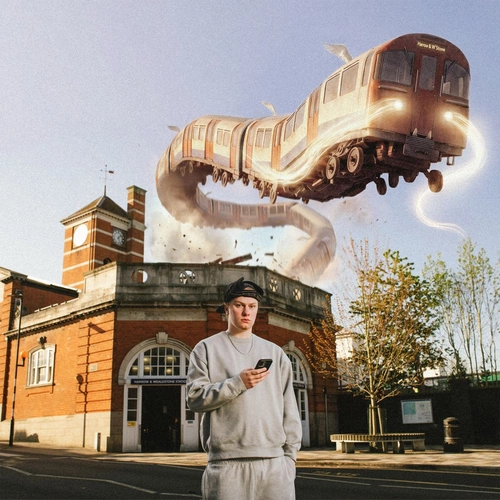

Kibo’s Kwengletaria:Ragamyff: A Futuristic Evolution of Grime
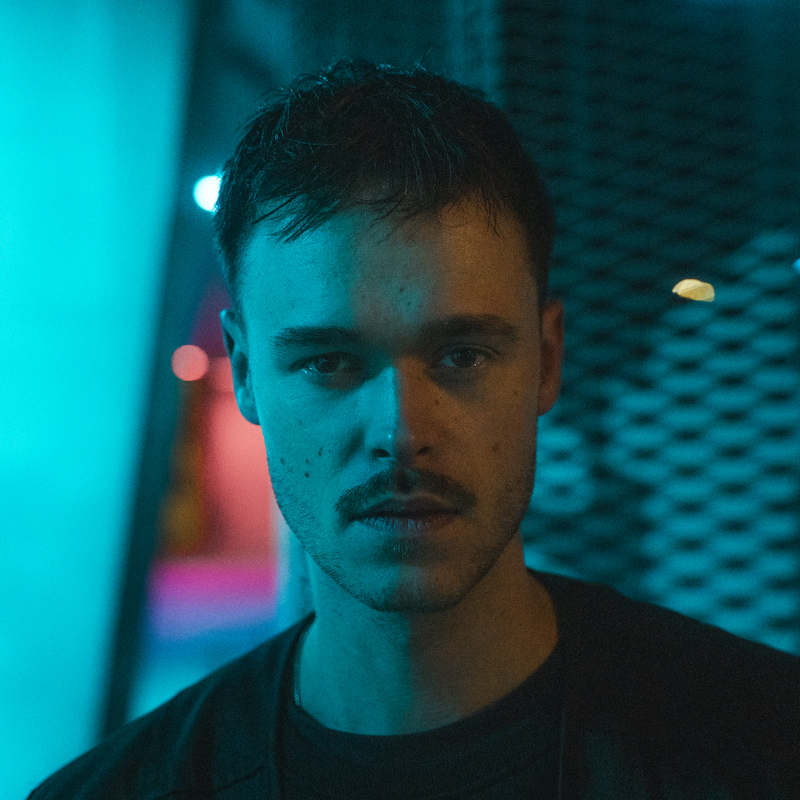
The artistic trajectory of Kibo is a testament to the power of evolving influences. While his childhood ambitions were rooted in the visual storytelling of comics and animation, a pivotal encounter with the Wu-Tang Clan shifted his focus toward the sonic landscape. This transition was solidified by his deep dive into the discography of MF DOOM, an artist whose intricate world-building became a blueprint for Kibo’s own creative process.
On his latest project, Kwengletaria:Ragamyff, the shadow of DOOM is present, yet Kibo avoids the trap of imitation. Instead, he synthesizes these inspirations into a distinct, irreverent, and deeply personal worldview.
Beyond the Nostalgia: A New Sonic Blueprint
While many artists in the current scene are content to recycle the aesthetics of the early 2000s, Kibo treats the foundations of grime as a starting point rather than a destination. Kwengletaria:Ragamyff is not a nostalgic trip through “Eskibeat” or a derivative update of the Grime 2.0 era. It is a forward-thinking expansion of the genre’s DNA.
By applying his unique methodology to diverse tempos and textures, Kibo has crafted a soundscape that feels both familiar and alien. He successfully bridges the gap between the raw energy of North West London’s heritage and the experimental possibilities of 2026 production.
Genre-Bending and Sonic Exploration
The versatility displayed across this project is striking. Kibo refuses to be tethered to a single tempo or mood, opting instead to traverse a wide spectrum of electronic and urban music:
* R&B and Drill Fusion: On “Red Starz,” the Harrow-based MC pivots to a smoother, R&B-inflected delivery, proving his ability to handle slower, more melodic pockets. Meanwhile, “Bakerloo Dragon” masterfully navigates the tension between grime’s percussive bite and the dark, sliding basslines of drill.
* Global and Experimental Textures: The project isn’t afraid to look outward. “Zero Fux (Sim Card Samurai)” is a standout, blending Eastern-inspired melodies with the breakneck pace of jungle.
* Niche Electronic Influences: Kibo pushes boundaries further by incorporating “donk” elements on “ShubzOnline” and leaning into the futuristic garage and 2-step rhythms found on “Headside In Da Skiez (Babycham Supernova).”
* Industrial and Dub Undertones: Tracks like “Parrow-On-Da-Hill” explore the cavernous depths of dub, while “Our War Game” carries an aggressive, industrial energy reminiscent of the legendary Mad Capsule Markets.
The Evolution of the Channel U Mythos
For those who grew up during the golden age of Channel U, Kibo’s work serves as a bridge between that foundational era and a high-concept future. He has successfully taken the gritty, DIY spirit of his early years and projected it into a sci-fi-inspired reality.
Where his previous work might have been confined by the limitations of the genre, Kwengletaria:Ragamyff breaks those walls down. The references have shifted from Saturday morning cartoons to the complex narratives of modern anime and speculative sci-fi, as evidenced by the thematic depth of “Woke Up In A Gundam.”
A Visionary in His Prime
The label of “visionary” is often thrown around loosely in music journalism, but Kibo has earned the respect of both his peers and the legends who paved the way. With Kwengletaria:Ragamyff, he moves beyond the hype to deliver a project that is as technically accomplished as it is conceptually daring.

This is an artist who has mastered the art of the pivot, ensuring that while