



The Future of PlayStation: Sony’s Shift Toward Flexible Gaming Hardware
As gaming habits evolve, the traditional “living room console” model is undergoing a significant transformation. Hideaki Nishino, CEO of Sony Interactive Entertainment, recently hinted that the future of the PlayStation brand may lean heavily into hybrid, portable-friendly hardware designed to meet the demands of modern, mobile-first gamers.
Reaffirming the Commitment to Dedicated Hardware
In a recent discussion celebrating the 40th anniversary of Famitsu, Nishino addressed the long-term viability of dedicated gaming machines. Despite the rise of cloud-based gaming and mobile alternatives, Nishino remains steadfast in his conviction that specialized hardware is vital. He explicitly stated that his perspective from 2024-that consoles are here to stay-remains unchanged. Sony intends to remain a key player in the hardware space, continuing to engineer proprietary systems that deliver premium gaming experiences.
Prioritizing Accessibility and “Pick-Up-And-Play”
The core philosophy driving Sony’s next generation of hardware is accessibility. Nishino emphasized that the modern player values convenience above all else. To capture this audience, Sony is looking to integrate technologies that allow for seamless transitions between different environments.
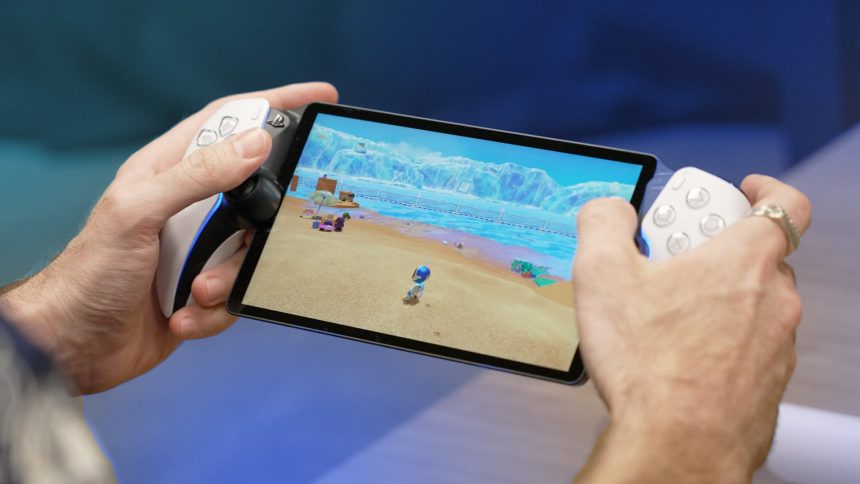
Rather than tethering the PlayStation experience exclusively to a television, the company is expanding its ecosystem. This includes the rollout of specialized monitors and audio equipment designed to make gaming comfortable in bedrooms, offices, or travel settings. This strategy is a direct evolution of the PlayStation Portal, which serves as a bridge between traditional console power and portable convenience.
A History of Portable Innovation
Sony’s interest in mobile gaming is far from a new development. The company has a storied history of experimenting with form factors that break away from the standard console-and-TV setup:
* Early Experiments: From the PSone’s attachable LCD screen to the niche PocketStation, Sony has long explored ways to make gaming mobile.
* Dedicated Handhelds: The PSP and PS Vita remain iconic examples of Sony’s ambition to dominate the portable market.
* Modern Ecosystems: Today, the PlayStation Portal and PlayStation VR represent the latest iteration of this “beyond the TV” strategy.
The Rise of Cloud Streaming
A pivotal component of this strategy is the expansion of cloud streaming capabilities. Since the November 2025 update, the PlayStation Portal has evolved from a simple remote-play device into a standalone streaming powerhouse. By bypassing the need for a local PS5, players can enjoy high-fidelity gaming anywhere with a stable connection.
The data supports this shift in consumer behavior. According to Nishino, cloud streaming adoption is accelerating rapidly. In a notable surge, the user base for cloud streaming in January 2026 saw a 50% increase compared to the previous month, signaling that players are increasingly comfortable decoupling their gaming sessions from their home consoles.
Adapting to Changing Lifestyles
Nishino acknowledges that while gaming remains a cornerstone of global entertainment, the way people live their lives is in constant flux. The challenge for hardware developers is no longer just about raw graphical power; it is about creating versatile devices that fit into the fragmented schedules of today’s players.
By exploring a variety of experimental ideas and form factors, Sony aims to remain agile. As Nishino noted, the goal is to continue iterating and testing new concepts, ensuring that the PlayStation brand remains relevant whether the player is sitting on their couch or on the move. This commitment to innovation suggests that while the “PlayStation” name will endure, the physical devices bearing that logo may look very different in the years to come.


Sony’s Strategic Pivot: Exclusive Titles and the Future of the PS6
Sony is recalibrating its approach to the gaming market, signaling a significant shift in how it handles its first-party library. Recent updates to the company’s launch strategy suggest a move away from the simultaneous PC releases that characterized the last few years, at least for narrative-driven, single-player experiences.
A New Era for PlayStation Exclusivity
Hideaki Nishino, a key figure in Sony’s leadership, has clarified that the company is prioritizing PS5-exclusive launches for its flagship single-player titles. This strategy aims to reinforce the value of the console hardware. However, this does not mean the end of PC ports entirely. Sony intends to maintain a flexible, case-by-case evaluation process, opting for PC releases only when they believe it will “maximize the gaming experience.”
Conversely, the company’s live-service portfolio is expected to follow a different trajectory. To ensure these titles maintain a healthy, sustainable player base, Sony is likely to continue launching them on both PS5 and PC simultaneously.
The PS6: High Costs and Hardware Speculation
As the industry looks toward the next generation, the PlayStation 6 has become the subject of intense speculation. While rumors have floated ideas ranging from a hybrid, dockable console to a modular system featuring a dedicated handheld component, the most pressing concern for consumers is the potential price point.
Economic headwinds are mounting. With the recent market reaction to high-end hardware-such as the sticker shock surrounding Valve’s Steam Deck and other premium PC gaming devices-analysts are concerned about the trajectory of console pricing. Industry experts and memory manufacturers have pointed to rising component costs, particularly in high-speed RAM, which could push the retail price of next-gen consoles beyond the $1,000 threshold. Reports suggest that Sony is acutely aware of this “sticker shock” risk and may even delay the PS6 launch until 2028 or 2029 to better navigate the current AI-driven chip supply crisis and stabilize production costs.
Handheld Ambitions and Tiered Models
The conversation surrounding a potential PS6 handheld is not new. Previous industry reports have hinted at a device capable of docking and offering full backward compatibility with the vast libraries of the PS4 and PS5.
Furthermore, there is ongoing chatter regarding a “PS6 S” variant. Much like the relationship between the Xbox Series S and the Series X, this hypothetical model would likely serve as a more accessible, entry-level version of the flagship console. By offering a tiered hardware lineup, Sony could potentially mitigate the impact of high manufacturing costs while still providing a path for budget-conscious gamers to enter the next generation.
As the hardware landscape evolves, Sony’s ability to balance premium performance with consumer affordability will be the defining challenge of the coming years.
Strategic Insights: Navigating Modern Industry Standards
In today’s rapidly evolving digital landscape, staying ahead requires more than just keeping pace; it demands a fundamental shift in how we approach operational efficiency and brand authority. As market dynamics fluctuate, the ability to synthesize complex data into actionable strategies has become the primary differentiator between industry leaders and those struggling to maintain relevance.
The Evolution of Operational Excellence
The traditional models of business management are undergoing a significant transformation. Where once companies relied on rigid, top-down hierarchies, the current climate favors agility and data-driven decision-making. Recent industry reports indicate that organizations prioritizing digital integration see a 25% increase in productivity compared to their more traditional counterparts.
To achieve this level of performance, leaders must move beyond legacy systems. Instead of viewing technology as a mere support function, it should be treated as the core engine of growth. This involves:
* Automating Routine Workflows: By offloading repetitive tasks to intelligent systems, human capital is freed to focus on high-value creative and strategic initiatives.
* Leveraging Real-Time Analytics: Data is no longer a retrospective tool; it is a predictive asset. Utilizing live metrics allows for immediate pivots in strategy, minimizing risk and maximizing ROI.
* Cultivating a Culture of Adaptability: The most successful teams are those that view change as an opportunity rather than a disruption.
Redefining Competitive Advantage
In a saturated market, the “one-size-fits-all” approach is effectively obsolete. Modern consumers and B2B partners alike demand hyper-personalized experiences. This shift necessitates a deeper understanding of user intent.
Consider the analogy of a master navigator: in the past, a static map was sufficient to reach a destination. Today, however, the terrain changes hourly. To succeed, you need a GPS system that accounts for traffic, weather, and road closures in real-time. Your business strategy requires the same level of dynamic responsiveness.
Key Pillars for Sustainable Growth
- Customer-Centric Architecture: Every touchpoint should be designed with the end-user’s journey in mind. If a process adds friction without adding value, it must be eliminated.
- Scalable Infrastructure: As your reach expands, your systems must be capable of handling increased load without compromising speed or security.
- Strategic Partnerships: No entity operates in a vacuum. Aligning with complementary service providers can bridge capability gaps and accelerate time-to-market.
Future-Proofing Your Organization
Looking ahead, the integration of advanced machine learning and automated intelligence will continue to redefine the boundaries of what is possible. According to recent projections, companies that successfully implement AI-driven customer insights are expected to outperform their competitors by nearly 30% in profitability by 2026.
The path forward is clear: prioritize transparency, invest in robust technological frameworks, and remain relentlessly focused on the evolving needs of your audience. By embracing these principles, you ensure that your organization is not just surviving the current market cycle, but actively shaping the future of your industry.