





Reliving 1066: A Journey Through the Historic Battlefields of Sussex
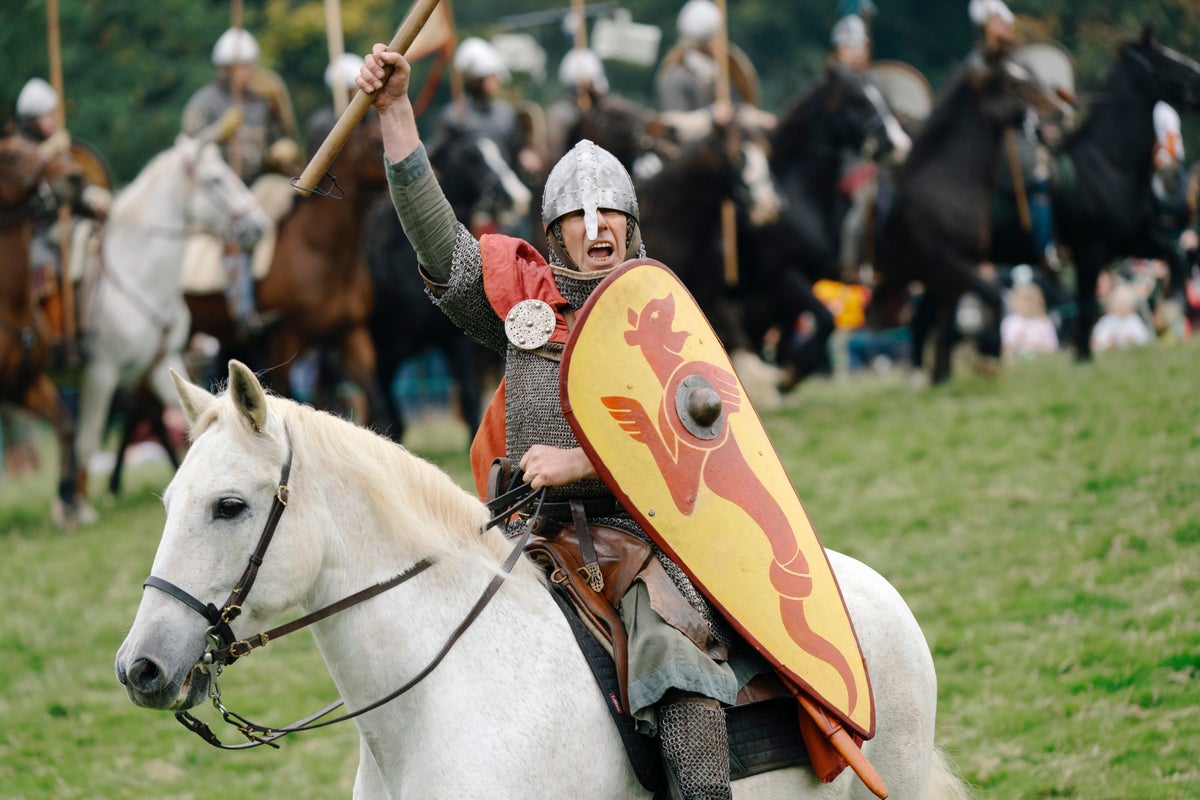
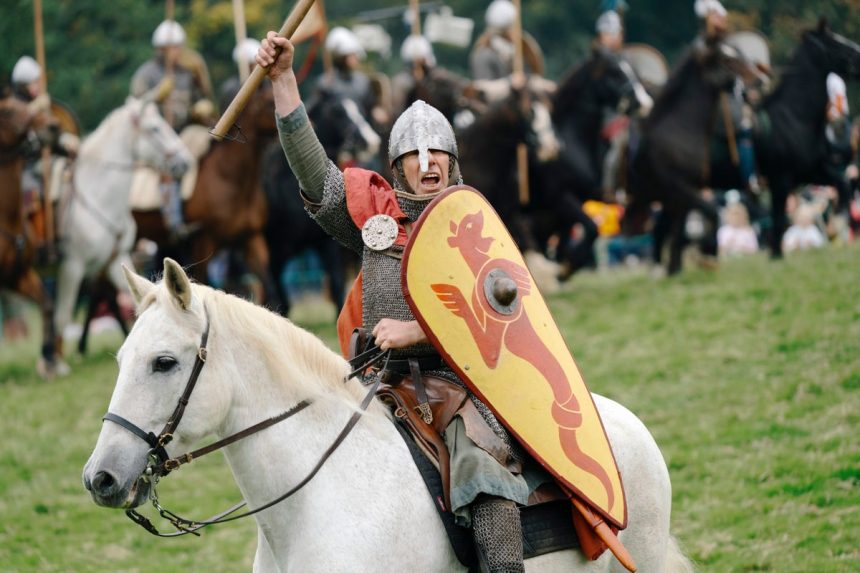
The rolling green slopes of Senlac Hill, located within the grounds of Battle Abbey, serve as a living time capsule. It was here, nearly a millennium ago, that the course of English history was irrevocably altered. Today, visitors can witness the clash of cultures firsthand as elite reenactors don the mantle of Saxon huscarls and Norman knights, bringing the visceral intensity of the 1066 conflict to life.
The Art of Medieval Warfare
Standing amidst the historic site, Taran, a lead Saxon chieftain, offers a glimpse into the brutal reality of the era. He highlights the sheer terror a Dane axe-a weapon capable of decapitating a warhorse-instilled in the invading Norman cavalry. For the Normans, who prided themselves on the chivalric codes of mounted combat, such raw, unrefined power was viewed as deeply dishonorable.
The experience is not merely for spectators; it is an immersive education. Younger visitors are frequently invited to participate in mock skirmishes, trading beanbag “sling bullets” to understand the tactical chaos that defined ancient missile warfare.
A Milestone Year for History Enthusiasts
As we approach 2026, the significance of this location reaches a fever pitch. This year marks the 960th anniversary of the Battle of Hastings and the 60th anniversary of the annual reenactment event. Beyond the battlefield, a monumental cultural event is on the horizon: the Bayeux Tapestry is slated to arrive in Britain.
This legendary 70-meter-long embroidery, which chronicles the Norman Conquest, has rarely left its home in France. Its history of travel is brief and storied-once moved by Napoleon Bonaparte for a Parisian exhibition and again relocated for protection during the Second World War. Its upcoming residency at the British Museum represents a rare opportunity for the public to view this primary source of medieval history on British soil.
Enhancing the Visitor Experience at Battle Abbey
English Heritage has invested heavily in modernizing the narrative at Battle Abbey. A state-of-the-art 1066 exhibition is now a centerpiece of the visitor center, designed to provide deeper context for the events that unfolded on these grounds. Furthermore, the site has been updated with new interpretive signage that guides guests through the landscape, complementing the existing trail of life-size wooden sculptures that depict the warriors of both sides.
James Witcombe, the site manager, notes that there has never been a better time to engage with the “blood-curdling” legacy of the Norman Conquest. The site serves as a bridge between the modern world and the brutal, transformative reality of the 11th century.
Beyond the Abbey: The Norman Footprint
The story of 1066 is not confined to a single field. It begins roughly 17 miles away at Pevensey, the site where William the Conqueror’s fleet first made landfall on September 28, 1066. William was a master of military engineering, repurposing ancient Roman fortifications to establish Pevensey Castle.
Today, Pevensey offers a multi-layered historical experience. Visitors can explore:
* The 1940s Command Post: A fascinating look at how the castle was repurposed for coastal defense during the Second World War.
* The Norman Keep: A challenging climb that rewards visitors with panoramic views of the English Channel from 13th-century ramparts.
* Interactive Quests: Families can engage with the “Pevensey Castle Code,” a scavenger hunt that encourages children to uncover the secrets of the dungeon and the castle’s long history of sieges.



Exploring the Sussex Weald
The region surrounding Hastings, Bexhill, and Rye is a treasure trove for those interested in medieval architecture. The landscape is dotted with defensive keeps, hidden “murder holes,” and imposing turrets.
For a truly authentic experience, travelers are encouraged to move beyond the standard tourist
Exploring the Historic Heart of 1066 Country: A Journey Through Time
If you are looking to immerse yourself in the rich tapestry of English history while enjoying the tranquility of the countryside, the region surrounding the Kent & East Sussex Railway (KESR) offers an unparalleled escape. Stretching between the charming town of Tenterden and the historic village of Bodiam, this heritage railway serves as the perfect gateway to some of the UK’s most iconic landmarks.
Trails, Trains, and Timeless Landscapes
For those who prefer to explore on foot, the KESR provides a unique “Walk and Ride” initiative. This program features six curated trails that seamlessly integrate train travel with scenic hikes. These routes are designed to showcase the best of the High Weald National Landscape, allowing visitors to hop off the train and wander through ancient woodlands and rolling meadows before catching a later service back.
A highlight for many is the 1066 Country Walk. This 31-mile long-distance path connects the coastal beauty of Rye with the historic ruins of Pevensey Castle. During a recent trek through the Battle Great Wood, the path felt alive with nature; foxgloves and wild orchids lined the trail, while the canopy of birch, hornbeam, and sweet chestnut provided a cooling, dappled shade.
Along this route, you will encounter the “Hidden Truths” art installation by Keith Pettit. These ten wooden sculptures, inspired by the Bayeux Tapestry, offer a tactile connection to the past. Standing before the intricately carved crown, one can peer through the gaps in the wood to see soldiers depicted in the heat of combat-a poignant reminder of the conflict that shaped this land.
Medieval Marvels and Modern Comforts
Staying in the area offers a chance to disconnect from the digital world. I opted for a stay in a sustainable “hop picker” hut near the Bodiam terminus. These solar-powered cabins are nestled in quiet clearings, where the soundtrack is provided by local wildlife rather than traffic. After a day of exploring, there is nothing quite like enjoying a traditional ploughman’s lunch at a local pub, followed by a sunset walk through barley fields and orchards, with the silhouette of Bodiam Castle looming in the distance.
Bodiam Castle itself remains a quintessential example of 14th-century military architecture. Its moat-encircled walls and imposing gatehouse-complete with “murder holes” designed to deter invaders with boiling water and sand-are a testament to medieval ingenuity. While the castle is a site of historical gravity, it is far from stagnant. During the summer months, the grounds come alive with interactive events. From archery lessons to circus skills workshops, the castle offers a vibrant, family-friendly atmosphere that brings the medieval era into the present day.
Stepping onto the Battlefield
No trip to this region is complete without visiting Battle Abbey, the site of the legendary 1066 conflict. This is where the fate of England was decided, and today, the site offers an immersive experience that goes beyond static displays.
Visitors can participate in “sword school” or cavalry training, gaining a hands-on understanding of the tactics used by King Harold’s forces. Engaging with replica weaponry-from launching catapults to mastering the longbow-provides a visceral sense of the challenges faced by soldiers nearly a millennium ago.
Learning the art of spear-throwing from experts like Taran, who emphasizes the importance of the counterbalance, reveals the technical skill required in ancient warfare. It is a humbling experience; what appears effortless in the hands of a professional huscarl is, in reality, a complex discipline. Whether you are a history buff or simply a lover of the great outdoors, the 1066 country offers a rare opportunity to walk the same paths as our ancestors while enjoying the serene beauty of the modern English landscape.
Mastering the Medieval Arts: A Guide to Visiting Battle and 1066 Country
Attempting to hurl a spear with the grace of an 11th-century warrior is a humbling experience. My instructor’s voice cuts through the air: “Stop twisting your torso; keep your hips squared toward the mark.” Despite the advice, my projectile barely travels a few feet, thudding harmlessly into the grass. The imaginary enemy lines remain entirely undisturbed.
If you have ever wanted to step back into the shoes of a Norman soldier or simply explore the site that fundamentally altered the course of English history, a trip to Battle is essential. Beyond the reenactments, this region offers a unique blend of historical immersion and outdoor adventure.
Planning Your Historical Expedition
Reaching the site of the 1066 conflict is straightforward for those traveling from the capital. Both Southeastern and Southern rail services provide frequent connections from major hubs including London Bridge, Victoria, Charing Cross, and St Pancras. The journey to Hastings typically clocks in at just under two hours, making it an ideal day trip or weekend escape.
Key Historical Sites and Events:
- Battle Abbey: This iconic site is open to the public daily throughout the summer months. Adult admission begins at £15.38, with child tickets priced at £7.65.
- The Annual Reenactment: For the most authentic experience, mark your calendar for the annual Battle of Hastings reenactment, held October 10-11. Gates are open from 10am to 5pm. Tickets start at £24 for adults and £14 for children.
- The Bayeux Tapestry: While the original remains in France, the British Museum is hosting a significant exhibition featuring the tapestry from September 10 through July 11, 2027. Be sure to secure your tickets when they go on sale starting July 1.
Where to Rest Your Head
For those looking to extend their stay, the area offers more than just standard hotel rooms. If you prefer a rustic, nature-focused retreat, consider the accommodations at The Original Hut Company. Their charming cabins start at £120 per night, while those bringing their own gear can secure tent pitches from £25 per night.
The site is designed for relaxation and activity alike, featuring an on-site café and a rejuvenating sauna-available for £20 per 75-minute session. If you are looking to add some adrenaline to your historical tour, the team at Epic Life offers a variety of river-based excursions and outdoor challenges to round out your trip.
Note: This travel experience was made possible through the support of English Heritage and Visit 1066 Country.



![[Interview] Jack Emery Discusses EP, Recent Tour, and Upcoming Plans](https://www.mixtv1.com/wp-content/uploads/2026/07/8989-attachment.jpg)