
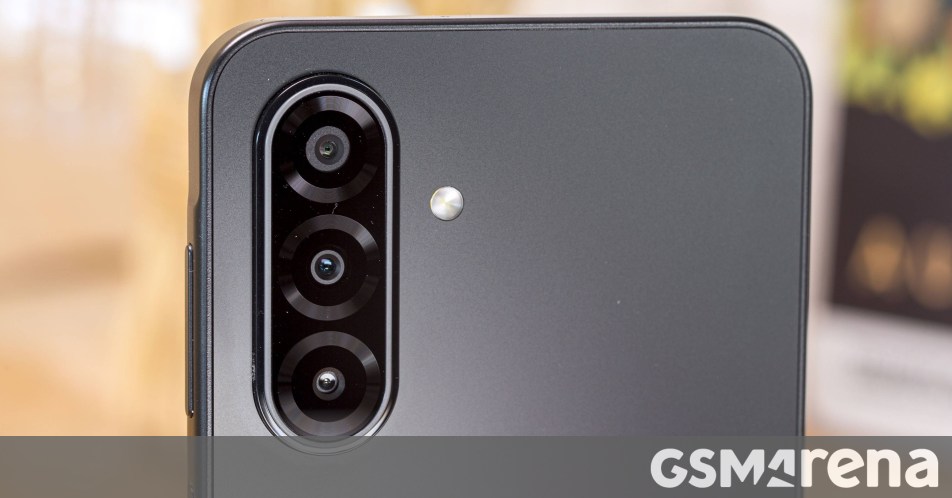






Shifting Strategies: Samsung Galaxy A18 Moves Away from Exynos
Samsung is reportedly shaking up the internal hardware strategy for its upcoming budget-friendly lineup. While the previous generation-the Galaxy A17-relied on a mix of MediaTek’s Helio G99 for the 4G variant and Samsung’s own Exynos 1330 for the 5G model, the upcoming Galaxy A18 series is set to take a different path.
According to recent insights from ZDNet Korea, Samsung is planning to phase out its proprietary Exynos silicon for the entire Galaxy A18 range. This strategic pivot suggests a significant change in how the tech giant manages its entry-level hardware ecosystem.
A New Silicon Roadmap
Industry reports indicate that the Galaxy A18 4G will transition to a MediaTek processor, while the 5G-capable version is expected to feature a Qualcomm chipset. While the specific model numbers for these processors remain under wraps, the primary driver behind this decision appears to be cost optimization. By sourcing third-party chips, Samsung may be looking to maintain competitive pricing in the saturated budget smartphone market, where margins are notoriously thin.
Production Timelines and Market Rollout
The release schedule for the A18 series appears to be staggered. Samsung is prioritizing the 4G model, with mass production slated to kick off in August. The 5G variant is expected to follow a few months later, with its production schedule contingent on the availability and readiness of Qualcomm’s hardware.
To put the scale of this launch into perspective, Samsung has outlined an aggressive manufacturing roadmap for the 4G model:
- August: Initial pilot production of 100,000 units.
- September: Scaling up to 2.4 million units.
- October: Reaching a peak output of 2.5 million units.
It is important to note that these figures are projections. As is common in the global supply chain, these numbers remain fluid and could be adjusted based on shifting consumer demand, component availability, or broader economic conditions.
Why the Change Matters
For consumers, this shift represents a departure from the “in-house” approach that has defined many of Samsung’s recent mid-range and budget devices. By moving to Qualcomm for the 5G model, Samsung may be aiming to leverage the proven efficiency and modem performance often associated with Snapdragon chips, potentially offering a more stable 5G experience for users in regions where network connectivity is a priority.
As we look toward the official announcement, the move away from Exynos in the A-series suggests that Samsung is prioritizing supply chain flexibility and cost-efficiency over vertical integration for its entry-level devices. Whether this results in better performance for the end-user remains to be seen, but it certainly marks a notable chapter in the evolution of the Galaxy A-series.
Are you still considering the previous generation? Current market data shows the Samsung Galaxy A17 remains a popular choice for budget-conscious buyers. You can find the latest pricing and availability for the 128GB and 256GB models through our retail partners below.