




Uncovering Apple’s Secret “B790” Wearable: What the iOS 27 Code Reveals
The tech community is buzzing following a recent discovery by X user @samhenrigold, who identified a mysterious entry within the iOS 27 source code. The data points to an unreleased Apple wearable currently identified by the model number B790. While the internal documentation is sparse, it explicitly links this hardware to the company’s advanced Visual Intelligence framework.
Understanding Visual Intelligence Integration
For those unfamiliar with the latest software updates, Visual Intelligence represents a significant leap in how iPhones interact with the physical world. By leveraging the native Camera app on devices like the iPhone 15 Pro and subsequent models, users can prompt Siri to analyze their surroundings. Whether it is identifying corporate logos, transcribing text, or providing historical context for landmarks, the system acts as a digital layer over reality.
The inclusion of this feature in the B790’s code is a definitive indicator that the device is equipped with an integrated camera system. Without optical input, the device would be unable to process the visual data required for these recognition tasks.
Speculating on the B790 Form Factor
The industry is currently debating what this hardware might actually look like. Given Apple’s recent pivot in its wearable strategy, several theories have emerged:
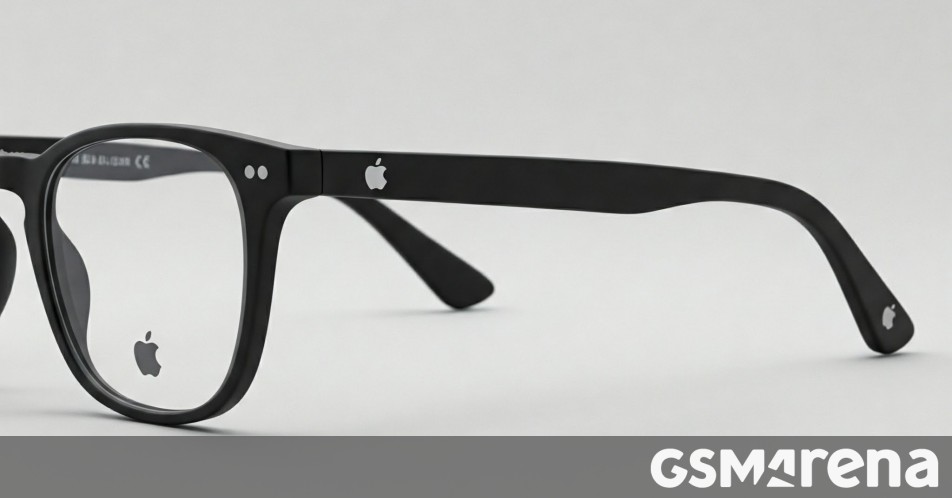
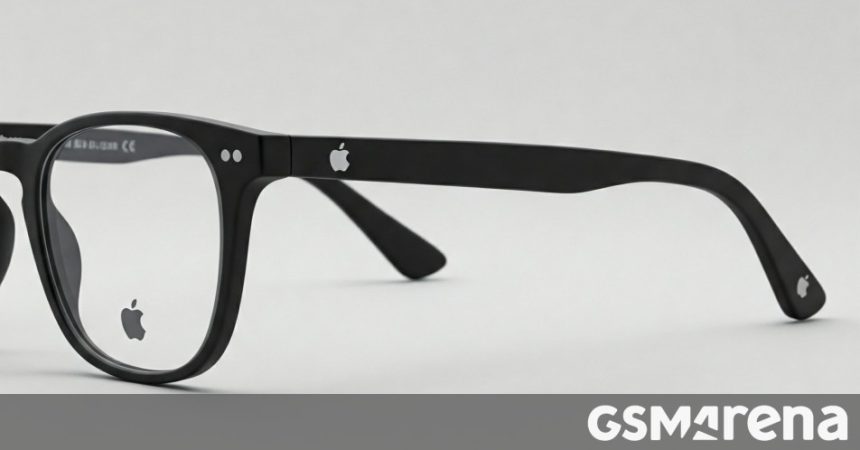
- Smart Glasses: Many analysts believe this could be the first concrete evidence of Apple’s long-rumored mixed-reality smart glasses. Such a device would be the perfect vessel for Visual Intelligence, allowing for hands-free, real-time environmental analysis.
- Advanced Hearables: While there was initial speculation regarding camera-equipped AirPods, recent reports suggest that Apple has officially halted the development of the “AirPods Ultra” project. This makes a camera-integrated earbud unlikely for the B790.
The Future of Apple’s Wearable Ecosystem
As of 2024, the wearable market is shifting toward “ambient computing”-technology that works in the background to assist the user without requiring a screen-based interface. By embedding Visual Intelligence into a new wearable, Apple is clearly aiming to reduce the friction between human intent and digital assistance.
While the B790 remains shrouded in mystery, its existence confirms that Apple is aggressively pursuing hardware that can “see” the world as we do. Whether this manifests as a sleek pair of spectacles or an entirely new category of device, the integration of Visual Intelligence suggests that the next generation of Apple wearables will be far more than just fitness trackers or notification mirrors.
For further details on the discovery, you can view the original findings here.