




Universal
The Cinematic Evolution of the Oz Mythos
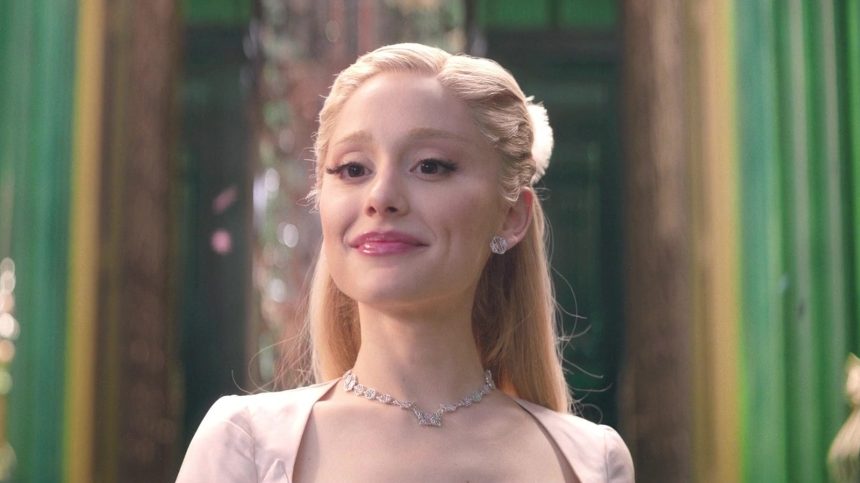
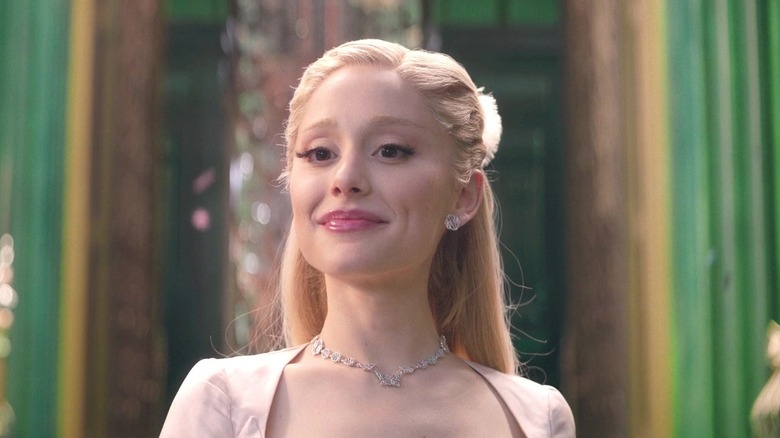
The highly anticipated follow-up, Wicked: For Good, directed by Jon M. Chu, represents the grand finale of the ambitious two-part cinematic reimagining of the legendary Broadway production. Written by Stephen Schwartz and Winnie Holzman, the stage musical itself was a subversive take on Gregory Maguire’s 1995 literary hit, Wicked. Maguire’s work famously flipped the script on the traditional Oz narrative, offering a sympathetic, deep-dive origin story for Elphaba, the misunderstood figure history remembers as the Wicked Witch of the West.
From Literary Roots to Streaming Dominance
While the modern franchise draws heavily from the cultural bedrock of L. Frank Baum’s 1900 classic, The Wonderful Wizard of Oz, it owes much of its visual language to the iconic 1939 MGM film. Margaret Hamilton’s definitive portrayal of the Witch set a high bar that contemporary adaptations have spent decades deconstructing. By humanizing the antagonist, the Wicked series has managed to capture a new generation of viewers, proving that the appetite for high-fantasy musical epics remains insatiable.
Box Office Momentum and Digital Reach
The momentum for this sequel is bolstered by the massive commercial performance of 2024’s Wicked: Part I. As the industry shifts toward hybrid distribution models, the transition of this star-studded production to streaming platforms like Netflix highlights a broader trend: major theatrical tentpoles are finding unprecedented longevity in the digital space. With the first installment grossing over $700 million globally, the anticipation for the conclusion of Elphaba and Glinda’s journey is at an all-time high, positioning Wicked: For Good to dominate streaming charts throughout the coming season.



![[Event Review] Mayan Warrior Makes Epic Chicago Debut at Union Park](https://www.mixtv1.com/wp-content/uploads/2026/07/14463-attachment.jpg)
