




The Evolution of Power: Samsung’s Shift to Silicon-Carbon Battery Technology
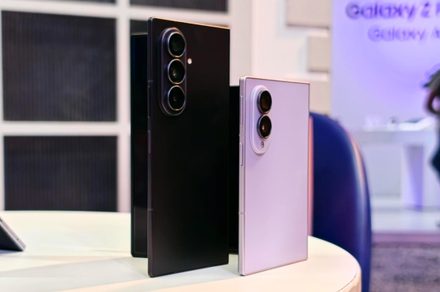
Samsung has officially entered the competitive arena of silicon-carbon battery integration, quietly equipping its newest flagship foldable lineup with this advanced power storage technology. While these hardware upgrades were not prominently highlighted in initial marketing materials, the company verified during recent press events that the Galaxy Z Fold 8 Ultra, the standard Galaxy Z Fold 8, and the compact Galaxy Z Flip 8 all utilize this next-generation chemistry.
Analyzing Capacity vs. Efficiency
At first glance, the raw capacity numbers might seem modest compared to industry trends. The Z Fold 8 Ultra features a 5,000mAh cell, the base Z Fold 8 houses 4,800mAh, and the Z Flip 8 is powered by a 4,300mAh battery. While competitors like Honor and Motorola have pushed boundaries by exceeding the 6,000mAh threshold in some models, Samsung’s approach prioritizes density and longevity over sheer volume.
It is important to note that in the world of mobile power, capacity is only one piece of the puzzle. The transition to silicon-carbon allows for a more compact physical footprint, which is critical for maintaining the slim, ergonomic profiles that foldable users demand.
Understanding Silicon-Carbon Chemistry
At their core, silicon-carbon batteries are a sophisticated evolution of traditional lithium-ion technology. The primary innovation lies within the anode-the electrode tasked with managing the flow of lithium ions.
In standard batteries, manufacturers rely on graphite to facilitate this process. However, silicon possesses a significantly higher capacity for lithium storage by weight. By incorporating silicon into the anode structure, engineers can achieve a much higher energy density. Think of it like upgrading from a standard storage locker to a high-density filing system; you are not necessarily increasing the size of the room, but you are drastically increasing how much information you can store within the same square footage.
Why This Matters for Future Devices
The move toward higher energy density provides smartphone manufacturers with two distinct strategic advantages:
- Slimmer Hardware: By packing more power into a smaller space, companies can reduce the overall thickness of the device without sacrificing battery life.
- Extended Longevity: Increased density allows for more efficient power management, potentially slowing the degradation of the battery over hundreds of charge cycles.
As the industry continues to move away from traditional graphite-based anodes, Samsung’s adoption of this tech signals a shift toward more efficient, high-performance mobile hardware.