





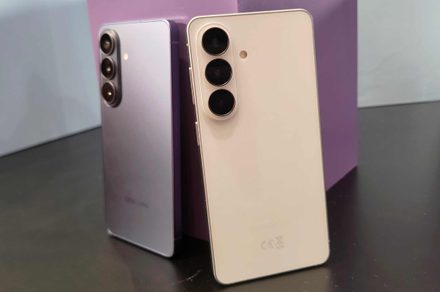
A Shift in Strategy: Why the Galaxy S27 May Ditch Samsung Sensors for Sony
For several years, the standard Samsung Galaxy S lineup has relied on a familiar, albeit aging, camera foundation. Since the launch of the Galaxy S22, the company has consistently utilized its proprietary ISOCELL sensors for the primary shooter. However, fresh reports suggest that the upcoming Galaxy S27 series could mark a significant departure from this tradition.
According to insights from GalaxyClub, internal testing for the Galaxy S27 and S27+ prototypes involves a transition to a 50MP sensor manufactured by Sony. This potential pivot signals that Samsung is finally prioritizing hardware innovation over the convenience of its internal supply chain.
Beyond the Megapixel Count: Why Hardware Still Matters
While the rumored 50MP resolution matches the specifications of previous models, focusing solely on pixel count is a common misconception in mobile photography. In the world of imaging, the sensor acts as the “eye” of the device; a more modern Sony sensor offers several technical advantages that software alone cannot replicate:
* Enhanced Light Sensitivity: Newer sensor architectures are designed to capture photons more efficiently, which is critical for low-light performance.
* Superior Dynamic Range: By improving the signal-to-noise ratio, a new sensor provides the image processor with cleaner, more detailed raw data.
* Reduced Noise: Advanced hardware reduces the need for aggressive software-based noise reduction, which often results in the “watercolor” effect seen in over-processed images.
The Limits of Computational Photography
To date, Samsung has leaned heavily on its sophisticated image processing algorithms, faster mobile processors, and AI-driven computational photography to keep its cameras competitive. While these software enhancements have successfully squeezed impressive results out of older hardware, there is a physical ceiling to what software can achieve.
Industry analysts note that as smartphone sensors reach their physical limits, the “computational gap” is narrowing. For instance, recent market data indicates that flagship devices with larger, more modern sensors-like those found in the latest Sony Xperia or high-end Chinese flagships-consistently outperform older hardware in raw texture retention and color accuracy. By integrating a fresh Sony sensor, Samsung is acknowledging that even the best AI cannot fully compensate for stagnant hardware.
This shift suggests that the Galaxy S27 series may finally offer the tangible leap in image quality that enthusiasts have been waiting for, moving beyond iterative software updates to provide a genuine hardware-led upgrade.