




The Evolution of Samsung’s Foldable Strategy: Z Fold 8 vs. Ultra
Samsung has officially reshaped its foldable hierarchy, introducing the Galaxy Z Fold 8 Ultra as the definitive flagship successor to the Galaxy Z Fold 7. This strategic shift suggests that Samsung is moving toward a tiered ecosystem, where the standard Galaxy Z Fold 8 serves as a more accessible entry point into the foldable market.
### A New Design Philosophy
The standard Z Fold 8 adopts a “passport-style” aesthetic-characterized by a shorter, wider footprint. This design choice mirrors the ergonomics seen in the now-retired Pixel Fold and aligns with the anticipated form factor of the long-rumored iPhone Fold. By pivoting to this wider aspect ratio, Samsung is clearly prioritizing ease of use for one-handed tasks and improved cover-screen typing.
### The Ultra Tier: Challenging the Competition
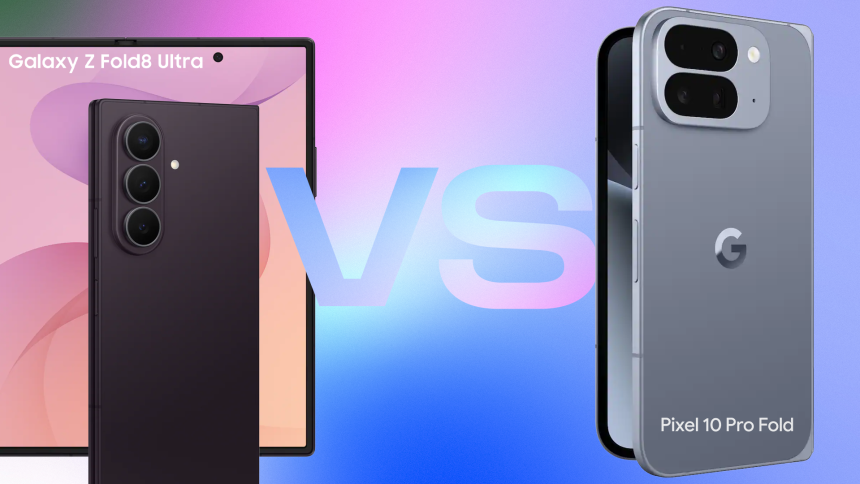
In contrast, the Z Fold 8 Ultra retains the traditional, taller book-style form factor that power users have come to expect. This puts it in direct competition with premium devices like the Pixel 10 Pro Fold.
Market data indicates that the foldable segment is growing, with global shipments expected to reach over 25 million units by the end of 2025. As manufacturers compete for the high-end consumer, pricing remains a critical battleground. For context, the Pixel 10 Pro Fold currently enters the market at a premium price point of $1,799 for the base 256GB configuration, setting a high bar for the features and build quality expected from Samsung’s Ultra model.