


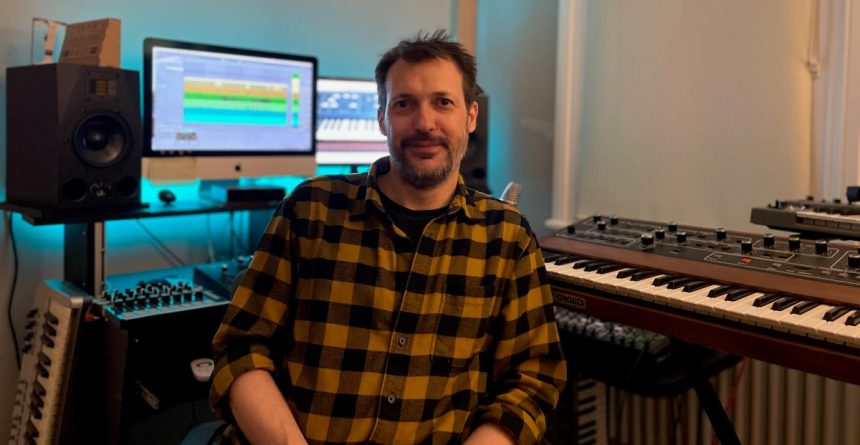
The Sonic Archivist: Oli Freke’s Journey Through Music Technology
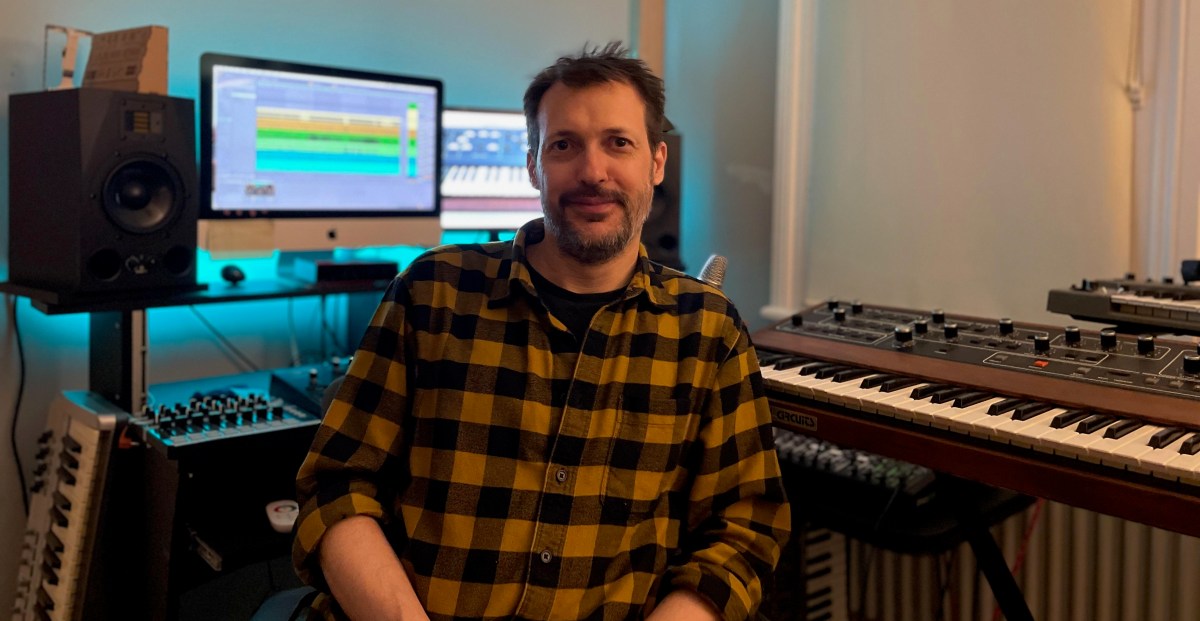
Oli Freke has established himself as a prominent voice in music journalism and production, contributing expert analysis to industry-leading publications such as Mixmag, The Quietus, and Sound on Sound. His body of work is remarkably diverse, ranging from mathematical investigations into the melodic potential of the Western 12-tone scale to technical breakdowns of modern effects plug-ins. Beyond his journalism, Freke authored a definitive text documenting the evolution of the synthesizer, capturing the pivotal shift from the warm, unpredictable nature of analog circuitry to the precision of digital synthesis between 1963 and 1995.
Celebrating Percussive History: The Beat Gems Project
Freke’s latest endeavor is Beat Gems, a visually stunning retrospective on the drum machine, published by the renowned house Bjooks. Much like previous entries in the Bjooks catalog, this volume serves as both a historical archive and a practical manual. It bridges the gap between the legendary, genre-defining hardware of the past-such as the iconic Roland TR-808-and the experimental, high-performance machines of today, including the visceral, industrial-leaning Erica Synths’ Pērkons.
The drum machine market has seen a massive resurgence; recent industry data suggests that the global electronic musical instrument market is expected to grow at a CAGR of over 5% through 2030, driven largely by the renewed interest in tactile, hardware-based rhythm production.
The Digital Foundation: Essential Software
When asked about his essential digital toolkit, Freke emphasizes the importance of a streamlined workflow. For him, the primary installation on any new workstation is Ableton Live. Reflecting on the rapid advancement of music technology, he notes the stark contrast between today’s limitless processing power and his early days of production.
“When I first started, I was working on an Atari ST 520,” Freke recalls. “It was a struggle just to manage basic MIDI sequencing. Today, the feature set of modern DAWs is truly staggering.” This evolution highlights how far the industry has come-from the rigid, hardware-limited constraints of the 1980s to the fluid, software-integrated environments that define modern electronic music production.