




Beyond Heatstroke: The Hidden Risk of Pet Sunburn
While most pet owners are hyper-aware of the life-threatening risks of heatstroke during a summer heatwave, many overlook a more subtle but equally painful danger: solar radiation. It is a common misconception that a thick coat of fur acts as an impenetrable shield against UV rays. In truth, our animal companions are just as susceptible to skin damage as humans, and failing to take precautions can lead to significant discomfort.
Identifying High-Risk Pets
Not all animals face the same level of risk. Your pet’s vulnerability is largely determined by their coat density and skin pigmentation. Animals with white or light-colored fur, as well as those with pale, pink skin, are at the highest risk because they lack sufficient melanin-the pigment responsible for natural UV filtration.
Breeds with sparse hair or hairless varieties, such as the Sphynx cat or the Xoloitzcuintle (Mexican Hairless dog), are particularly exposed. Furthermore, pets that spend the majority of their time outdoors are constantly battling cumulative UV exposure, which can lead to chronic skin issues.
Common Vulnerable Areas
Sunburn doesn’t always manifest across the entire body; it often targets specific, sensitive zones where fur is thin or skin is exposed.
- Feline Ears: The delicate, thin skin on the tips of a cat’s ears is a frequent site for painful burns.
- Equine Muzzles: Horses with white or pink-pigmented noses are highly prone to blistering and irritation.
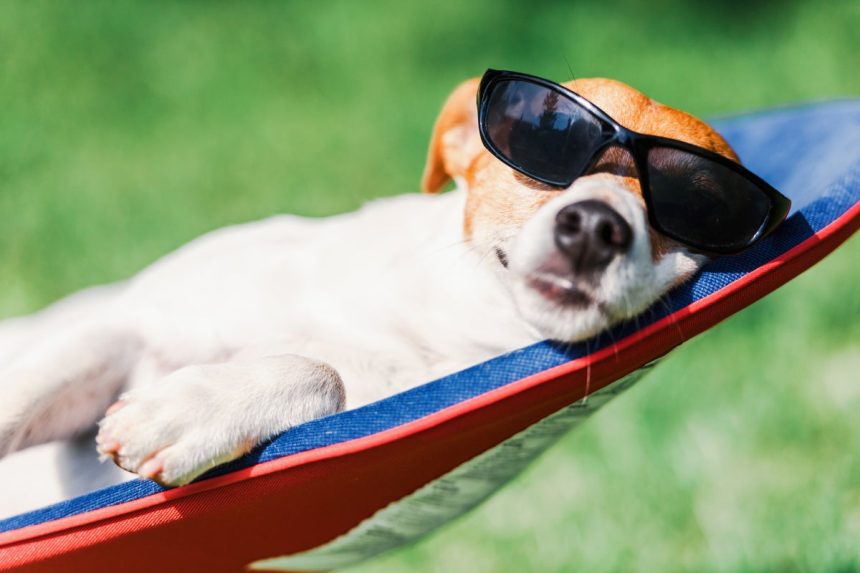
- Canine Noses and Bellies: Dogs often expose their underbellies while lounging in the grass, and their noses are constantly catching rays. Even unconventional areas, such as the groin, can suffer severe burns if a pet spends extended periods sunbathing on their back.
Why You Shouldn’t Ignore the Sun
According to recent veterinary dermatological reports, skin cancer in pets-specifically squamous cell carcinoma-is frequently linked to chronic sun exposure. Even on overcast days, UV radiation can penetrate cloud cover, meaning your pet can sustain damage without the sun feeling “hot” to the touch.
Just as you would apply sunscreen to your own skin, it is vital to provide shade, limit outdoor activity during peak UV hours (typically 10 a.m. to 4 p.m.), and consult your veterinarian about pet-safe sun protection products. Recognizing that sunburn is a legitimate medical concern is the first step in keeping your companion safe and healthy throughout the warmer months.