




# Ditch the Protein Powder: Elevate Your Smoothies with Whole Food Nutrition
While protein powders are a convenient staple in many kitchens, they often come packed with artificial sweeteners, thickeners, and processed fillers. If you are looking to clean up your diet without sacrificing your post-workout recovery or satiety, it is time to look toward your pantry and produce drawer. Integrating nutrient-dense whole foods into your blender not only boosts your protein intake but also provides a complex profile of fiber, healthy fats, and essential micronutrients that powders simply cannot replicate.
## The Case for Whole Food Protein Sources
Relying on isolated protein supplements can sometimes lead to digestive discomfort or a lack of dietary variety. By shifting your focus to whole foods, you gain the “entourage effect”-where vitamins, minerals, and antioxidants work synergistically to improve absorption and overall health. According to recent nutritional research, diets rich in whole-food proteins are linked to better long-term metabolic health compared to those reliant on highly processed supplements.
## Top Whole Food Additions for Your Blender
### 1. Greek Yogurt and Skyr
These fermented dairy powerhouses are excellent for creating a creamy texture while providing a significant protein punch. A single cup of plain Greek yogurt can offer upwards of 20 grams of protein. Beyond the macros, you are getting a dose of probiotics, which are vital for gut health-a factor often overlooked in standard protein shakes.
### 2. Hemp, Chia, and Flax Seeds
These tiny seeds are nutritional heavyweights. Hemp hearts, in particular, are a complete protein, meaning they contain all nine essential amino acids your body cannot produce on its own. Adding two tablespoons of hemp seeds to your morning blend adds roughly 10 grams of protein along with a healthy dose of Omega-3 fatty acids, which help reduce systemic inflammation.
### 3. Silken Tofu
It might sound unconventional, but silken tofu is a game-changer for smoothie texture. It is virtually flavorless, meaning it will take on the taste of your berries or nut butters while adding a silky, milkshake-like consistency. It is a fantastic plant-based protein source that is low in calories but high in satiety, making it perfect for those looking to manage their weight.
### 4. Nut Butters and Seeds
Almond, peanut, and cashew butters are not just for toast. They provide a dense source of protein and heart-healthy monounsaturated fats. For those with nut allergies, sunflower seed butter offers a similar protein profile and a rich, earthy flavor that pairs beautifully with bananas and cocoa powder.
## Optimizing Your Smoothie Strategy
To ensure your smoothie keeps you full until your next meal, aim for a balance of protein, fiber, and healthy fats. For example, combining a base of Greek yogurt with a handful of chia seeds and a scoop of almond butter creates a sustained energy release, preventing the mid-morning blood sugar crash often associated with fruit-heavy smoothies.
By swapping out processed powders for these natural alternatives, you are not just drinking a beverage; you are consuming a complete, functional meal designed to fuel your body efficiently.
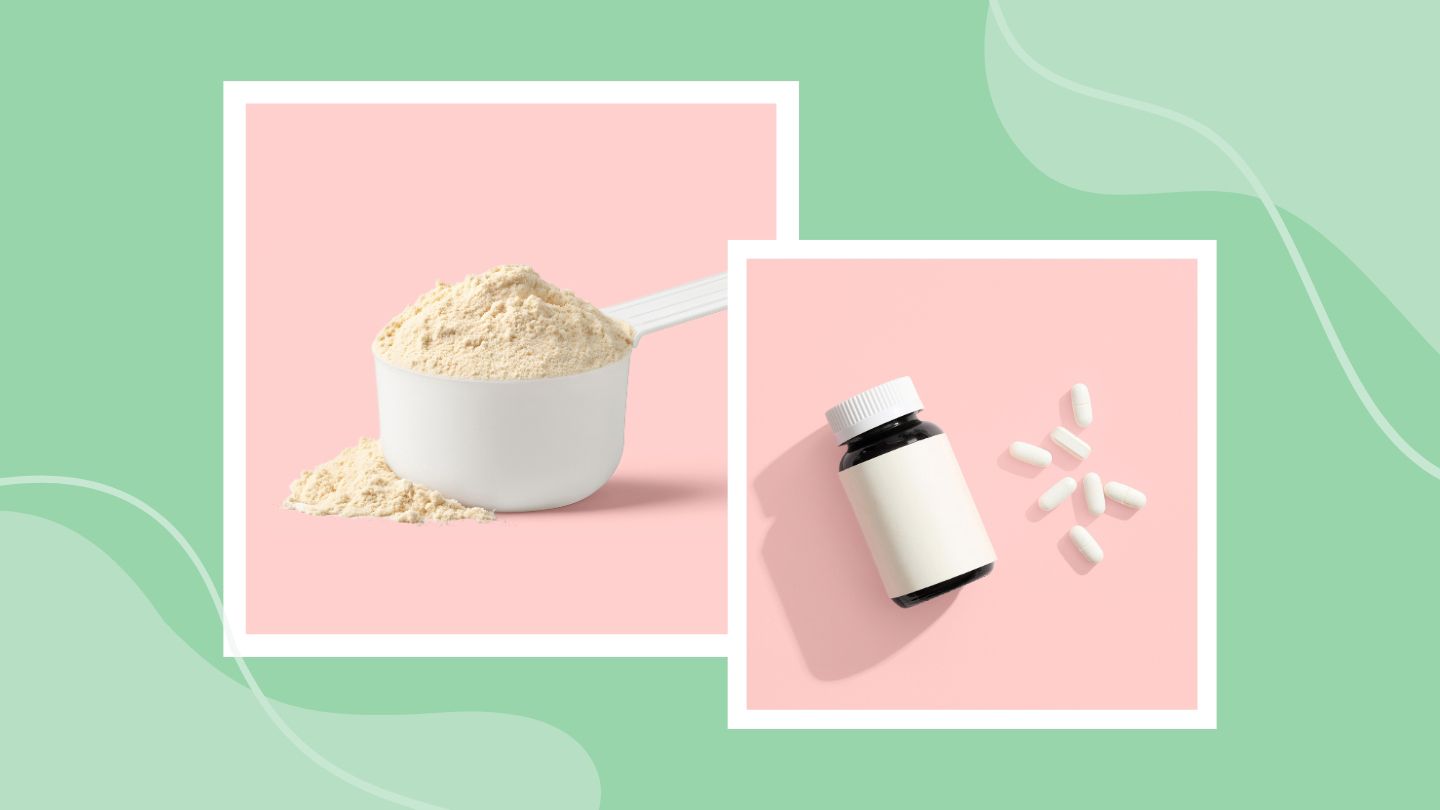


Swap the powders for these nutrient-dense whole foods. » More Info >>>