


20th Century Studios
The Failed Digital Evolution of Cinematic Terror
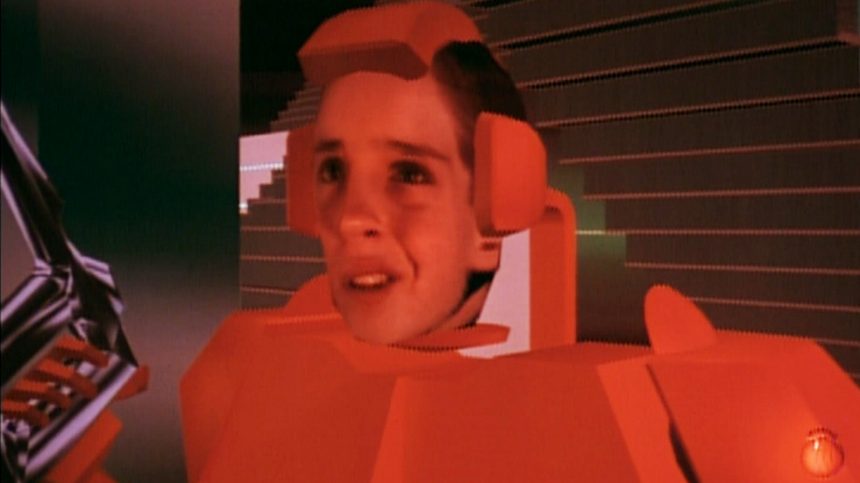
The 1993 techno-thriller Ghost in the Machine attempted to modernize the concept of inescapable, ambient dread. Its premise-a murderous psychopath whose psyche migrates into the electrical grid to wreak havoc through household appliances-was pitched by producers as a high-tech reimagining of Alfred Hitchcock’s The Birds. While Hitchcock’s masterpiece utilized nature as an unstoppable, omnipresent threat, Ghost in the Machine sought to turn the burgeoning digital landscape into a similar predator. Unfortunately, the public failed to connect with this vision, and the film largely vanished from the cultural consciousness.
Rachel Talalay’s Post-Nightmare Career Pivot
The project was helmed by Rachel Talalay, who had previously made a significant splash with her 1991 directorial debut, Freddy’s Dead: The Final Nightmare. That installment of the iconic slasher series proved to be a financial triumph, pulling in $34.8 million against a modest $11 million production cost. Given the commercial success of the franchise, Talalay anticipated a swift transition into high-budget action cinema.
Reflecting on that period in a 2016 interview with Entertainment Weekly, Talalay noted that her predecessors in the Nightmare on Elm Street director’s chair had successfully leveraged their horror credentials to secure major action blockbusters. However, her own trajectory took a different turn. Instead of the massive studio tentpole she had envisioned, she found herself directing Ghost in the Machine. Rather than serving as a springboard to the A-list action genre, the film became a cautionary tale about the risks of experimental sci-fi concepts that fail to resonate with the zeitgeist.