



### The End of the Road for Volvo’s LiDAR Ambitions
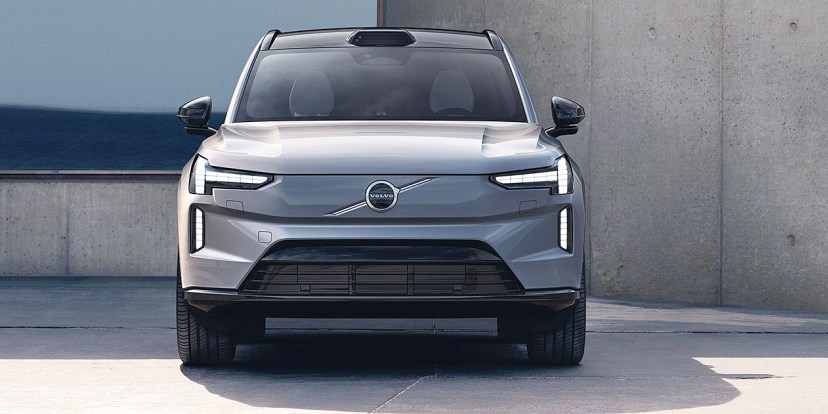
Take a moment to examine the roof of a recent Volvo EX90, and you’ll notice a distinct, protruding housing perched above the windshield. For years, Volvo marketed this feature as the pinnacle of automotive safety-a sophisticated LiDAR sensor designed to usher in a new era of autonomous driving. However, as we navigate through 2026, that once-promising piece of hardware has become a symbol of shifting industry priorities and abandoned technological roadmaps.
### A Shift in Strategy: Why the Vision Changed
While Volvo’s commitment to passenger safety remains industry-leading, their ambitious LiDAR experiment has effectively reached a dead end. The automaker has officially severed ties with Luminar, the technology firm previously tasked with supplying the laser-based vision systems for the EX90 and its sedan counterparts.
This pivot reflects a broader trend in the EV sector. While early projections suggested that high-cost laser sensors would become standard equipment by mid-decade, the reality of manufacturing costs and the rapid advancement of camera-based AI processing have forced a rethink. Industry data now suggests that many manufacturers are prioritizing software-defined vehicle architectures over expensive, hardware-heavy sensor suites that often struggle to integrate seamlessly into consumer-grade production models.
### What This Means for Owners
The decision to move away from LiDAR isn’t just a corporate footnote; it has direct implications for those who invested in these vehicles expecting future-proof technology. Volvo is now navigating the logistical challenge of managing these expectations, including the implementation of refund programs for customers who paid a premium for hardware that will no longer be supported or utilized as originally intended.
As the automotive landscape evolves, this transition serves as a reminder that even the most “future-proof” features can become obsolete before they ever truly hit their stride.