





Digital Trends may earn a commission when you buy through links on our site. Why trust us?
Beyond Vision: How Apple Plans to Pivot Smart Glasses Toward Fitness
While Apple has faced significant delays in bringing its highly anticipated smart glasses to market, the wait may be strategic. Rather than rushing to release a device that risks triggering the same privacy backlash that plagued early competitors, the tech giant appears to be refining its value proposition. Instead of simply being a wearable display, Apple is positioning its future eyewear as a sophisticated health and wellness powerhouse.
The Shift Toward Biometric Integration
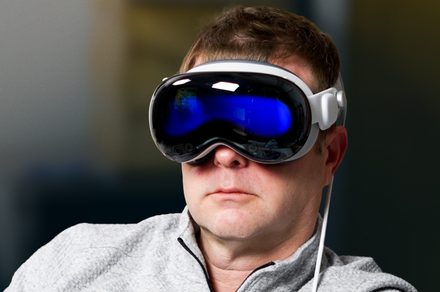
Recent insights from Bloomberg suggest that Apple is pivoting its development roadmap for both its upcoming glasses and the Vision headset line. The goal is to transform these devices into comprehensive fitness companions. By leveraging advanced sensor arrays and high-fidelity cameras, these wearables could move beyond simple augmented reality to provide real-time biomechanical feedback, posture correction, and deep-dive workout analytics.
This evolution makes sense in the current market climate. According to recent industry data, the global wearable fitness technology market is projected to reach over $180 billion by 2030, as consumers increasingly demand more granular data than what a standard smartwatch can provide. By integrating spatial computing with health tracking, Apple could offer a “personal trainer in your field of view,” providing visual cues for form correction during weightlifting or real-time heart rate zones overlaid on your environment.
Recruiting for a Health-First Future
Evidence of this pivot is clearly visible in Apple’s recent hiring activity. The company’s Vision Products Group is actively seeking a strategic product design leader tasked with architecting the “future of health, well-being and fitness experiences” across its entire spatial computing ecosystem. The job description explicitly prioritizes candidates with a background in digital health innovation and sensor-based feature development, signaling that Apple is moving past the experimental phase of its headset hardware.
Redefining the Wearable Experience
While the original Vision Pro was marketed primarily as a spatial computer for media and productivity, it is becoming clear that Apple views health as the “killer app” for its future hardware. By focusing on fitness, Apple can differentiate itself from Meta’s Ray-Ban smart glasses, which currently prioritize social media integration and AI-assisted photography.
If Apple successfully implements these features, users could see their workout intensity, range of motion, and recovery metrics displayed seamlessly in their peripheral vision. This would represent a massive leap forward from the current generation of wearables, which often require users to glance at a wrist-worn screen, potentially disrupting their flow or form during intense physical activity.