




The Evolution of Residential Protection: Smart Security Systems Explained
Today’s home defense landscape has shifted dramatically from simple deadbolts to sophisticated, interconnected ecosystems. Modern security systems now function as comprehensive hubs, utilizing a network of intelligent sensors to monitor entry points and interior spaces with surgical precision.
While these platforms still provide the foundational pillars of safety-such as audible alarms, manual arming protocols, and professional emergency dispatch services-they have evolved to include cutting-edge capabilities. Current market leaders now integrate seamless smartphone management, biometric facial recognition, and geofencing, which automatically adjusts your home’s security posture based on your physical proximity. These advancements are particularly beneficial for those living in leased properties, as they offer traditional features tailored specifically for renters who cannot perform permanent structural modifications.
### Why Smart Integration Matters
The industry is seeing a massive surge in adoption; recent data suggests that the global smart home security market is expected to grow at a compound annual growth rate (CAGR) of over 15% through 2030. This growth is driven by the shift toward “DIY-first” setups, where homeowners act as their own installers, saving on labor costs while maintaining high-level protection.
### Top Recommendation: SimpliSafe
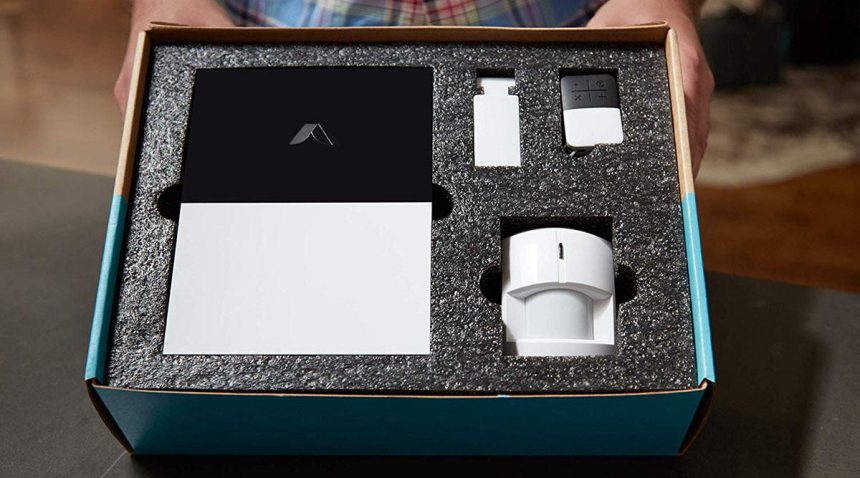
When evaluating current market offerings, SimpliSafe remains a standout for its balance