



# Cultivating a Heat-Proof Garden: Strategies for a Warming Climate
As summer temperatures soar, the traditional British garden faces an unprecedented challenge. The recurring struggle to keep greenery alive during extended absences-especially when heatwaves and dry spells become the new normal-has forced many enthusiasts to rethink their planting schemes. Rather than battling the elements, the smartest approach is to embrace flora that thrives when the mercury rises.
## Designing for Aridity: The Mediterranean Shift
Adapting to a changing climate doesn’t mean sacrificing aesthetic appeal. Julian Palphramand, head of plants at British Garden Centres, notes that the key to a low-maintenance, drought-proof landscape lies in selecting species naturally adapted to harsh, sun-drenched environments.
“If you want a garden that survives the summer, look toward Mediterranean varieties,” Palphramand explains. “Plants like lavender, cistus, and lamb’s ear (Stachys byzantine) are naturally equipped to handle intense sun. Furthermore, prioritize herbs like rosemary or any foliage that features a grey, fuzzy texture; these physical traits are evolutionary adaptations designed to reflect sunlight and retain moisture.”
For those looking for maximum resilience, Palphramand suggests incorporating succulents. Varieties such as echeverias, sempervivums, aeoniums, and aloes act as natural water reservoirs, making them ideal candidates for containers or rockeries that might go unwatered for days.
## Top Picks for Drought-Resistant Landscapes
While there are many options for the heat-conscious gardener, some plants stand out for their ability to combine structural beauty with extreme durability.
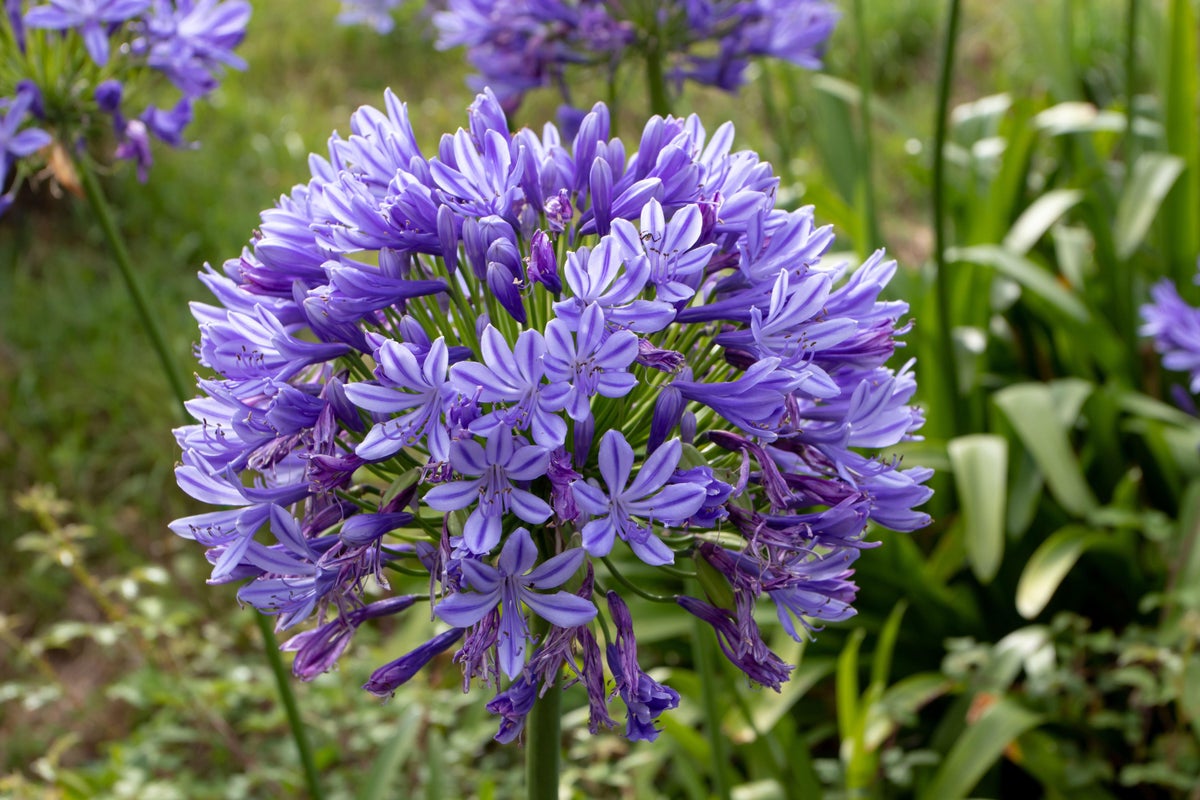
### 1. The African Lily (Agapanthus)
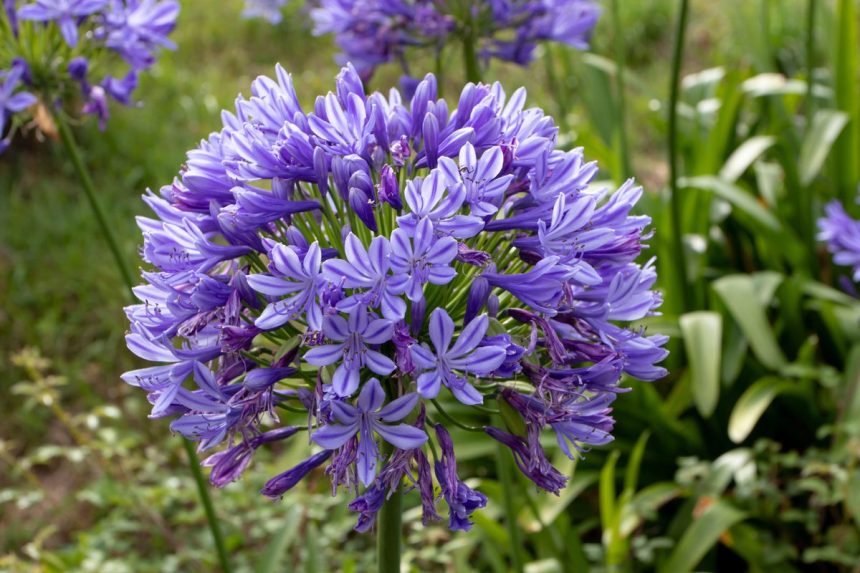
Originating from South African landscapes, the Agapanthus is a standout perennial for the modern garden. Known for its striking, drumstick-shaped blooms-which range from deep blues to soft whites and pinks-it is a architectural marvel.
“The Agapanthus is a sun-worshipper,” says Palphramand. “It possesses fleshy, moisture-storing leaves and actually performs best when it isn’t sitting in damp, cold soil. In fact, these plants prefer a drier root zone, making them perfect for gardeners who want a high-impact display that doesn’t require constant irrigation.”
By shifting your focus toward these hardy, sun-loving species, you can ensure your garden remains a vibrant sanctuary, even when the summer heat intensifies.