




A New Era for Displays: MSI and TCL CSOT Debut Inkjet-Printed OLED Technology
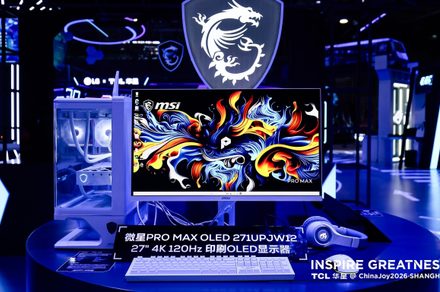
The landscape of high-end display technology is undergoing a transformative shift. MSI, in a strategic partnership with TCL CSOT, has officially introduced the MSI PRO MAX OLED 271UPJW12, marking the debut of the world’s first 27-inch 4K 120Hz desktop monitor utilizing inkjet-printed (IJP) OLED technology. This launch signals a transition for IJP OLEDs from experimental laboratory concepts to tangible, high-performance hardware for professionals and enthusiasts.
Redefining OLED Manufacturing
At the heart of the MSI PRO MAX OLED 271UPJW12 lies a sophisticated panel engineered by TCL CSOT. Unlike standard OLED production, which relies on complex vacuum evaporation processes and intricate metal shadow masks, this display is crafted by precisely depositing organic light-emitting compounds directly onto the substrate.
Think of this process like a high-precision industrial inkjet printer. By applying materials only where they are needed, manufacturers can significantly reduce waste. This efficiency is the “holy grail” of display production, as it promises to lower the barrier to entry for premium OLED screens, potentially making them more affordable and scalable for the mass market in the coming years.
The Shift Toward Commercial Viability
While the industry has long touted the potential of inkjet printing, it has historically struggled to move beyond the prototype stage. However, the tide is turning. Recent market data suggests that the display industry is aggressively pivoting toward this manufacturing method to combat the high costs associated with traditional OLED fabrication.
The momentum is undeniable:
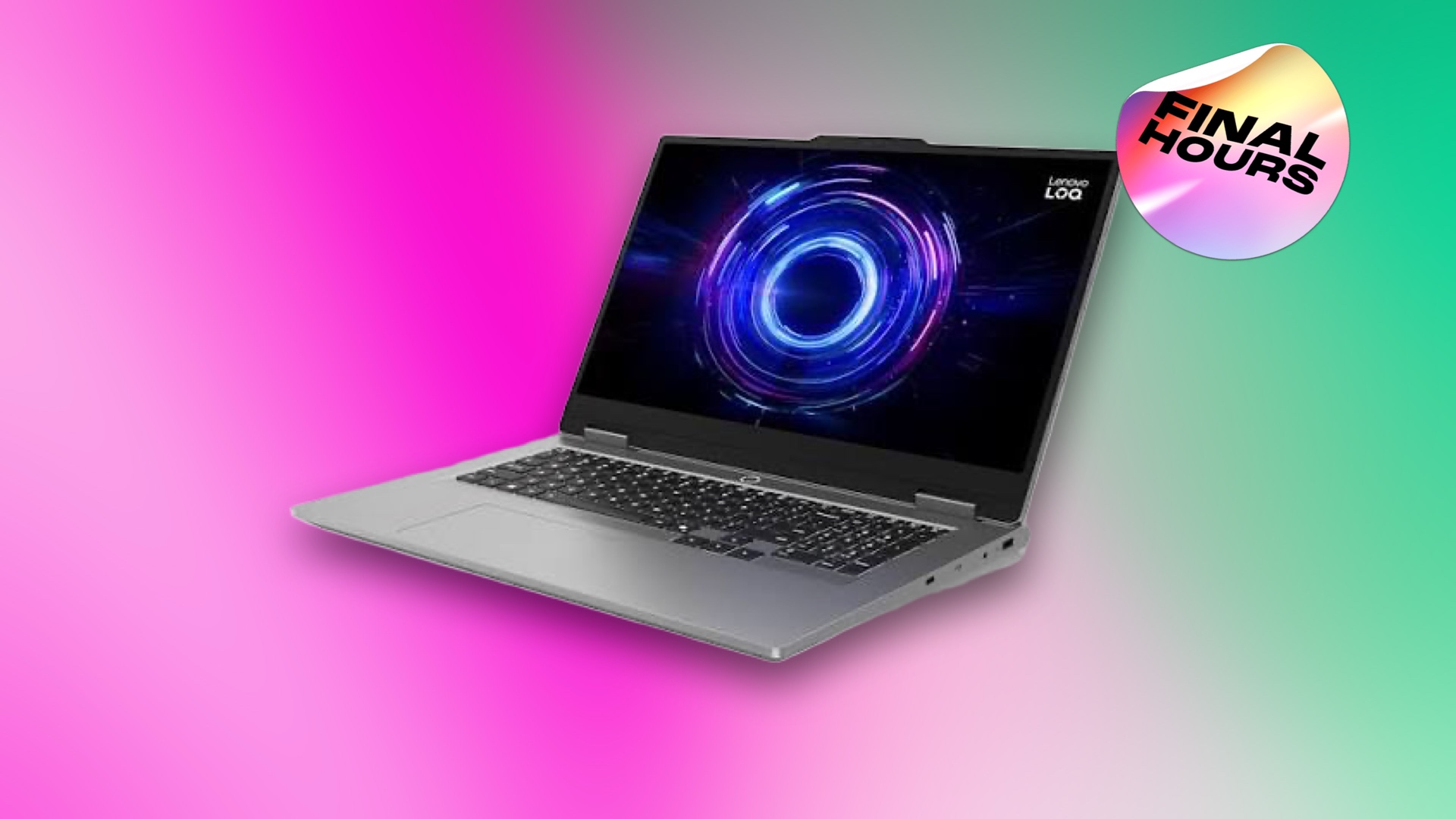
* Laptop Integration: Lenovo has already pushed boundaries by integrating a 240Hz inkjet-printed OLED panel into their latest high-end laptop, proving the technology can handle high refresh rates.
* Scaling Production: TCL CSOT has reportedly moved beyond R&D, initiating low-volume production runs of these 27-inch 4K panels, which serves as a precursor to broader availability.
By moving away from the resource-heavy vacuum deposition methods that have dominated the last decade, MSI and TCL CSOT are setting a new standard. As production yields improve, we can expect to see this technology migrate from niche professional monitors to a wider array of consumer electronics, ultimately driving down prices while maintaining the superior contrast and color accuracy that OLED is famous for.